Pharaoh Hound
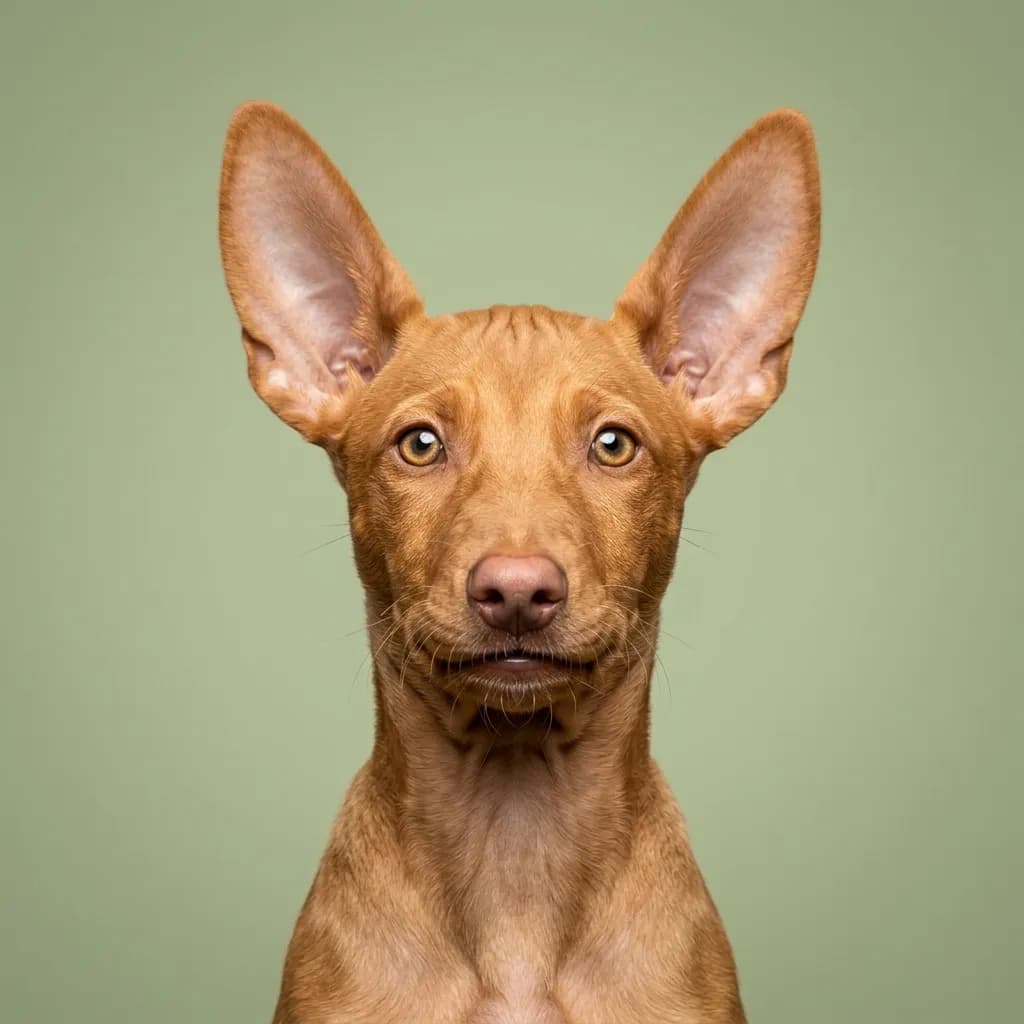
One of the most ancient breeds still in existence, and the only one known to literally blush — their nose and ears flush rose-red when they're excited, which is oddly endearing. Athletic and built for speed, they need room to run and a securely fenced yard, because their sighthound instincts don't come with an off switch. Gentle and loving at home, but small animals in the house are a non-starter.
Free weekly training plan, specific to your Pharaoh Hound’s age. Exactly what to focus on this week.
Get your free training planLiving with a Pharaoh Hound
The Pharaoh Hound isn’t actually ancient Egypt’s royal pet, despite the name and temple-carved looks. This breed was refined in Malta for rabbit hunting, where they’d sprint across rocky terrain, flush out prey, and signal their find by flushing red in the ears and face, like a natural highlight reel. They’re medium-sized, lean, and built for speed, standing 21 to 25 inches and weighing 45 to 55 pounds.
Don’t let the noble expression fool you. At home, they’re goofy, deeply affectionate, and will follow you from room to room like a velcro dog in athlete’s clothing. You’ll need to keep up.
These dogs hit energy level 4 out of 5 and thrive on daily runs, long hikes, or lure coursing. A fenced yard is non-negotiable. They’re sighthounds with a strong prey drive, so squirrels, rabbits, or even a fluttering leaf can trigger a full sprint.
Training is where they shine, smart and eager to please, with a 4/5 trainability score. But don’t expect recall reliability in open areas. Once they lock onto movement, it’s game over.
Grooming is easy. Short coat, moderate shedding, a weekly brush, and that’s it. But their affection?
Off the charts. 5 out of 5. They bond fiercely with their people and will lean on you like a warm, wiggling teenager.
Good with kids? Conditionally. They’re not nippy, but their zoomies are sudden and full force, probably not ideal for homes with toddlers.
Health-wise, they’re generally solid for 12 to 14 years, but watch for hip dysplasia, eye issues, and a known sensitivity to anesthesia. Always inform your vet you have a sighthound. Hypothyroidism pops up too, so annual blood work is smart.
They cost between $1,500 and $6,500, mostly due to rarity and ethical breeding demands. You’re not just buying a dog, you’re joining a niche community. Best for active families, dog sport fans, or experienced sighthound owners in warm climates.
Not for apartment dwellers without serious exercise plans, cold weather regions without coats, or anyone hoping to let their dog off-leash at the park. Here’s the real talk: people call them “catlike,” but that’s misleading. They’re more like emotional support athletes.
They want to cuddle after they’ve burned 500 calories. If you can match their heart, you’ll have a loyal, radiant companion who blushes when excited. And honestly, that’s kind of magical.
14 traits, at a glance.
Every breed on PuppyBase is rated across the 14 trait dimensions the American Kennel Club publishes — from trainability to drooling level. The higher the score, the better the fit for that trait.
What to expect day-to-day
Things to screen for
- Patellar luxation
- Hip dysplasia
- Anesthesia sensitivity
- Hypothyroidism
- Eye conditions
See a full price breakdown — first-year costs, lifetime estimate, breeder vs. adoption.
Full price guideSimilar breeds
Browse all 200+


Common questions
How long do Pharaoh Hounds live?
Pharaoh Hounds typically live between 12 and 14 years, which is a solid lifespan for a dog of their size. They tend to stay active and healthy well into their later years with proper care.
How much does a Pharaoh Hound puppy cost?
A Pharaoh Hound puppy usually costs between $1,800 and $4,000, with most reputable breeders pricing around $2,500. The high cost reflects their rarity, breeding standards, and health testing requirements.
How much do Pharaoh Hounds shed?
Pharaoh Hounds shed moderately year-round, with no heavy seasonal blowouts. Weekly brushing is usually enough to keep loose hair under control.
What colors do Pharaoh Hounds come in?
Pharaoh Hounds come in tan with white markings on the tail tip, chest, toes, and sometimes a blaze on the face. That's it—no other colors are accepted by the breed standard.
How big do Pharaoh Hounds get?
Pharaoh Hounds stand 21 to 25 inches tall and weigh between 45 and 55 pounds. They're lean, athletic dogs built more for speed than bulk.
Are Pharaoh Hounds smart?
Yes, Pharaoh Hounds are intelligent and quick learners, especially when it comes to problem-solving and tracking. They can be independent thinkers, so training needs to be consistent and engaging.
Are Pharaoh Hounds hypoallergenic?
No, Pharaoh Hounds are not hypoallergenic. They have a short coat and shed moderately, so they’re not a good fit for people with allergies.
Are Pharaoh Hounds aggressive?
No, Pharaoh Hounds are not aggressive. They’re generally friendly and noble in demeanor, though they can be aloof with strangers. They don’t have guarding instincts and rarely show hostility.
What health problems are common in Pharaoh Hounds?
Common health issues include hip dysplasia, eye conditions, hypothyroidism, patellar luxation, and a known sensitivity to anesthesia. Responsible breeders perform screening tests to minimize these risks.
Do Pharaoh Hounds bark a lot?
Pharaoh Hounds bark moderately—not constantly, but they’ll vocalize to alert you or when excited. They’re not silent, but they’re not nuisance barkers either.
Are Pharaoh Hounds easy to train?
They’re moderately easy to train because they’re smart and willing, but their sighthound independence means they won’t obey blindly. Positive reinforcement and patience work best.
Are Pharaoh Hounds good family dogs?
Yes, they’re affectionate with their families and do well with respectful older children. But their high prey drive makes them a poor match for homes with small pets.
Are Pharaoh Hounds good with cats?
Generally, no. Their strong prey drive means most Pharaoh Hounds will chase cats and other small animals. Early socialization helps, but it’s risky to assume they’ll coexist peacefully.
Can Pharaoh Hounds live in apartments?
They can if given intense daily exercise, but it’s a tight fit. These dogs need space to sprint and a secure yard; apartments without easy outdoor access aren’t ideal.
Are Pharaoh Hounds good hunting dogs?
Absolutely—they were bred to hunt rabbits in Malta using sight, speed, and agility. Their instincts are strong and still very much intact, even in the family setting.
Do Pharaoh Hounds blush?
Yes, it’s one of their most unique traits. When excited or happy, their nose and ears flush a distinct rose-pink color. It’s completely normal and surprisingly charming.
Not sure which breed fits your life?
Answer five questions about your home, your schedule, and your tolerance for shedding. We’ll match you to your top three breeds from over 200.