Training Your Shikoku
Rare breeds with varied backgrounds. Approach based on breed's country of origin and original purpose.
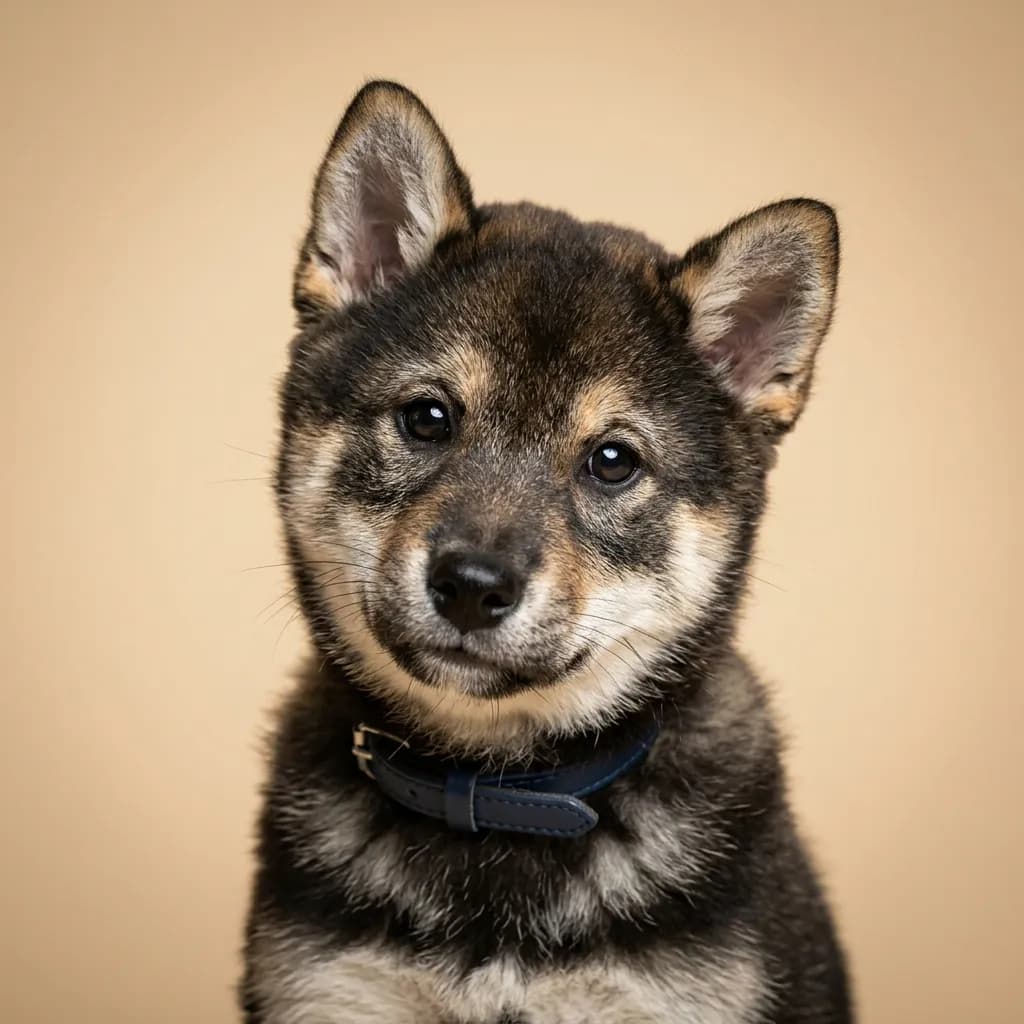
What Training a Shikoku Is Actually Like
Training a Shikoku is like trying to convince a very opinionated mountain cat to follow your lead. They’re alert and energetic, yes, but more importantly, they’re independent thinkers bred to make split-second decisions while chasing wild boar through rugged terrain. That means they don’t default to people-pleasing. Their Coren intelligence tier of 4 means they’ll learn a new command in about 25 to 40 repetitions—slower than a Border Collie, but not untrainable. The catch? Their first-command obedience is only around 50%, so consistency is non-negotiable. They respond best to clear, calm leadership, not force or yelling. If you’re looking for a dog who hangs on your every word, this isn’t the breed. But if you want a loyal, sharp partner who respects boundaries and thrives on mental challenges, a well-trained Shikoku is worth the effort.
Training Timeline
Start at 8 weeks with basic socialization—this breed’s window closes hard at 12 weeks, so expose them to kids, other dogs, traffic, and different surfaces early. By 16 weeks, begin leash manners and name recognition. Around 32 to 40 weeks, brace for the second fear period; avoid forcing interactions and stick to confidence-building games. Use high-value treats and keep sessions short. Adolescence kicks in at 5 months and lasts all the way to 14 months, so expect pushback on known commands around 7-8 months. This is when mental stimulation becomes critical—lack of it leads to destructive chewing or escape attempts. By 9 months, they’re mentally mature enough to handle more complex tasks, so ramp up off-leash work in secure areas. Stick to structured routines through 14 months, and you’ll see a reliable, attentive adult dog on the other side.
Breed-Specific Challenges
First, prey drive. These dogs were bred to chase fast-moving game in dense forests, so small animals—cats, squirrels, even rabbits on TV—trigger deep instincts. Off-leash freedom in open areas is risky unless you’ve invested heavily in recall training. Second, independence. Their job wasn’t to check in with you; it was to track and hold game solo. That means they’ll sometimes choose their own path over yours, especially in distracting environments. Third, wariness. Shikokus are naturally reserved with strangers, which is great for a watchdog but can tip into suspicion without proper socialization. Finally, escape artistry. Bred for rugged terrain, they’re agile, strong, and curious—expect fence-jumping, gate-lifting, and creative problem-solving if bored.
What Works Best
Use an adaptive mixed approach rooted in their Japanese hunting heritage: clear structure, minimal repetition, and high rewards for effort. Keep sessions under 10 minutes, 2-3 times daily—longer drills backfire. They respond best to food and play rewards, especially in early training, but shift to intermittent reinforcement as they mature to build reliability. Pacing matters: they need quick progression to stay engaged but will shut down if pushed too fast. Use positive reinforcement with firm boundaries—never harsh corrections. Mental stimulation is rated 4/5 for a reason: puzzle toys, nose work, and hiking are essential. Train on varied terrain to tap into their natural instincts. A bored Shikoku isn’t just stubborn; they’re a problem-solving machine with energy to burn.
Crate Training Your Shikoku
A Shikoku needs a 36-inch crate as an adult, but if you're starting with a puppy, get one with a divider so you can section it down to about 24 inches initially. These dogs hit around 45 pounds, but they fill out gradually so plan for that growth. Use the divider religiously until they’re close to full size, or they’ll have too much room and start using one end as a bathroom. That’s a habit you do not want to undo.
Shikokus are alert and enthusiastic, which means they don’t always settle into the crate quietly the first few days. They’re not stubborn like some Nordic breeds, but their 3/5 energy level and natural wariness mean they’ll test the boundaries. Expect some barking or pawing at the door in the beginning—this isn’t separation anxiety, just curiosity. They’re watching everything, and being confined feels limiting to such an alert dog.
They can handle 4 to 5 hours crated as adults if exercised first, but don’t push it. Puppies should only be crated for one hour per month of age. These dogs aren’t extreme chewers like labs, but they will mouth or dig at crate pads if bored. Use a thick, chew-resistant mat—avoid anything with loose threads or stuffing. Some Shikokus scratch at the floor near the crate like they’re trying to den, so place it on a tile or hardwood surface with a rug underneath to reduce the noise and discourage the behavior.
Use an adaptive mixed approach: mix positive reinforcement with clear consistency. Toss treats in, let them explore, but don’t force it. Feed meals in the crate with the door open at first, then gradually close it for short periods. Their trainability is average, but they respond well to routine. Crate training works best when it’s predictable—same spot, same cues, same schedule. They’ll adapt fast if you stay calm and don’t make a fuss.
Potty Training Your Shikoku
Shikokus are medium-sized dogs, averaging around 45 pounds, which gives them a decent bladder capacity compared to toy breeds, but don’t expect miracles from a young puppy. At 8 weeks, they can only hold it for about an hour; by 16 weeks, maybe 3-4 hours. That means frequent outdoor trips—every 2 hours during the day, plus after meals, naps, and play. Their size helps, but consistency is still non-negotiable.
Trainability is where Shikokus keep you honest. They’re ranked in Coren’s Tier 4 with a 3/5 on trainability, meaning they’re not stubborn in the extreme like some Nordic breeds, but they’re definitely independent thinkers. They’re alert and enthusiastic, yes, but that doesn’t always translate to eagerness to please. They’ll assess whether your request is worth their effort. That means potty training isn’t about dominance, it’s about making it worth their while—and doing it on a tight schedule.
Expect full house training to take 4-6 months, sometimes longer. A few will catch on by 5 months, but others might still have slip-ups past 8 months, especially if the routine changes. Crate training helps, because Shikokus naturally avoid soiling their den, but don’t over-crate—a 45-pound dog needs room and activity.
One challenge? Their energy and alertness make them easily distracted outside. Squirrels, birds, wind in the trees—they’ll forget why they’re out there. Keep potty trips on a short leash, quiet, and businesslike. Save play for after they’ve gone.
Rewards need to be immediate and high-value. Skip the kibble; use small bits of chicken or freeze-dried liver. Praise matters, but food seals the deal. And don’t repeat commands endlessly—they learn in 25-40 repetitions, so stay consistent with your cue word. They’ll get it, but on their own thoughtful timeline.
Leash Training Your Shikoku
Leash training a Shikoku is less about achieving perfect heel work and more about managing a smart, independent thinker who was literally bred to track game across rugged terrain. That instinct doesn’t vanish on a city sidewalk. You’re working with a dog who’s alert, enthusiastic, and built to cover ground—so expect him to pull when he catches a scent or spots movement. Their 3/5 energy level means they aren’t nonstop whirlwinds, but they’re always wired for action, and their prey drive is no joke. A squirrel at 50 yards might as well be a dinner bell.
Skip the standard collar. A front-clip harness is your best bet. These dogs are strong for their 45-pound frame and have a natural tendency to surge ahead when excited. A front-clip harness gives you more control without risking neck strain, especially since they were built to push through thick brush and uneven ground. A back-clip harness or collar alone won’t cut it long term.
Common leash problems? Pulling, sudden direction changes, and stopping to intensely sniff or stare at something you can’t even see. They’re not being stubborn—they’re assessing. Their breeding as mountain hunters means they’re wired to investigate, track, and move with purpose. They don’t weave like herders or pull like sled dogs, but they do commit to a direction once they lock on.
Realistic expectations matter. “Good” leash behavior for a Shikoku isn’t military precision. It’s being able to redirect their focus with consistency, getting loose-leash walking in low-distraction areas, and preventing lunging. Use an adaptive mixed approach: positive reinforcement for attention and check-ins, but don’t shy from clear corrections when they blow past you. They respond best to confident handling and varied methods—monotony kills progress. Train early, keep sessions short, and always respect their instincts while teaching them the rules of urban life.
“I just wish someone would tell me what to do and when to do it.”
Not generic puppy tips. Not a video course you’ll never finish. Just one email a week telling you exactly what to work on with your Shikoku, at the age they are right now. Nothing to sift through. Nothing to figure out. Just this week.
Get Started — It’s FreeTell us your breed and your puppy’s age. We’ll send you exactly what to work on this week.
Socializing Your Shikoku
Socializing a Shikoku isn’t just helpful—it’s non-negotiable. Their socialization window runs from weeks 3 to 12, and here’s the catch: it overlaps almost entirely with their first fear period, which hits between weeks 8 and 11. That means the puppy you bring home at 8 weeks is entering the most impressionable and sensitive phase of their development. Every new experience during this time gets filed away as either safe or threatening, and once it’s filed, it’s hard to change.
Shikokus were bred to hunt boar and deer in rugged, isolated mountain terrain, so they’re naturally independent and cautious around unfamiliar things. That instinct means they need way more exposure to city noises, traffic, bicycles, men with deep voices, hats, umbrellas, and other dogs—especially off-leash ones that act unpredictably. Without this, their alertness turns into wariness, and their enthusiasm becomes suspicion.
They’re not naturally dog-aggressive, but they’re not dog-obsessed either. Early, controlled off-leash play with calm, confident dogs helps prevent reactive behavior later. More importantly, they need repeated, positive exposure to strangers—especially children and people wearing costumes, because their hunter’s brain labels anything unusual as a potential threat.
Common mistakes? Letting their independence fool you into thinking they don’t need structure. Or waiting until they’re “older” to start socialization, missing that critical window. Some owners also confuse their aloofness with confidence, but quiet doesn’t mean secure.
Skip proper socialization, and by 9 months—when they’ve hit maturity—you’ll have a dog that’s reactive on leash, shuts down around guests, or bolts at the sight of a skateboard. That independence becomes isolation. Do it right, and you’ve got a sharp, confident partner who’s aware of his surroundings but trusts you to guide him.