Training Your Siberian Husky
Bred for jobs requiring strength, stamina, and decision-making. Responds to purposeful training with clear expectations. Needs to understand WHY.
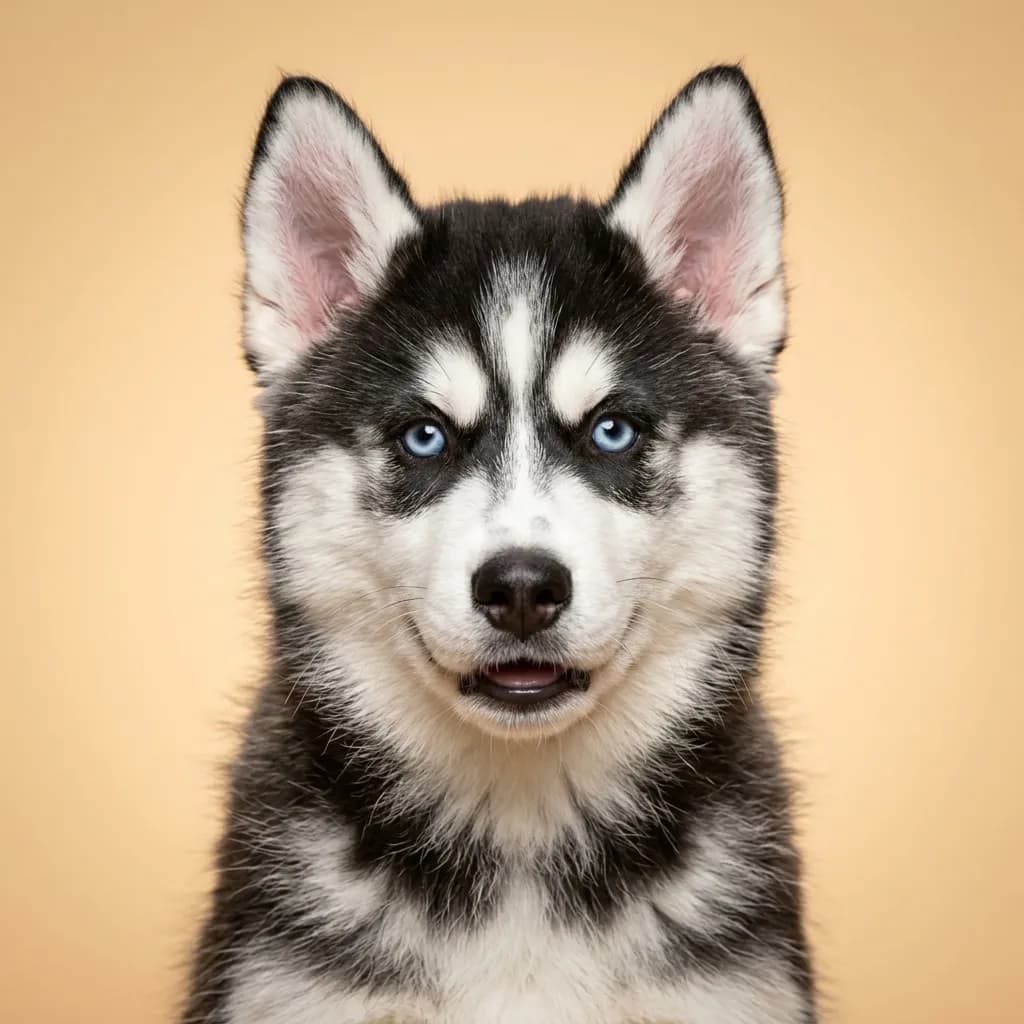
What Training a Siberian Husky Is Actually Like
Training a Siberian Husky isn’t about dominance or repetition drills until they submit. It’s about engagement. These dogs are smart enough to question everything, and stubborn enough to wait you out. They’re in the Working Group for a reason—they were built to make decisions 50 miles from home with zero human backup. That means they need a reason to obey. If your training lacks purpose, they’ll tune out. Huskies rank in Coren’s Tier 4 for working intelligence, meaning they learn a new command in 25 to 40 repetitions, and obey on the first try only about half the time. Combine that with maximum energy and high mental stimulation needs, and you’ve got a dog that will rewire your houseplants if you don’t give them a job. They’re not defiant; they’re bored. But when you tap into their drive—whether it’s pulling, running, or problem-solving—they light up. They want to work with you, not for you.
Training Timeline
Start at 8 weeks with socialization—playdates, new sounds, different surfaces. This window closes fast, by week 12. By month 3, begin basic commands with short, clear sessions. Week 32 to 40 brings the second fear period. Don’t push. Go slow with new experiences. If you force it, you’ll create long-term wariness. At 5 months, adolescence hits hard. Your sweet pup becomes a four-legged Houdini. Leash pulling, selective hearing, kitchen counter raids—expect it. This phase lasts until about 14 months. Focus on consistency, not correction. By 9 months, they’re mentally mature enough to build habits. That’s when structured training in dog sports like sledding, skijoring, or obedience trials starts to stick. Keep reinforcing until age 2, when full emotional maturity lands.
Breed-Specific Challenges
First, recall reliability. Huskies have a 5/5 energy rating and near-zero off-leash instinct. They were bred to roam. Even with training, a squirrel at 300 yards is an irresistible invitation. Second, separation anxiety. They’re loyal and pack-oriented. Leaving them alone for long stretches leads to howling, chewing, and escape attempts. Third, heat sensitivity. They’re not built for warm climates. Training in temps above 75°F risks overheating, so timing and location matter. Fourth, independence. Their job was to make decisions without human input, so they don’t default to looking at you for direction. You have to earn that attention.
What Works Best
Keep sessions under 10 minutes, 2-3 times daily, with clear structure and escalating challenge. These dogs thrive on purpose. Use food rewards, but pair them with task completion—let them feel the satisfaction of a job done. A tired Husky is not a trained Husky. Physical exercise alone isn’t enough. You need mental work. Puzzle feeders, scent games, structured runs—these build focus. Train in cold weather if possible. They perform best when cool. Use consistency, not force. Harsh corrections backfire. Instead, be predictable, patient, and always one step ahead of their next bad idea.
Crate Training Your Siberian Husky
A Siberian Husky needs a crate that fits their adult size—think 36 inches minimum—even as a puppy, because they hit around 48 pounds and have long, lean bodies. Use a divider. You’ll need it. Start with the crate sectioned to just big enough for the pup to turn around, lie down, and stand, then gradually open it up as they grow. Skipping the divider sets you up for potty training setbacks; Huskies won’t soil where they sleep, but only if the space is small enough to feel like a den.
Don’t expect this breed to settle easily. Their energy is relentless and their temperament is mischievous. Crating isn’t a timeout win for a Husky the way it might be for a Golden. They’ll test it. They’ll chew the pad, scratch at the crate walls, and howl like they’re being exiled. This isn’t defiance. It’s boredom. They need high-value tasks tied to the crate—like a stuffed Kong or a puzzle toy—to build positive association. Train crate entry as a task with a reward, not just confinement.
Huskies can handle 4 to 5 hours crated as adults, but only if they’ve had their 1 to 2 hours of intense exercise first. Without it, they’ll bark, dig, and possibly disassemble the crate. Puppies under 6 months shouldn’t be crated more than 2 to 3 hours at a stretch. Their separation tolerance is low; they’re pack animals and hate being ignored. If you work all day, this breed isn’t a solo pet. Crate them, yes, but supplement with dog walking or doggy daycare midday.
One quirk: they’re chewers. Use indestructible pads and metal bowls. And don’t rely on the crate as a long-term management tool. These dogs need purpose. Crate training works best when it’s part of a structured routine that includes work, not just rest.
Potty Training Your Siberian Husky
Siberian Huskies are medium-sized dogs with an average weight of about 48 pounds, which gives them a decent bladder capacity for their age. That said, don’t expect miracles. Puppies still need frequent potty breaks—every 2 to 3 hours during the day—because their systems are still developing. Even at that size, consistency matters more than waiting for maturity to solve the problem. Expect the full house-training process to take 4 to 6 months, and sometimes longer, especially if you’re not on a tight schedule.
Huskies are ranked in Coren’s Tier 4 for working intelligence, meaning they learn new commands in 25 to 40 repetitions. They’re not stubborn in the lazy sense; they’re mischievous and independent thinkers. They’ll weigh whether obeying is worth their effort. So while they’re loyal and outgoing, they’re not eager-to-please like a Labrador. This independence slows potty training. You can’t just assume they’ll catch on quickly because they’re smart. They’re smart in different ways—escape artists and problem solvers, not obedience robots.
One breed-specific challenge? Huskies love routine but also love deception. They’ll pretend to be focused on going outside, then sneak a pee behind the couch when you turn your back. They’re also easily distracted outdoors by smells, squirrels, or birds—anything novel. You have to keep potty trips short and purposeful. No dawdling.
Rewards need to be high-value and immediate. Kibble won’t cut it. Use small pieces of boiled chicken, cheese, or commercial treats with strong smell and taste. Praise matters, but food works faster with this breed. And timing is everything—reward within 5 seconds of them finishing outside, or they won’t connect the action to the treat. Crate training is non-negotiable. It’s not about punishment; it’s about managing their natural desire to keep their den clean. Stick to a strict schedule, stay patient, and remember: consistency beats correction every time with a Husky.
Leash Training Your Siberian Husky
Siberian Huskies are strong, smart, and built to move. At 48 pounds on average, they’re medium-sized but deceptively powerful, especially when motivated. A standard collar won’t cut it for leash training—you need a well-fitted front-clip harness. The Ruffwear Front Range or similar models give you control without risking tracheal damage, which is crucial because Huskies were literally bred to pull. That’s the core issue: their DNA says run and haul, not heel and pause. Expect pulling from day one, not out of defiance but instinct.
Their 5/5 energy level means leash training isn’t a weekend project. Short, frequent sessions work better than long drills, especially when paired with a task—Huskies respond best when they feel like they’re doing something meaningful. Use recall games or directional commands tied to movement rewards, like “Let’s go!” toward a favorite trail. Their mischievous streak and high prey drive mean distractions are constant. Squirrels, birds, even fluttering trash—they’re all targets. You’re not fighting disobedience, you’re redirecting deeply wired impulses.
Common issues include pulling ahead, sudden direction changes, and selective hearing when excitement spikes. They’re loyal and outgoing, so they’ll check in—but not always when you want them to. Realistic “good” leash behavior for a Husky isn’t perfect heeling. It’s a dog who glances back frequently, responds to recall 70% of the time with reinforcement, and walks beside you without dragging you. Loose-leash training is possible, but expect occasional surges. Consistency and patience are non-negotiable. Start early, keep it engaging, and accept that your Husky will never be the polite shadow some breeds are. They’re partners, not puppets, and their sled-pulling heritage means they’d rather lead the team than follow. Work with that, not against it.
“I just wish someone would tell me what to do and when to do it.”
Not generic puppy tips. Not a video course you’ll never finish. Just one email a week telling you exactly what to work on with your Siberian Husky, at the age they are right now. Nothing to sift through. Nothing to figure out. Just this week.
Get Started — It’s FreeTell us your breed and your puppy’s age. We’ll send you exactly what to work on this week.
Socializing Your Siberian Husky
Socializing a Siberian Husky isn’t just helpful—it’s non-negotiable. Their socialization window kicks in at three weeks and slams shut by twelve, but here’s the catch: that overlaps directly with their first fear period from eight to eleven weeks. That means the exact time you’re supposed to be introducing new experiences is when they’re most vulnerable to forming lasting fears. You’ve got to be proactive but not pushy. Flooding them with stimuli will backfire fast. Think controlled, positive exposures—carrying them into a busy coffee shop at seven weeks to hear chatter and clinking cups, not dragging them through a dog park at nine weeks.
Huskies are naturally outgoing, yes, but they’re also independent thinkers bred to work long hours in isolation with the Chukchi people. That independence can tip into wariness if they’re not exposed to a wide variety of humans, especially men with deep voices or beards, and children who move unpredictably. They need more exposure to strollers, skateboards, and loud seasonal things like fireworks or leaf blowers—anything that moves fast or makes sudden noise. Their sled-pulling history means they’re wired to notice motion, not trust it automatically.
A common mistake is assuming their friendliness with family means they’ll be fine with strangers. They might wag for you, but without early, consistent socialization, that mischievous streak turns into selective listening. They’ll ignore you when it matters. Skip proper socialization and by nine months—their maturity point—you’ll have a strong, 48-pound dog who makes his own rules. You won’t get aggression, usually, but you will get a husky who bolts after squirrels, ignores recall, and greets strangers on his terms, not yours. Early socialization doesn’t make them less husky. It makes them safe, manageable, and truly loyal in a world full of distractions.