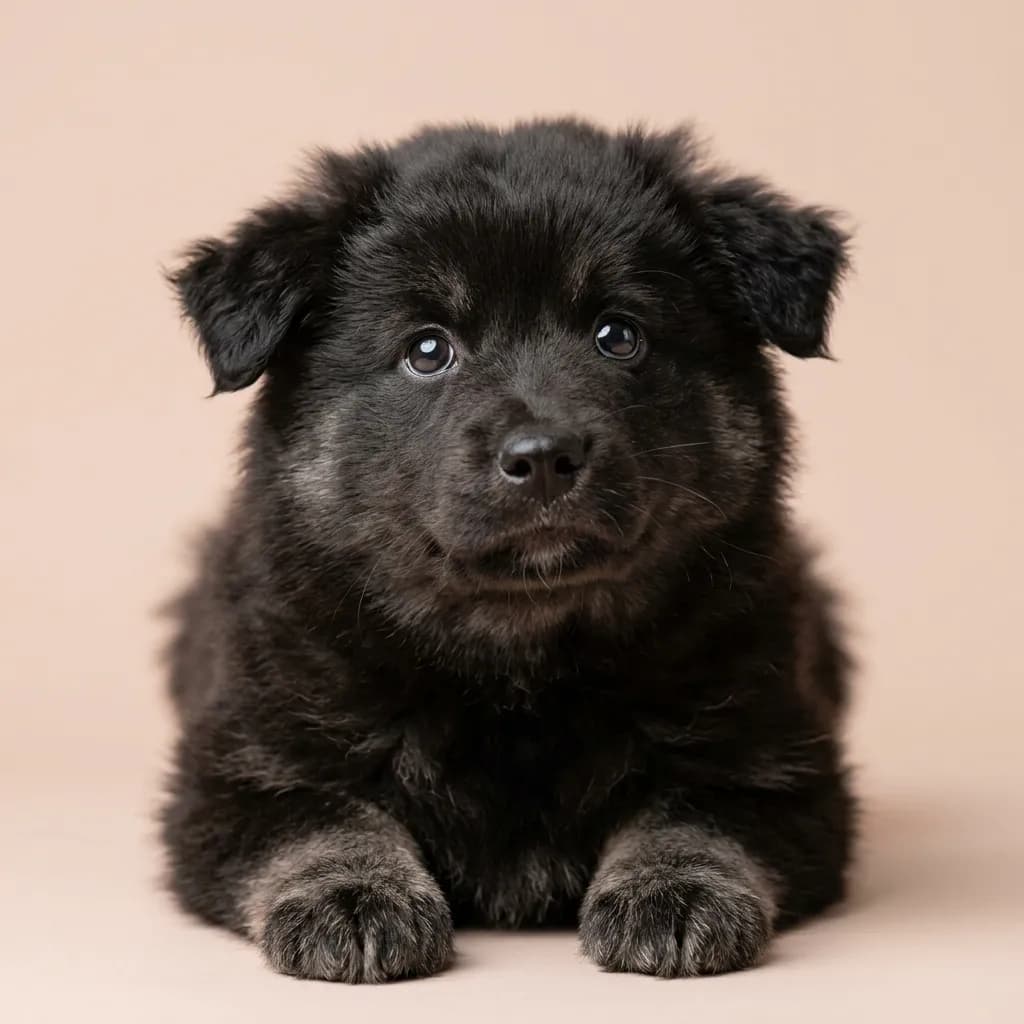
Cataracts
What It Is
Cataracts in dogs aren’t just cloudy eyes—they’re a serious vision issue where the lens of the eye becomes opaque, blocking light and impairing sight. Think of it like trying to see through a fogged-up window. While some cataracts develop slowly with age (senile cataracts), many are genetic and show up in younger dogs, sometimes as early as 6 months old. They’re different from nuclear sclerosis, a common age-related lens hardening that doesn’t usually affect vision much. Cataracts, though? They can lead to total blindness if left untreated. And here’s the kicker: they’re hereditary in over two dozen breeds, so if you're eyeing a high-risk breed, this isn’t something to brush off.
Symptoms to Watch For
You’ll want to keep an eye—pun intended—for subtle changes. Early signs include a bluish-gray cloudiness in the pupil area, especially noticeable in good lighting. Your dog might start bumping into furniture, hesitate on stairs, or seem confused in dim light. Some dogs develop red, squinty eyes if the cataract causes inflammation (called uveitis), which is painful and needs immediate vet attention. Don’t wait for full cloudiness—early detection makes a big difference in treatment success. If your dog’s eyes look like they’re filmed over or “milk-dipped,” that’s not normal aging. That’s a red flag.
Diagnosis
Diagnosis starts with a vet exam, but here’s the thing: your regular vet might refer you to a veterinary ophthalmologist. These specialists use tools like slit-lamp biomicroscopy and tonometry (to check eye pressure) to confirm cataracts and rule out glaucoma or retinal issues. They’ll also run an ERG (electroretinogram) before surgery to make sure the retina still works—because what’s the point of removing a cataract if the back of the eye can’t see? These tests run $200–$500, depending on your area. It’s not cheap, but skipping it risks surgery that won’t help your dog.
Treatment Options
Surgery is the only real fix for vision-restoring treatment, and it’s pretty advanced—think tiny ultrasound probes breaking up the lens, then replacing it with a synthetic one. Success rates are high (80–90% of dogs regain good vision), but it’s major surgery. Cost? Between $3,000 and $5,000 per eye, sometimes more in major cities. Post-op care is intense: multiple daily eye drops, an e-collar for weeks, and rechecks for months. Not every dog is a candidate—diabetes, glaucoma, or retinal detachment can rule it out. For non-surgical cases, vets may recommend anti-inflammatory drops to slow progression, but those won’t clear the cataract. Some dogs adapt well to blindness, especially if it’s gradual, but surgery can be life-changing for active dogs.
Prevention and Screening
Here’s where responsible breeding matters. The Canine Eye Registration Foundation (CERF) and OFA Eye Certification help screen breeding dogs. A certified ophthalmologist checks dogs annually, and only those with clear eyes should breed. If you’re getting a puppy from a high-risk breed, ask for proof of parental eye exams—don’t accept “they’ve never had issues” as an answer. For pet owners, regular vet checkups help catch early changes. Diabetic dogs need extra monitoring—nearly 80% develop cataracts within a year of diagnosis, often suddenly. Managing blood sugar helps, but doesn’t eliminate risk. Early intervention is key.
Breeds Most at Risk
Herding breeds dominate the high-risk list—10 of the 29 affected breeds are from this group, including Australian Shepherds, Belgian Malinois, and Entlebucher Mountain Dogs. Cocker Spaniels and Boston Terriers are also classic examples, along with Bichon Frises and Brussels Griffons in the Non-Sporting and Toy groups. The Finnish Lapphund and Chinook may be rare, but they’re not off the hook. If you’re choosing between breeds and lifestyle is a factor, consider this: a Malinois bred for agility work could be sidelined by vision loss at 3 years old. A Bichon’s cataract surgery might cost more than you paid for the puppy. It’s not scare-mongering—it’s realism. Ask breeders about eye health, not just temperament and coat color. And if you already have one of these breeds? Schedule that ophthalmologist visit. Your dog’s sight depends on it.
Breeds commonly affected
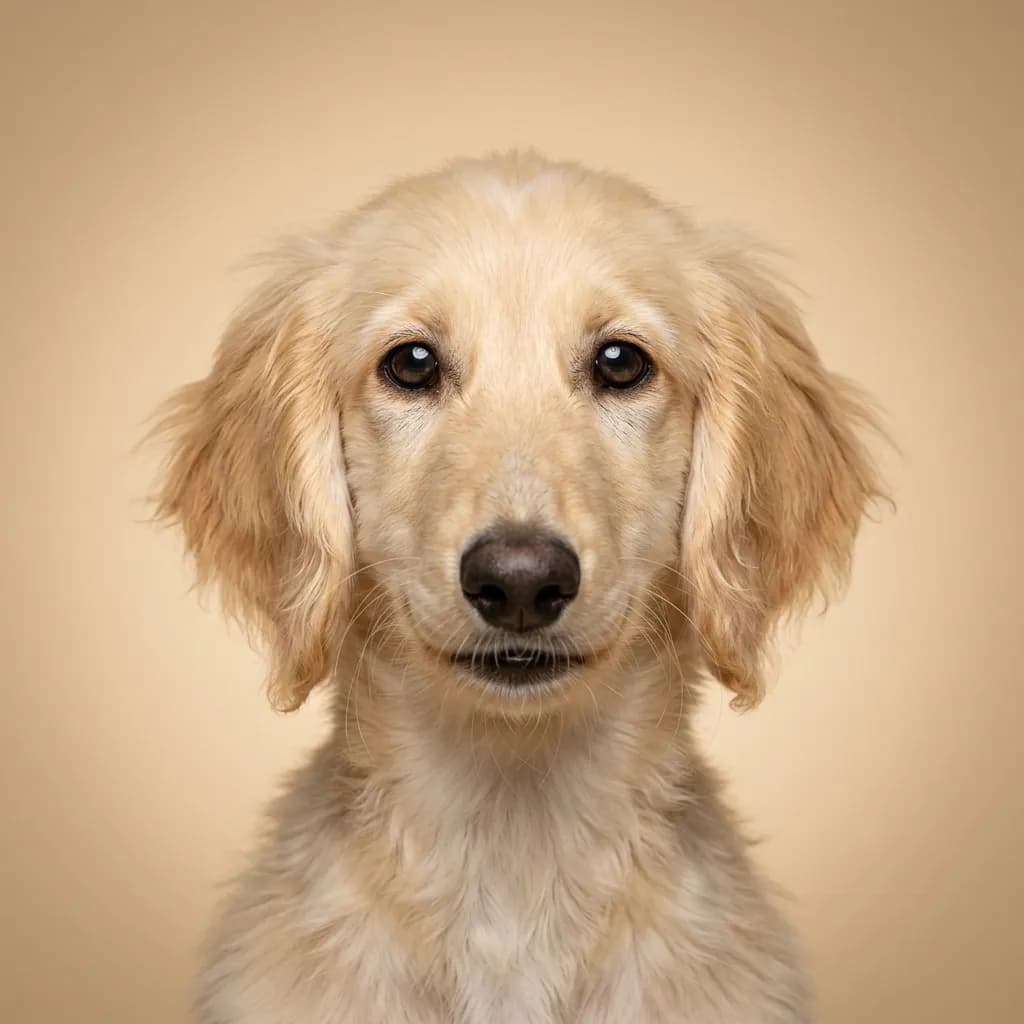
Afghan Hound
Hound Group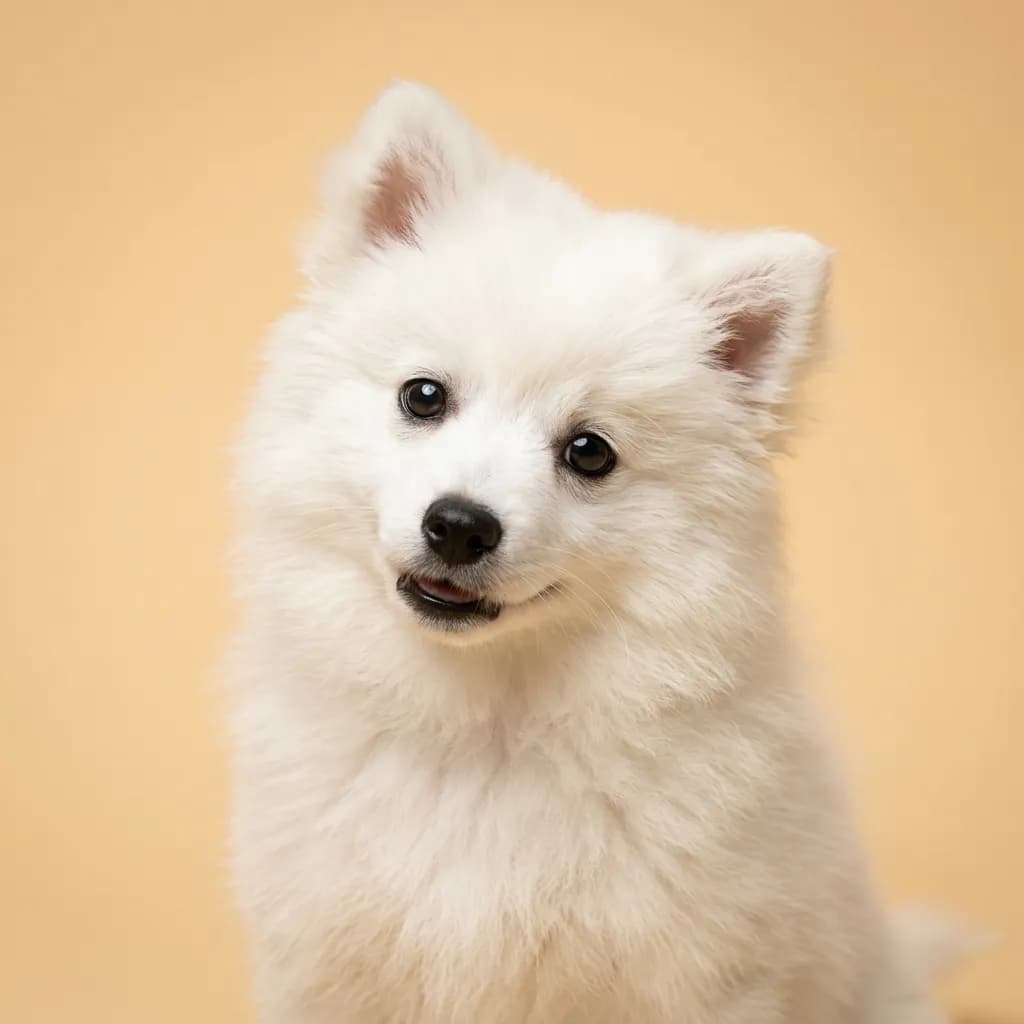
American Eskimo Dog
Non-Sporting Group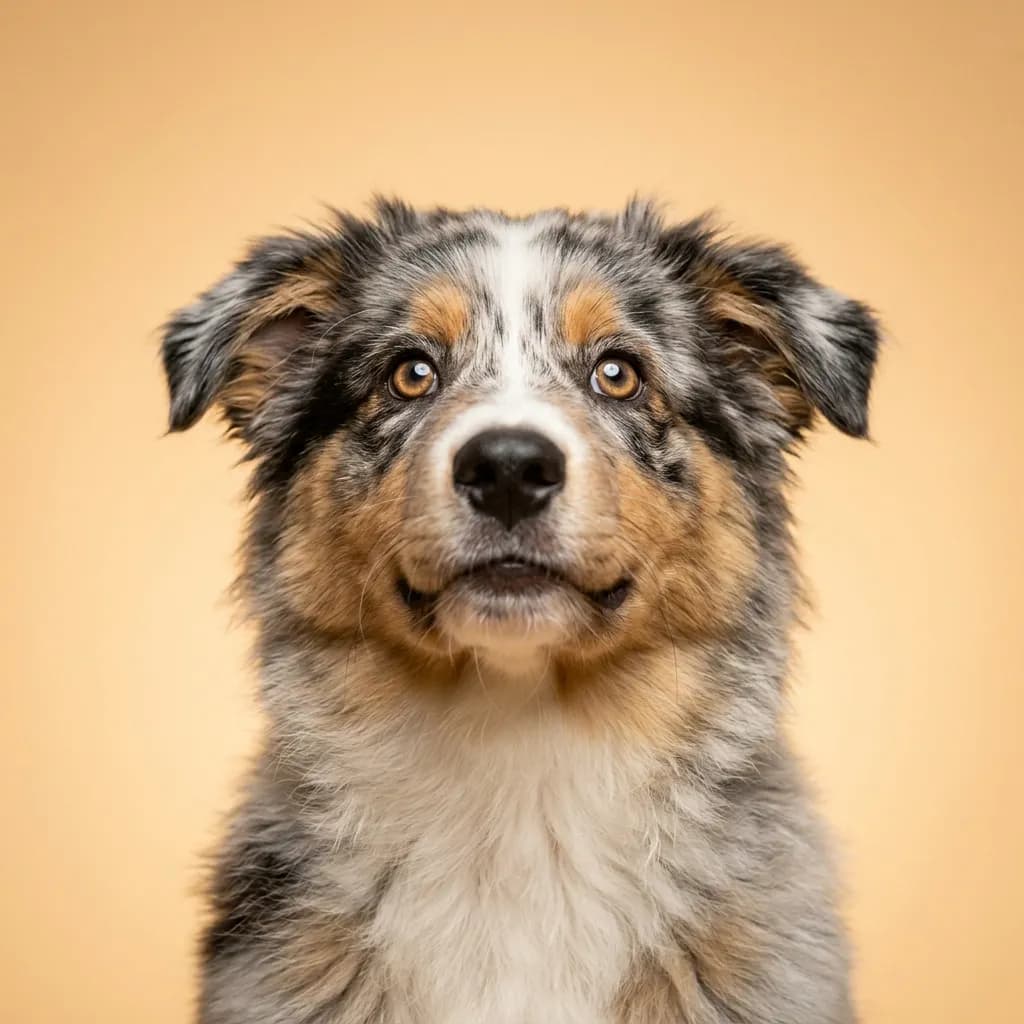
Australian Shepherd
Herding Group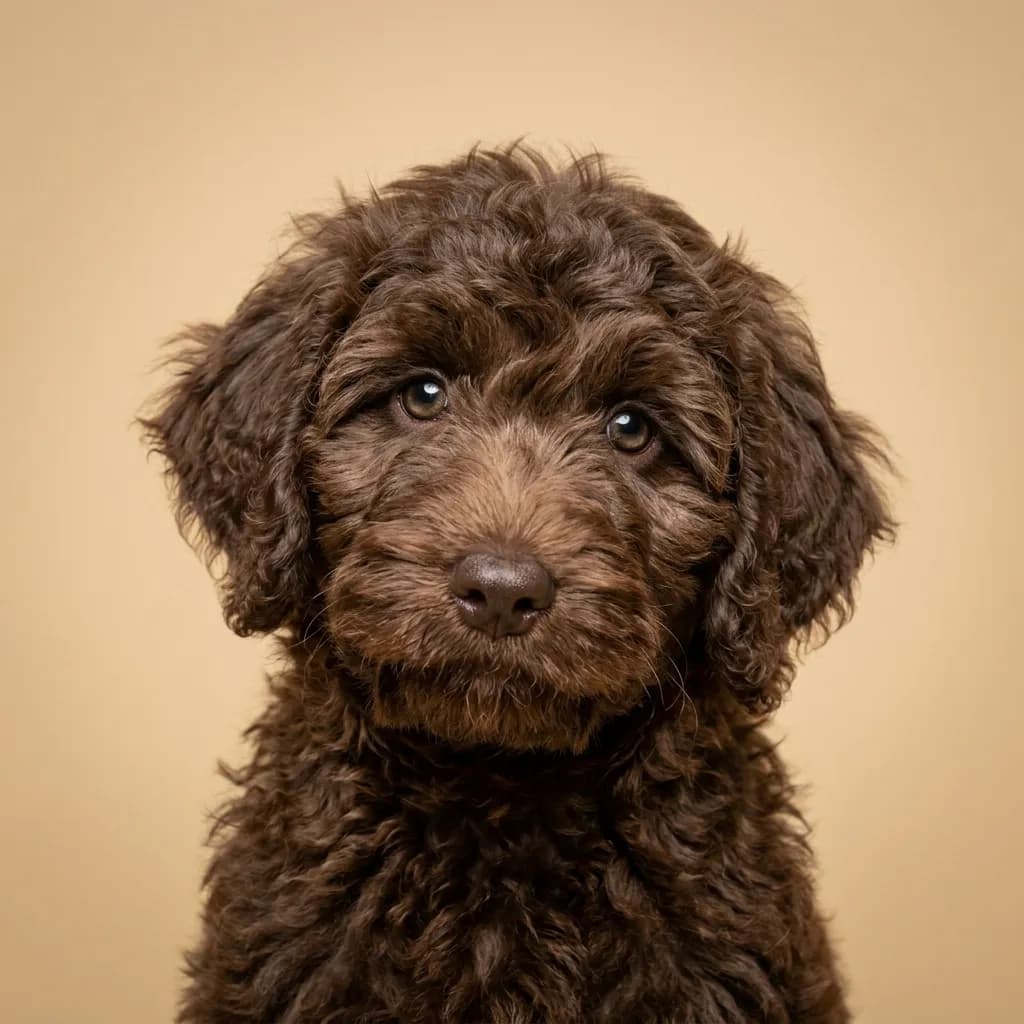
Barbet
Sporting Group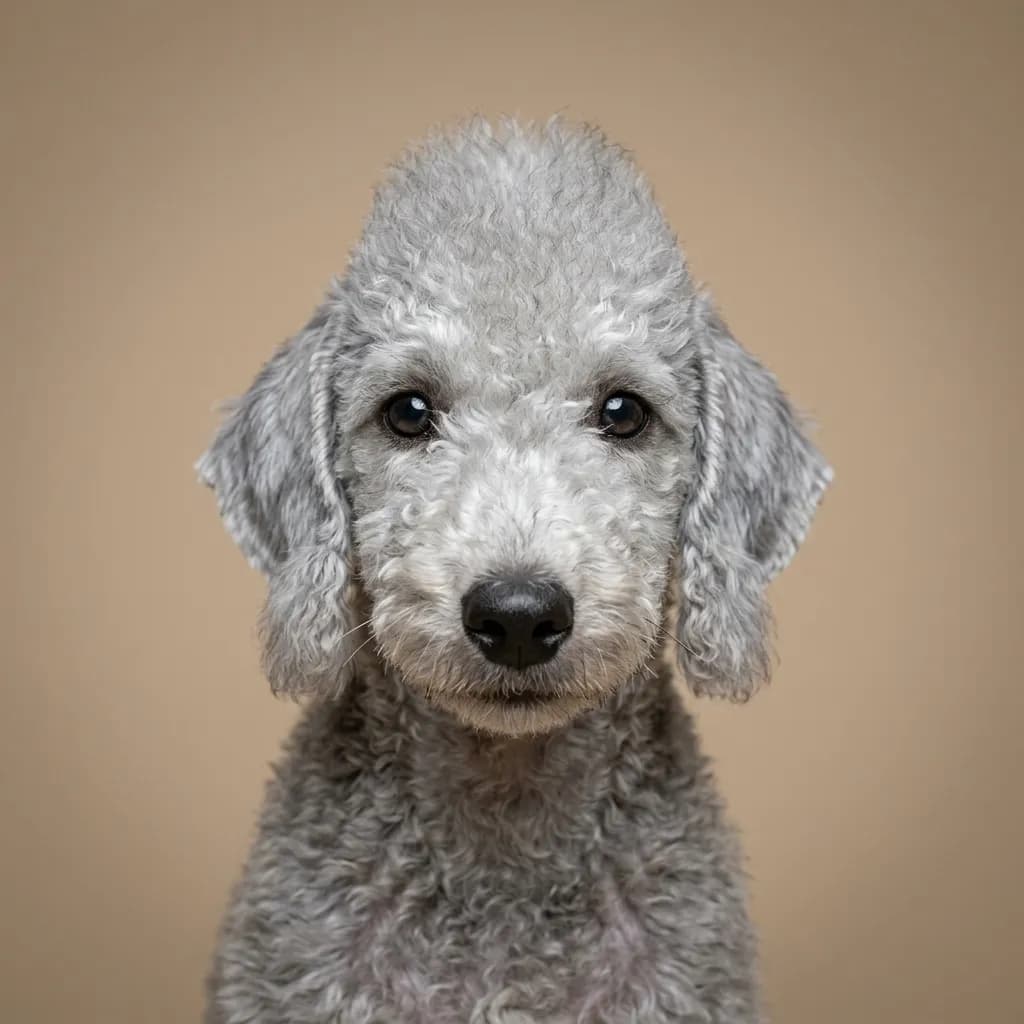
Bedlington Terrier
Terrier Group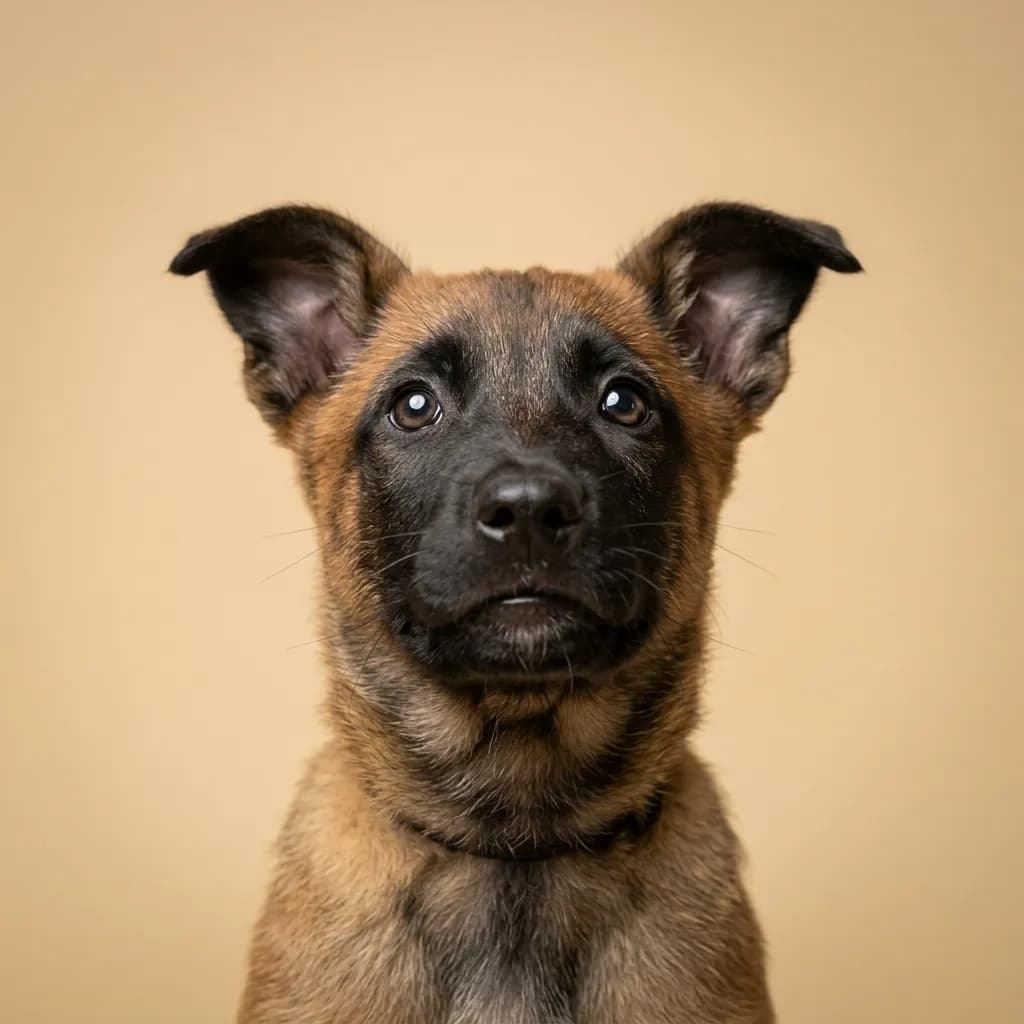
Belgian Malinois
Herding Group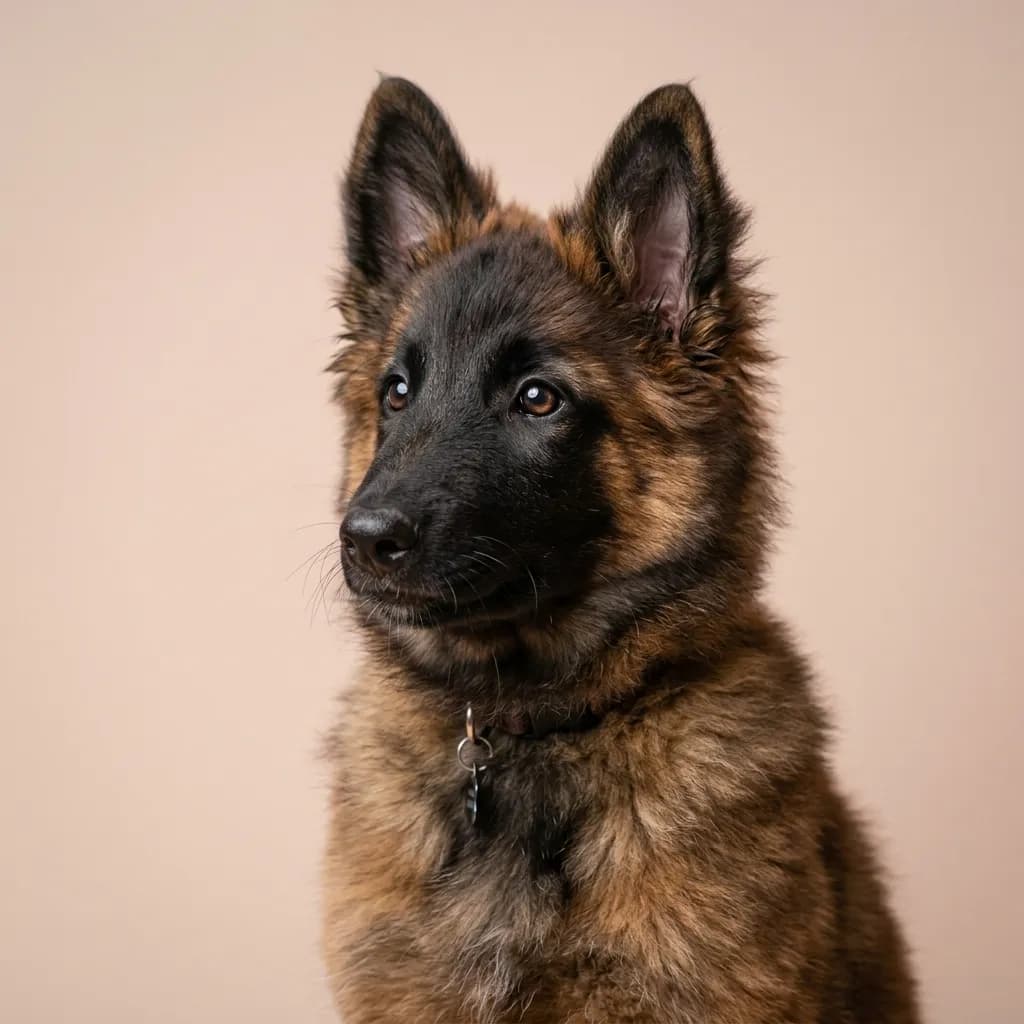
Belgian Tervuren
Herding Group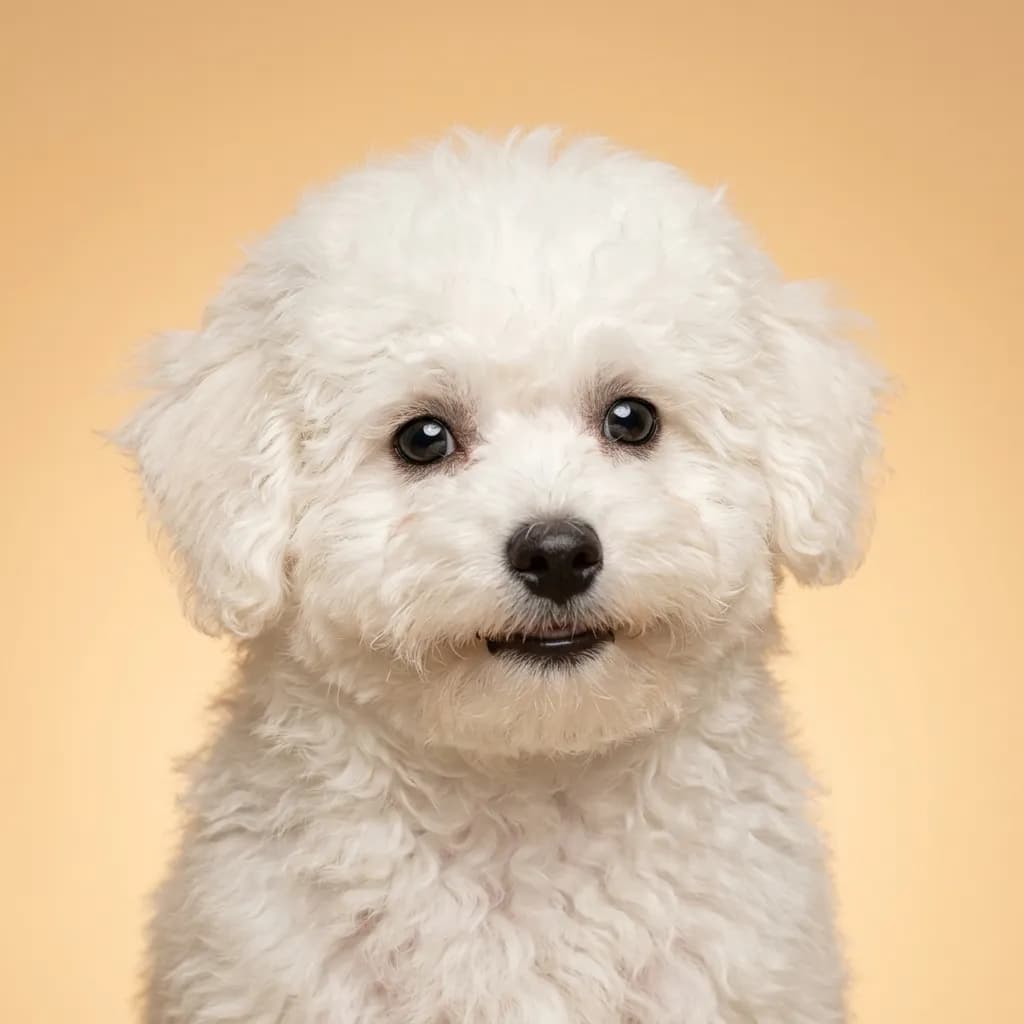
Bichon Frise
Non-Sporting Group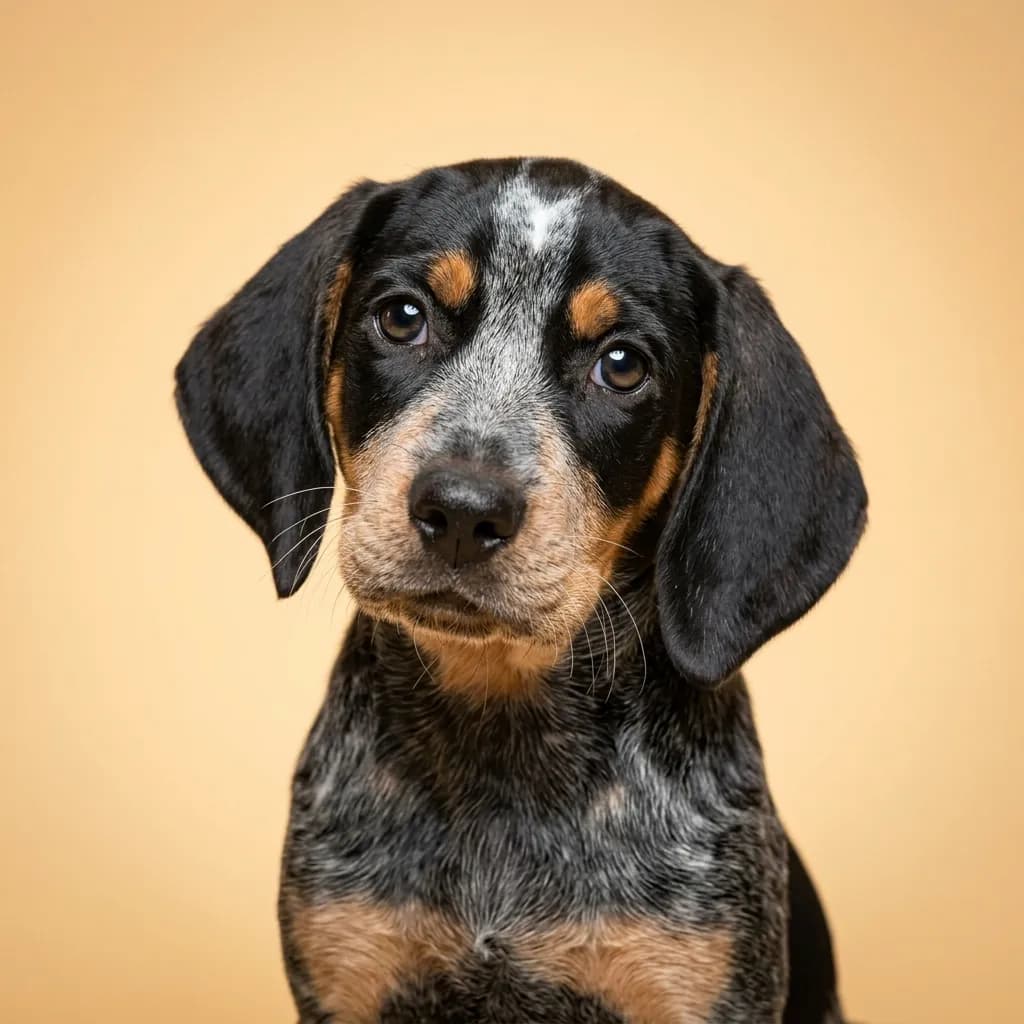
Bluetick Coonhound
Hound Group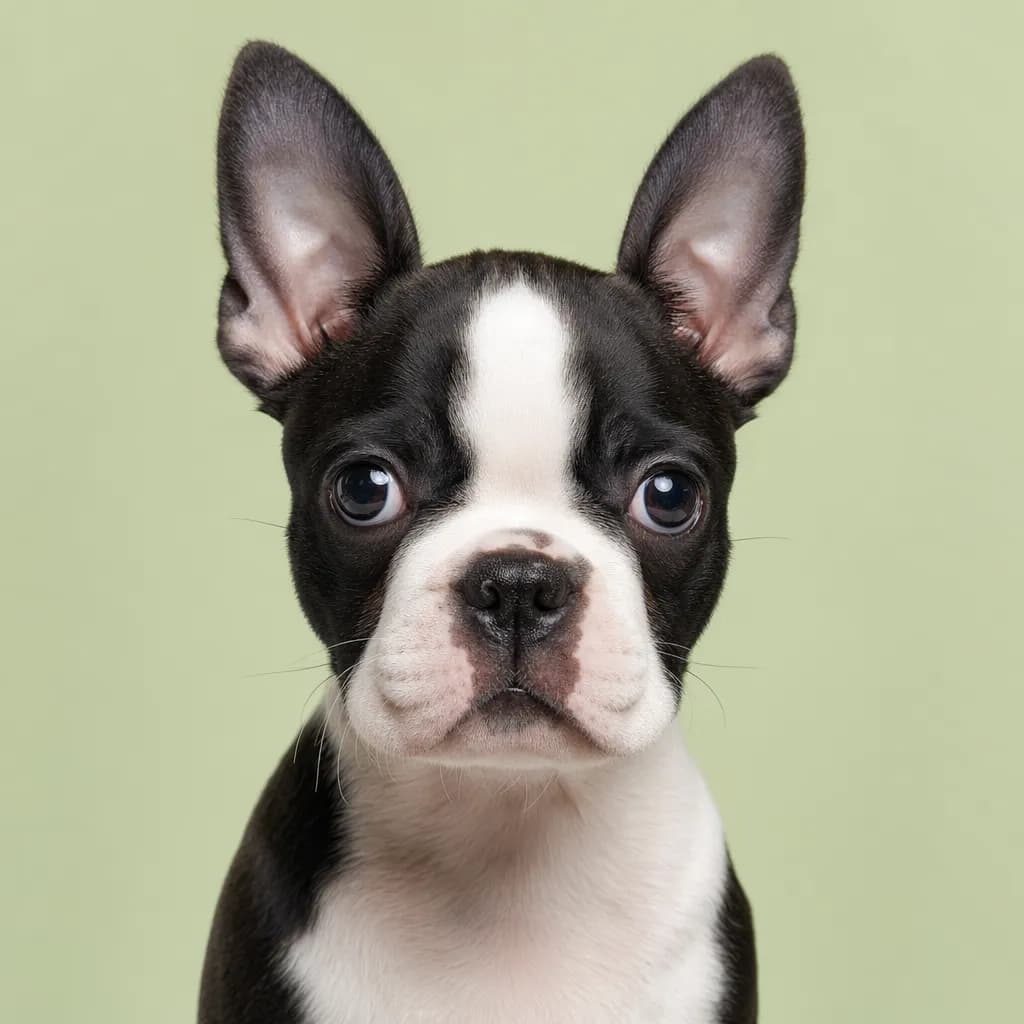
Boston Terrier
Non-Sporting Group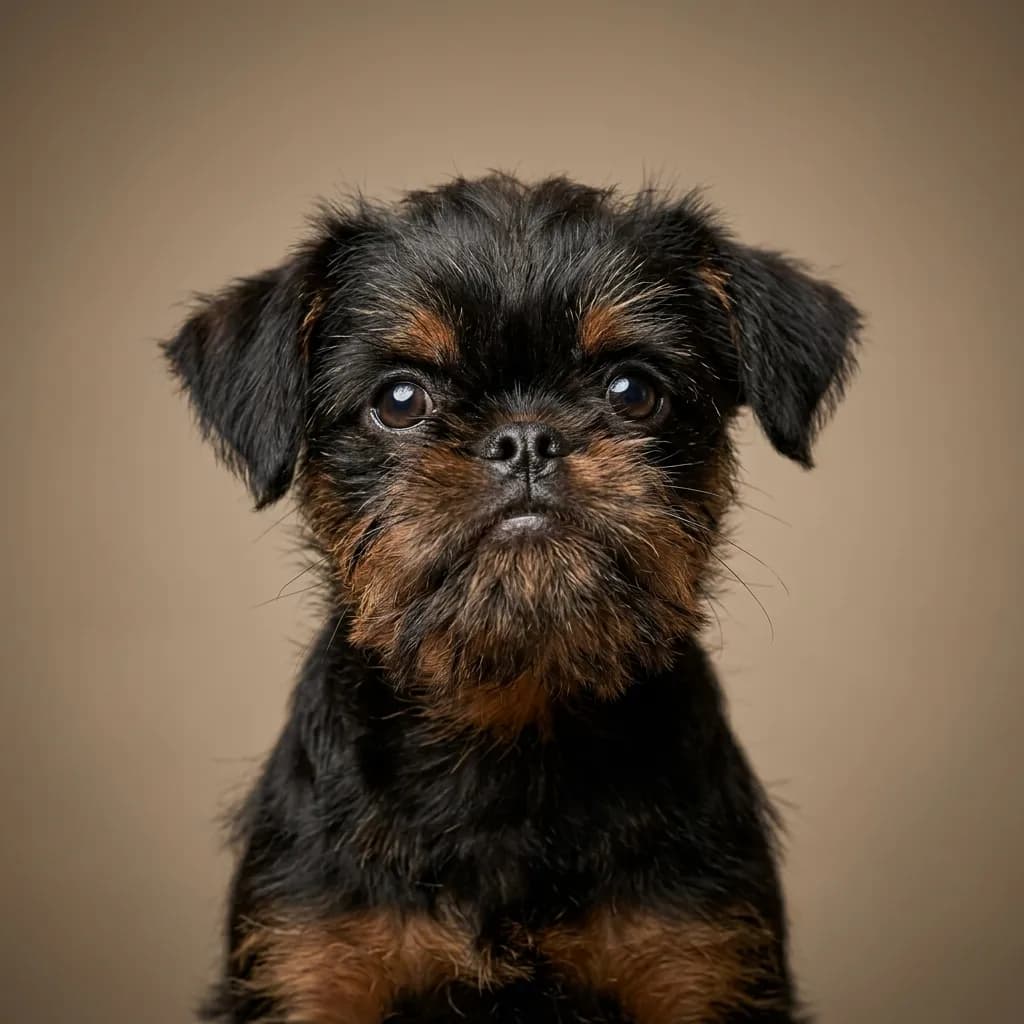
Brussels Griffon
Toy Group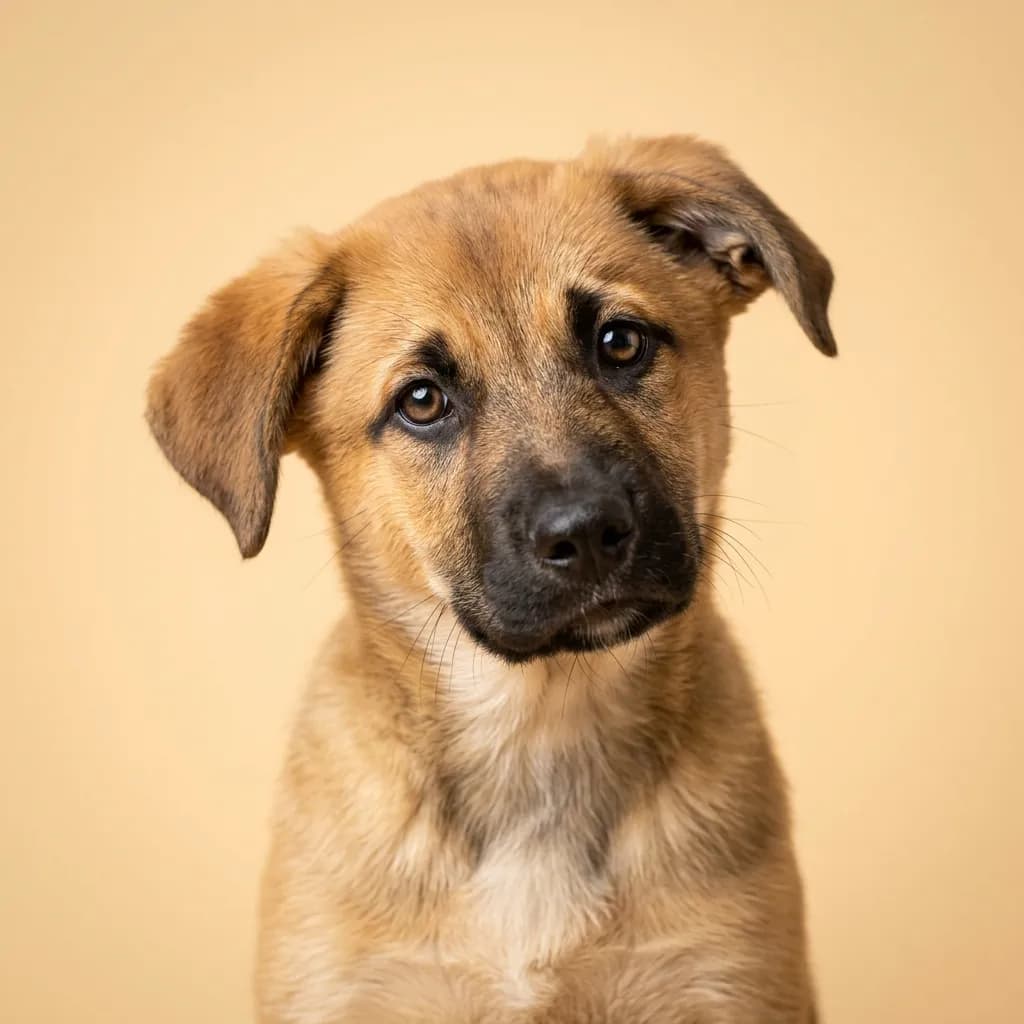
Chinook
Working Group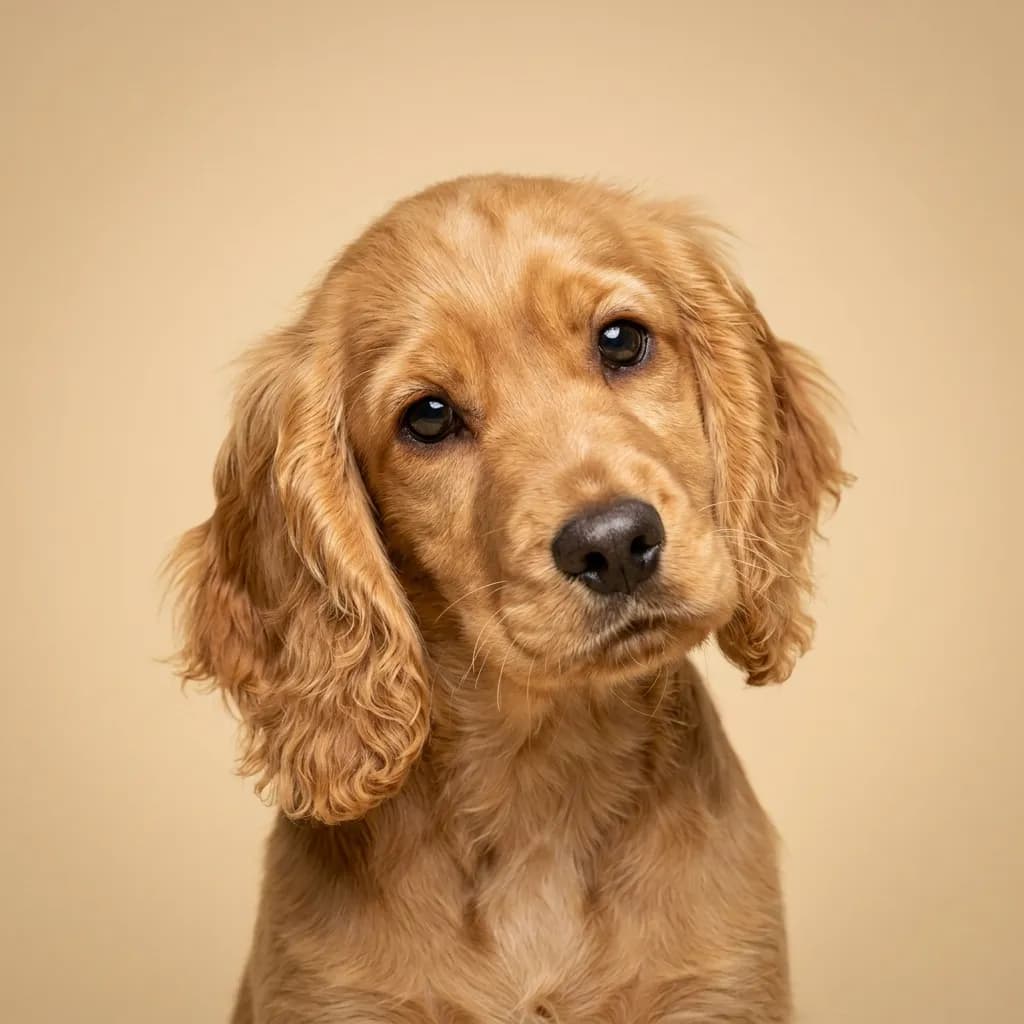
Cocker Spaniel
Sporting Group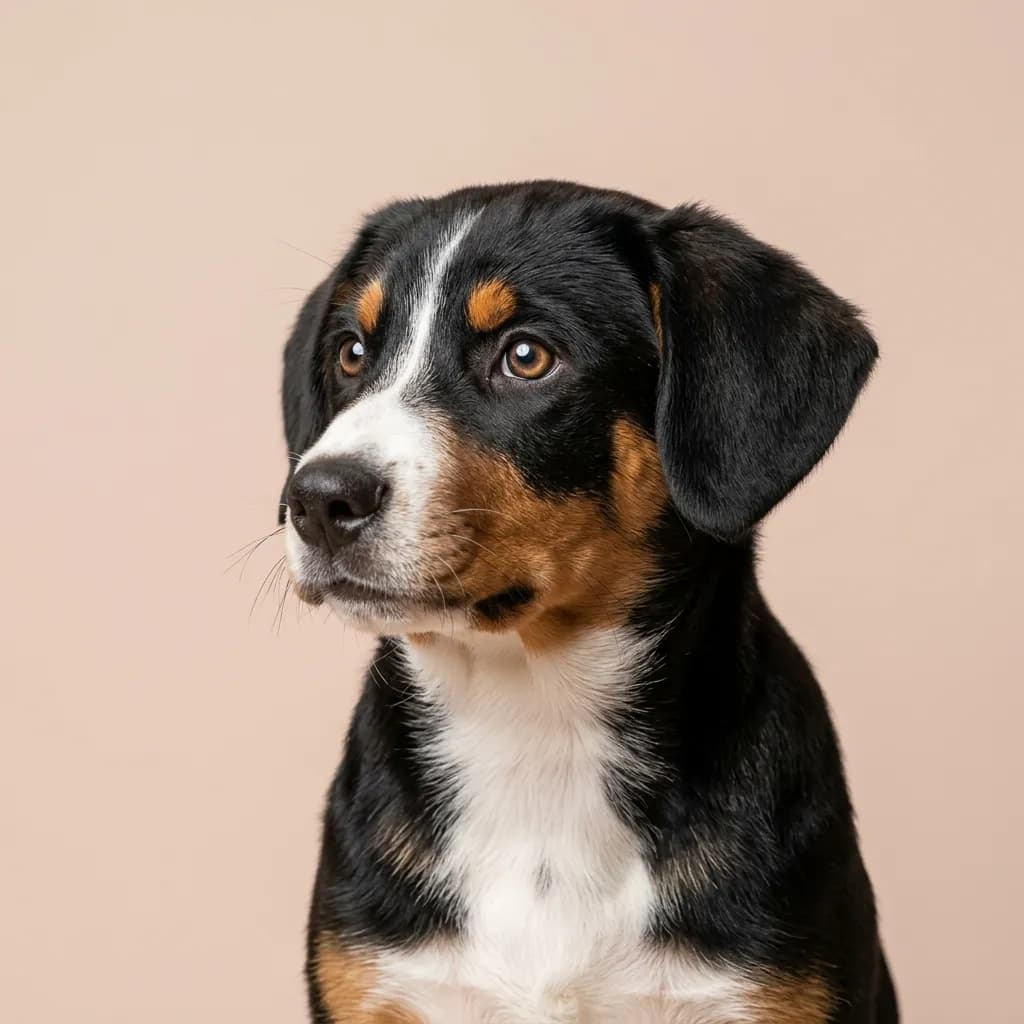
Entlebucher Mountain Dog
Herding Group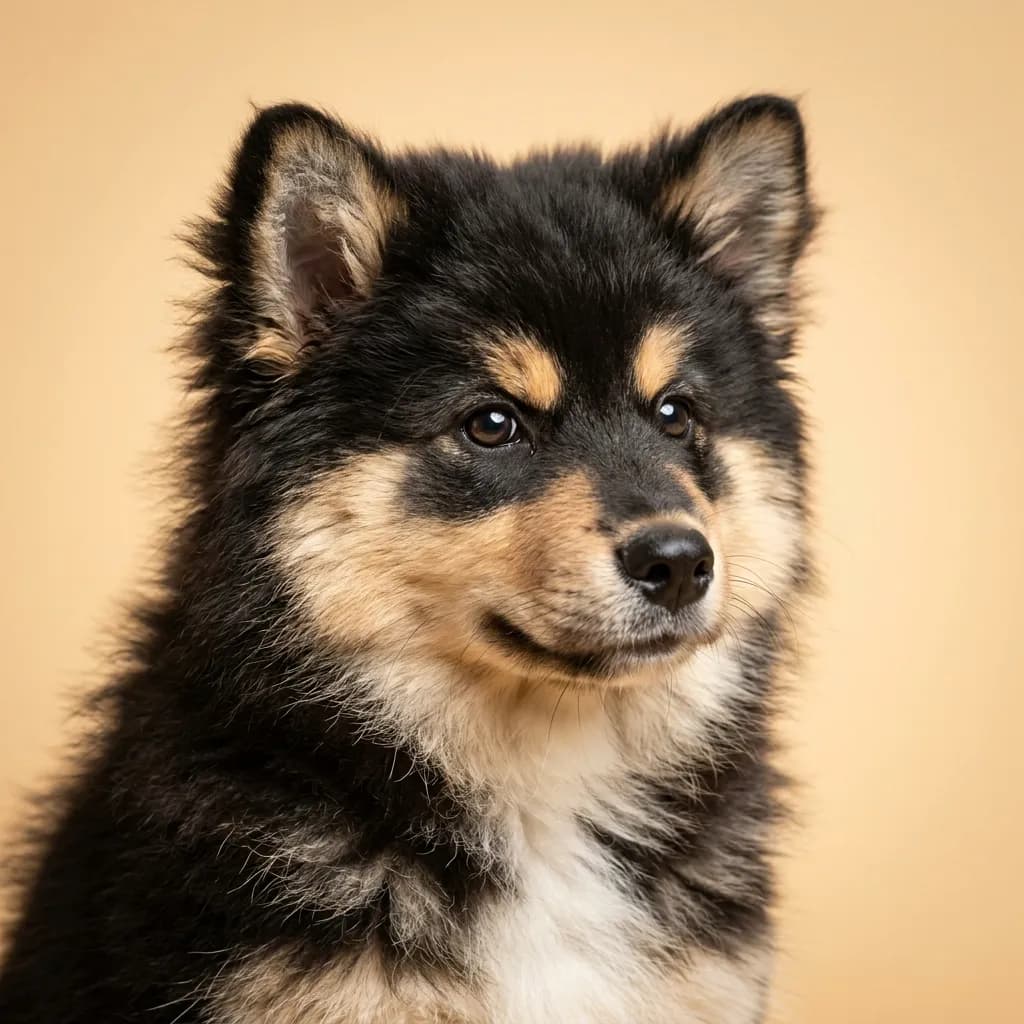
Finnish Lapphund
Herding Group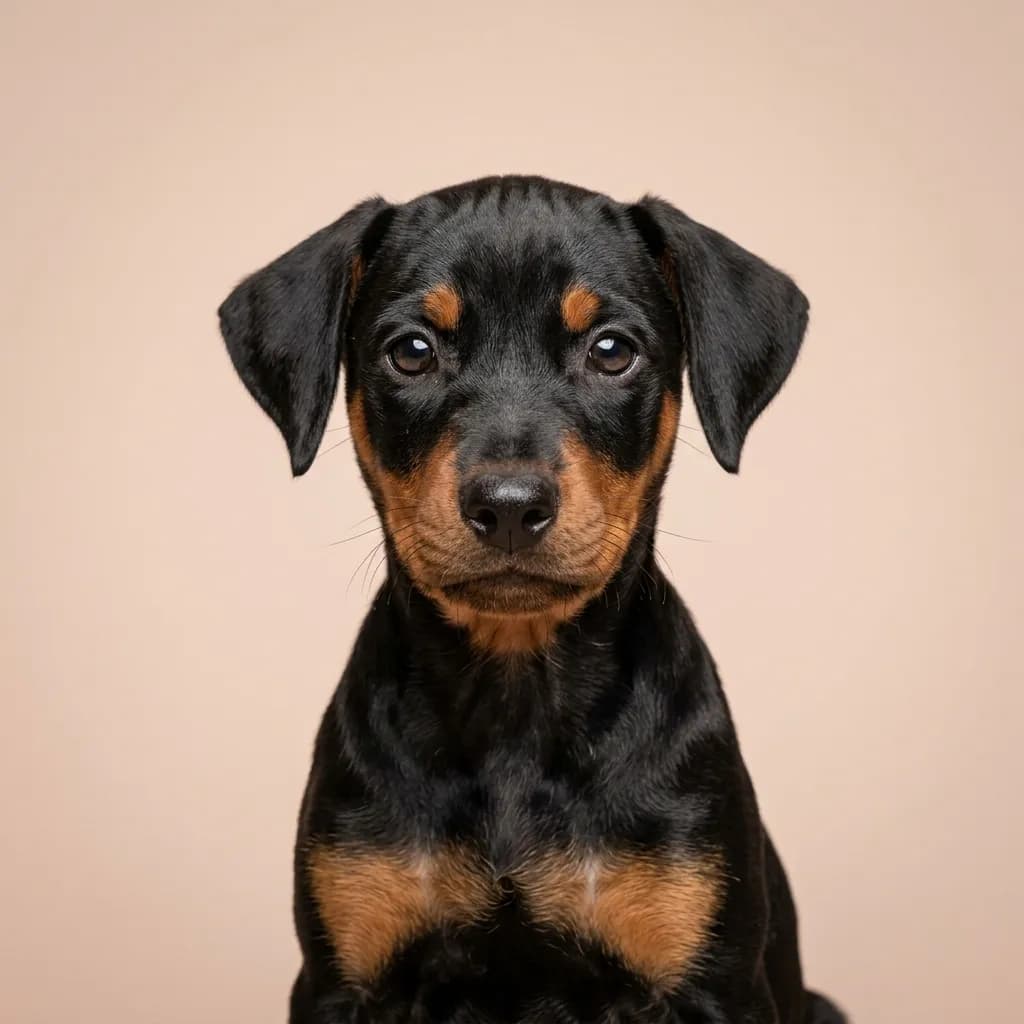
German Pinscher
Working Group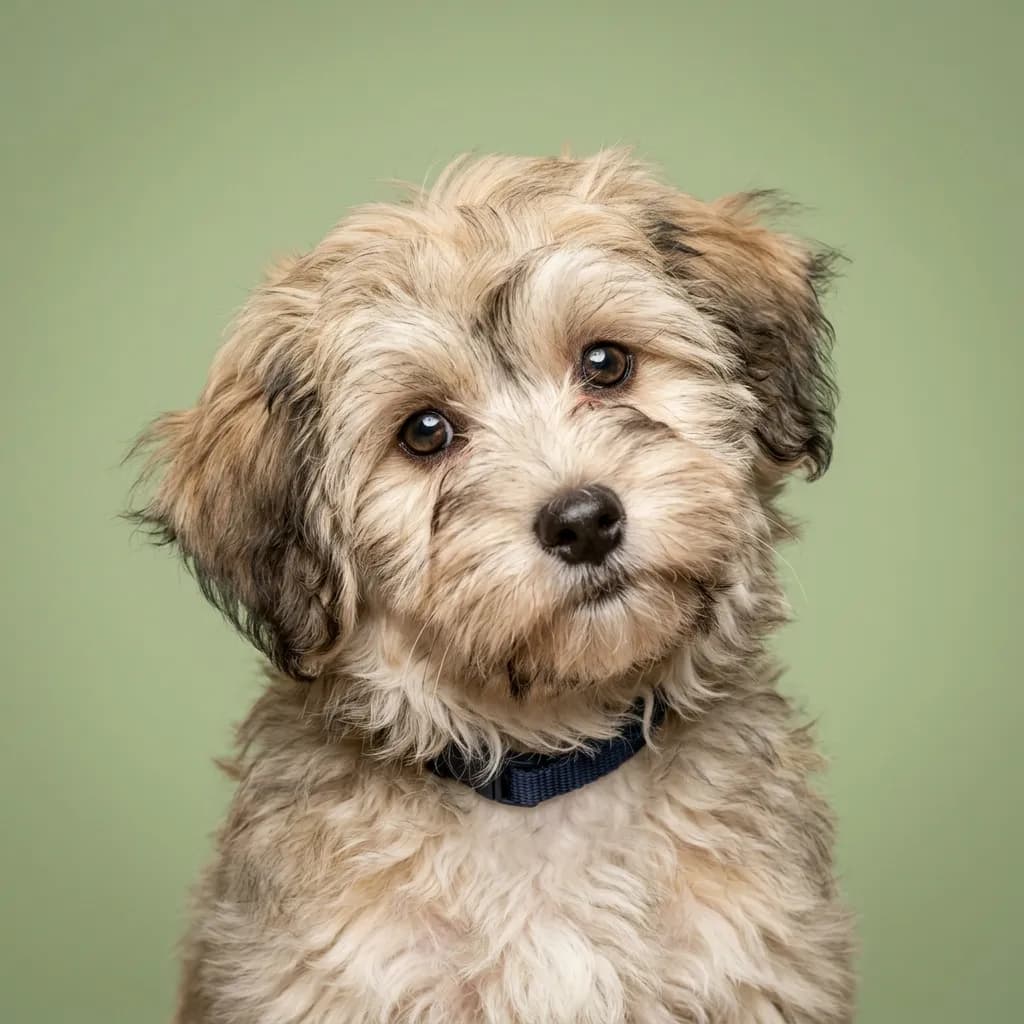
Havanese
Toy Group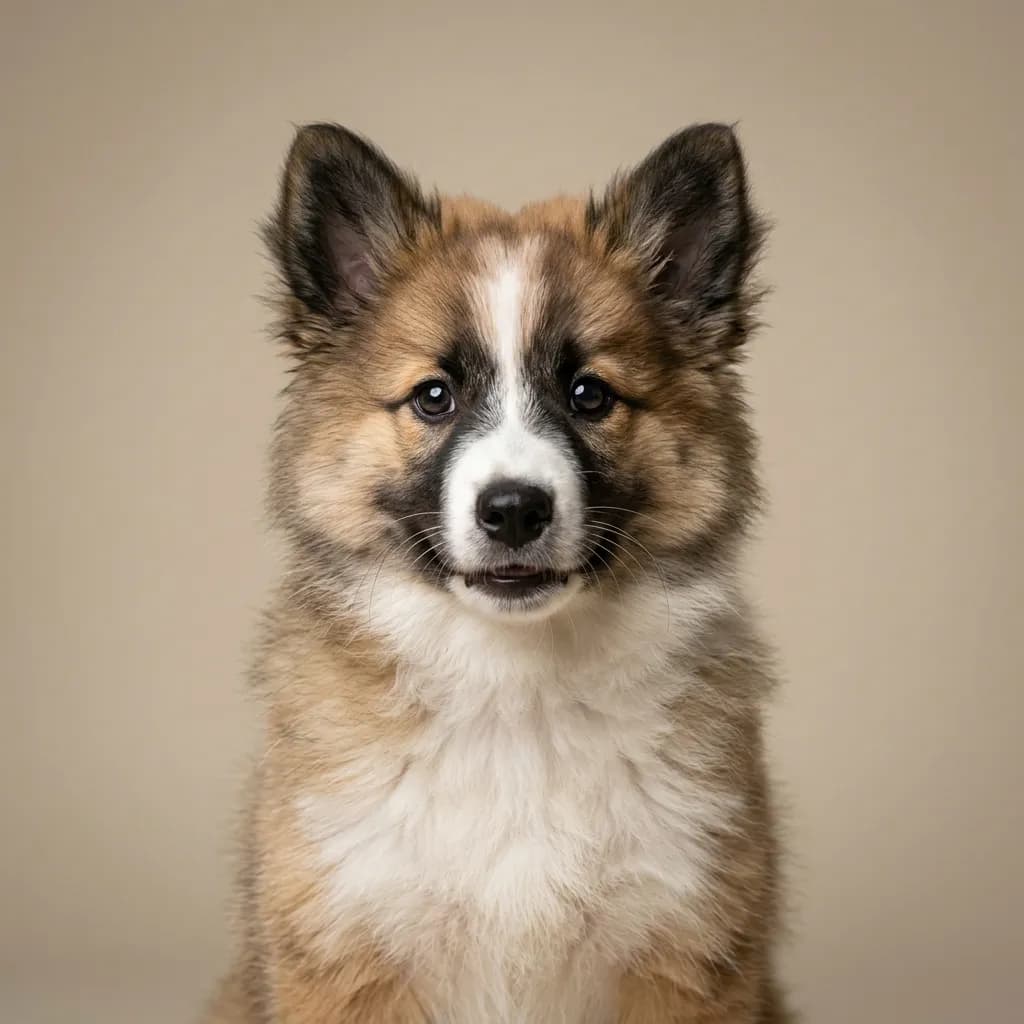
Icelandic Sheepdog
Herding Group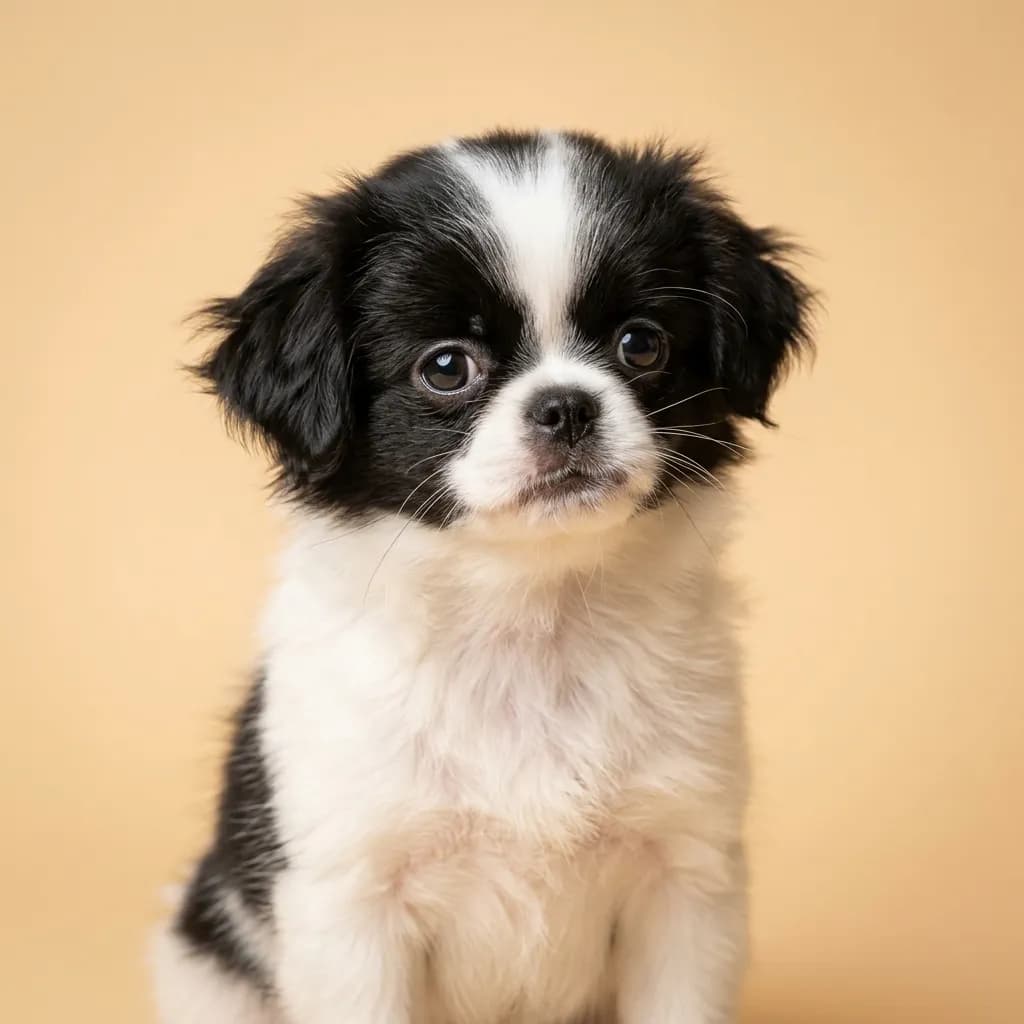
Japanese Chin
Toy Group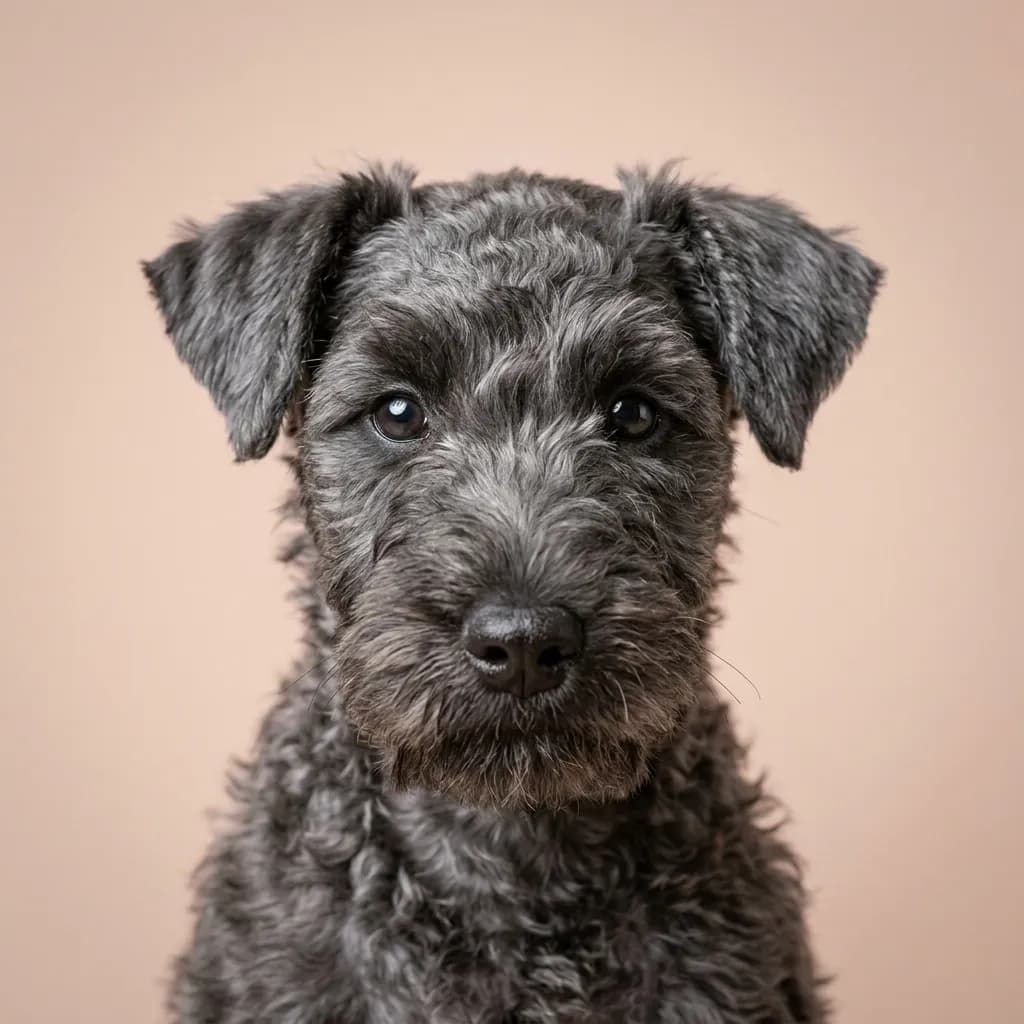
Kerry Blue Terrier
Terrier Group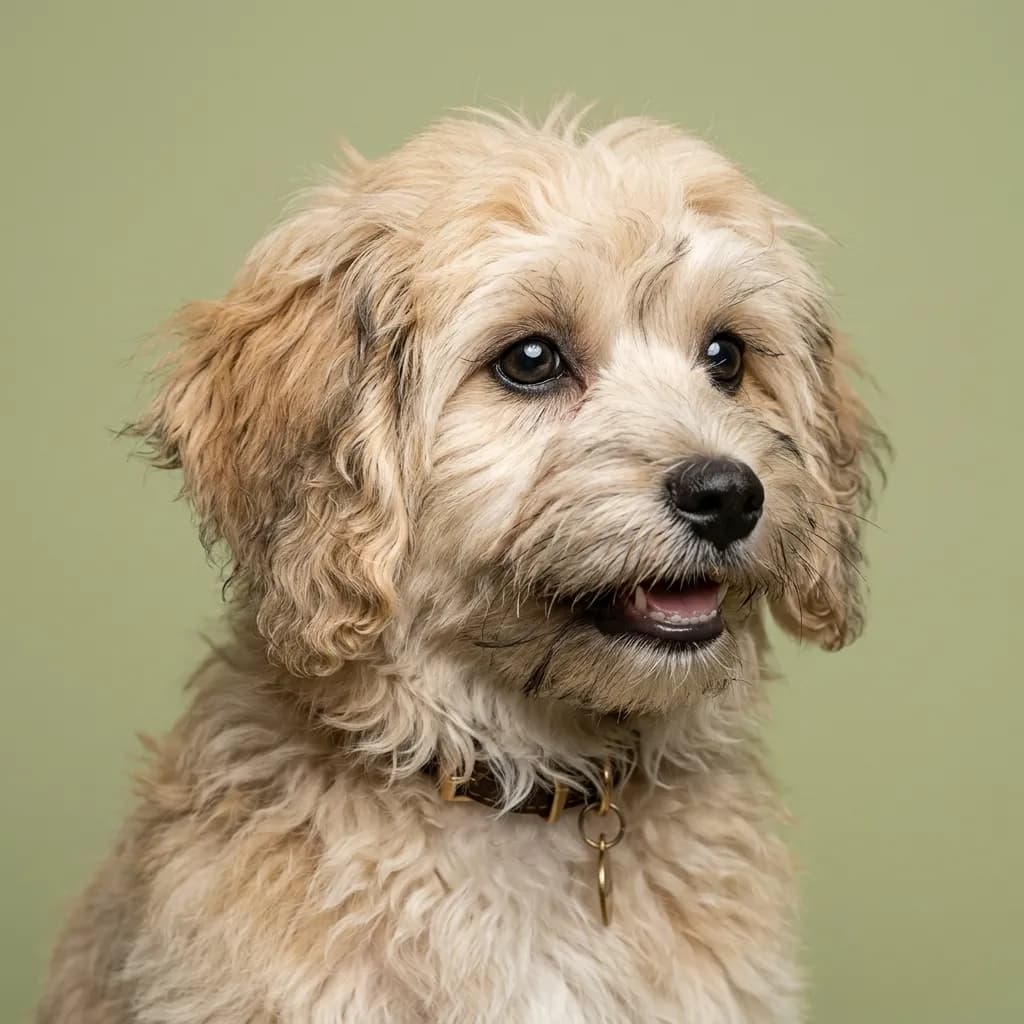
Löwchen
Non-Sporting Group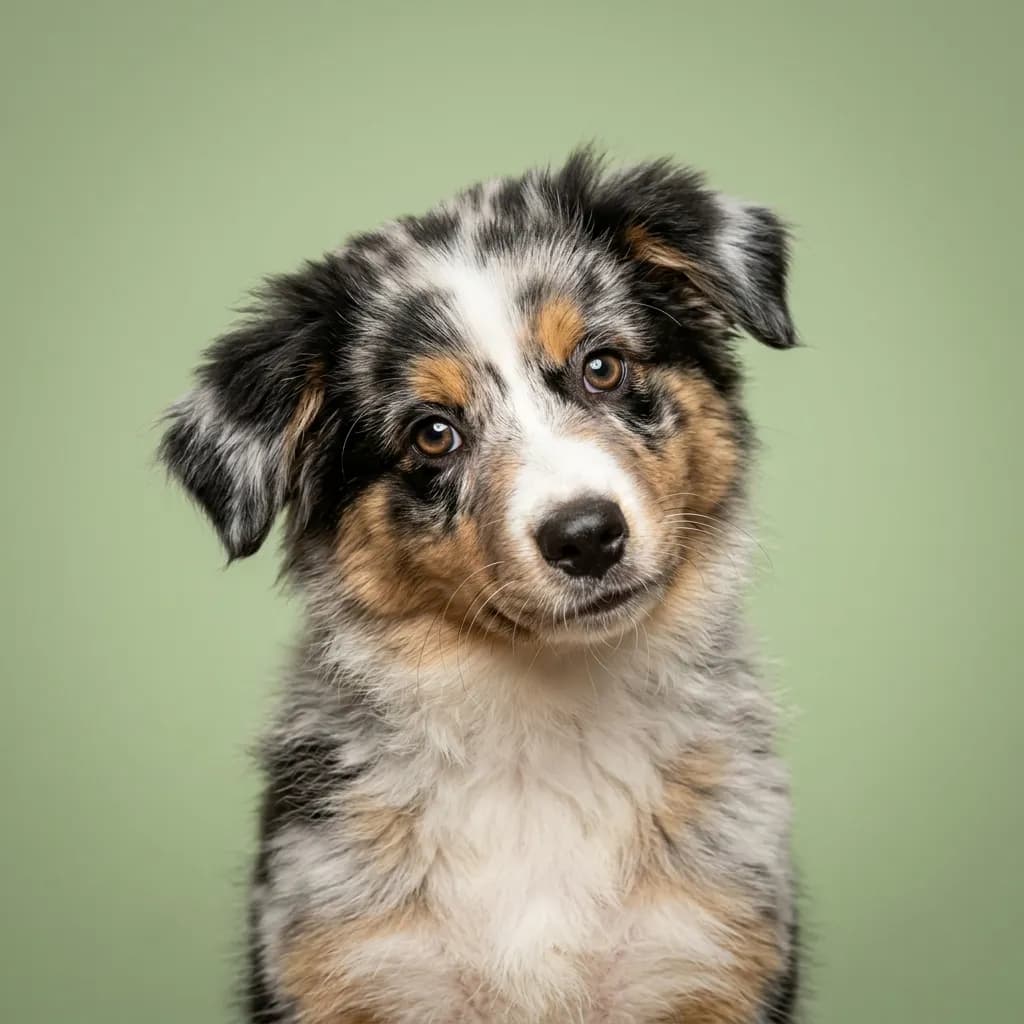
Miniature American Shepherd
Herding Group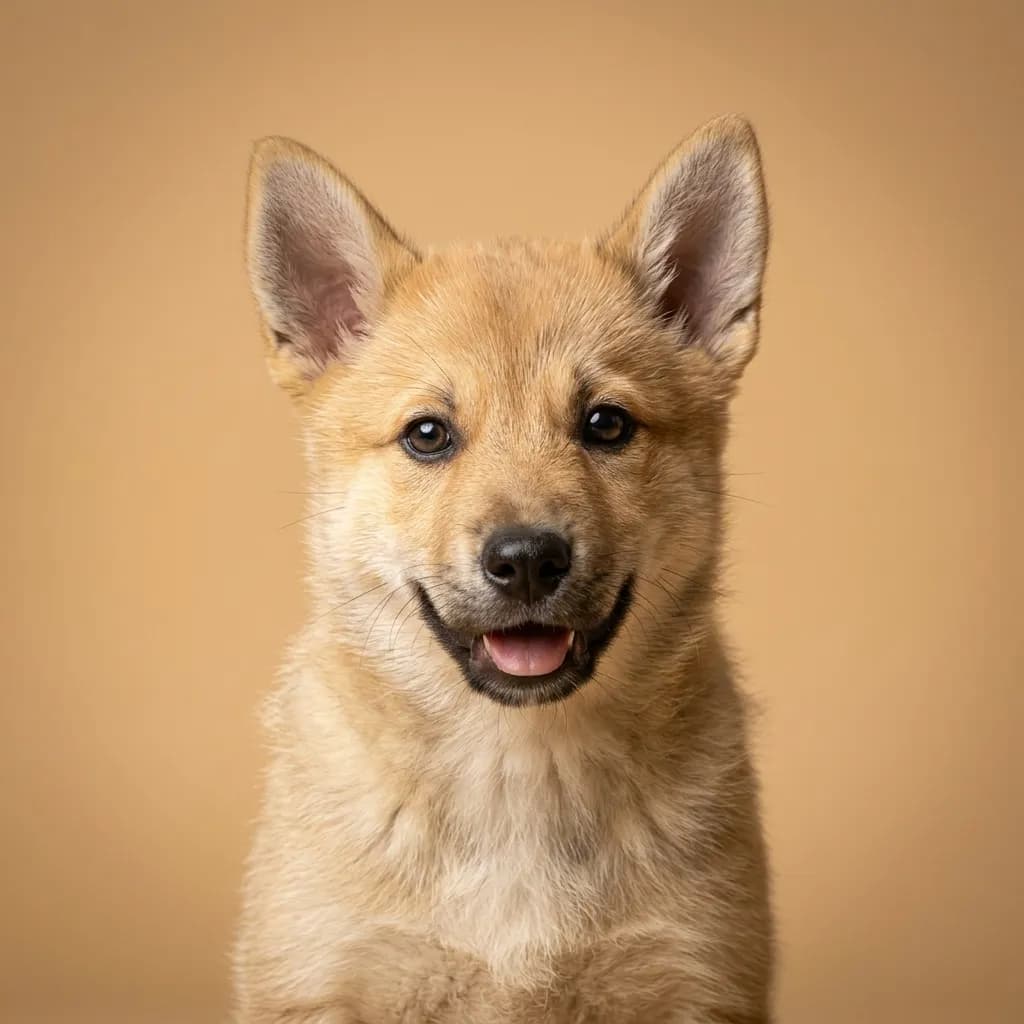
Norwegian Buhund
Herding Group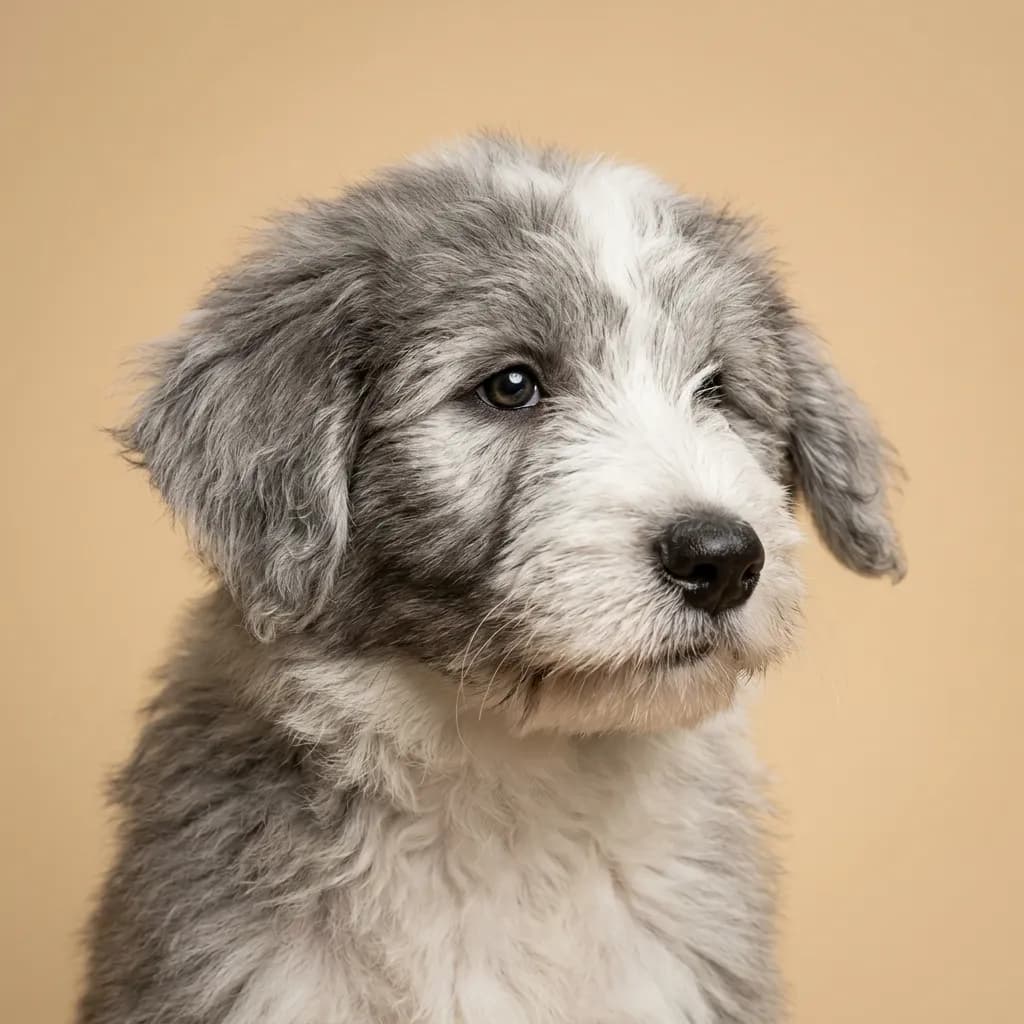
Old English Sheepdog
Herding Group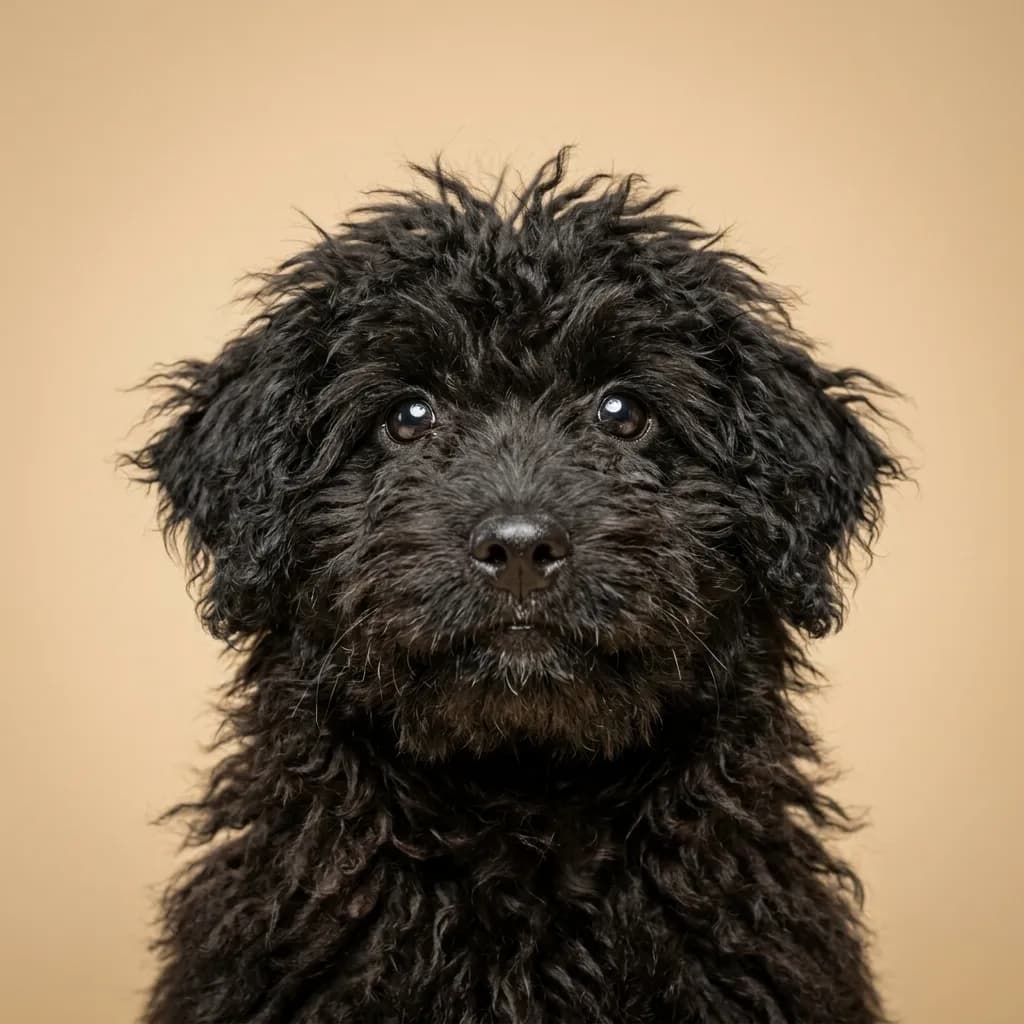
Puli
Herding Group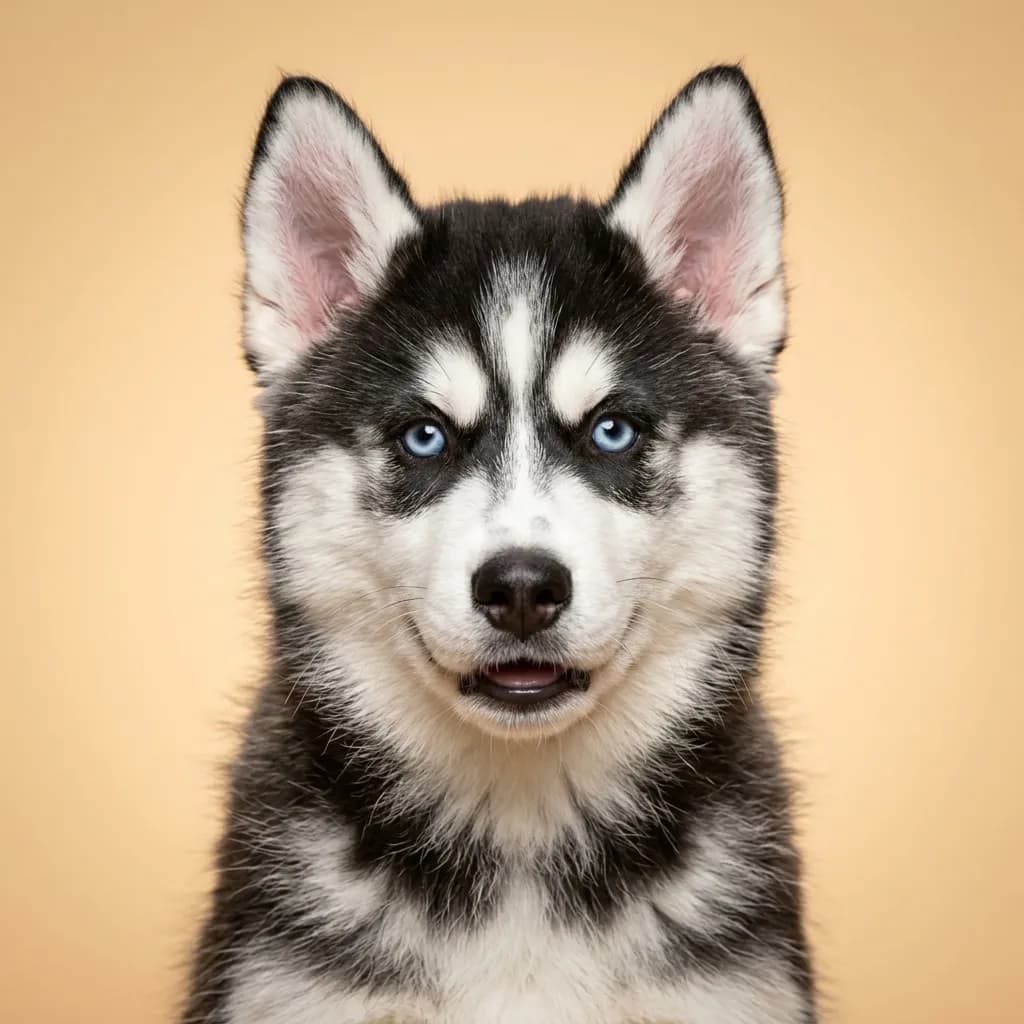
Siberian Husky
Working Group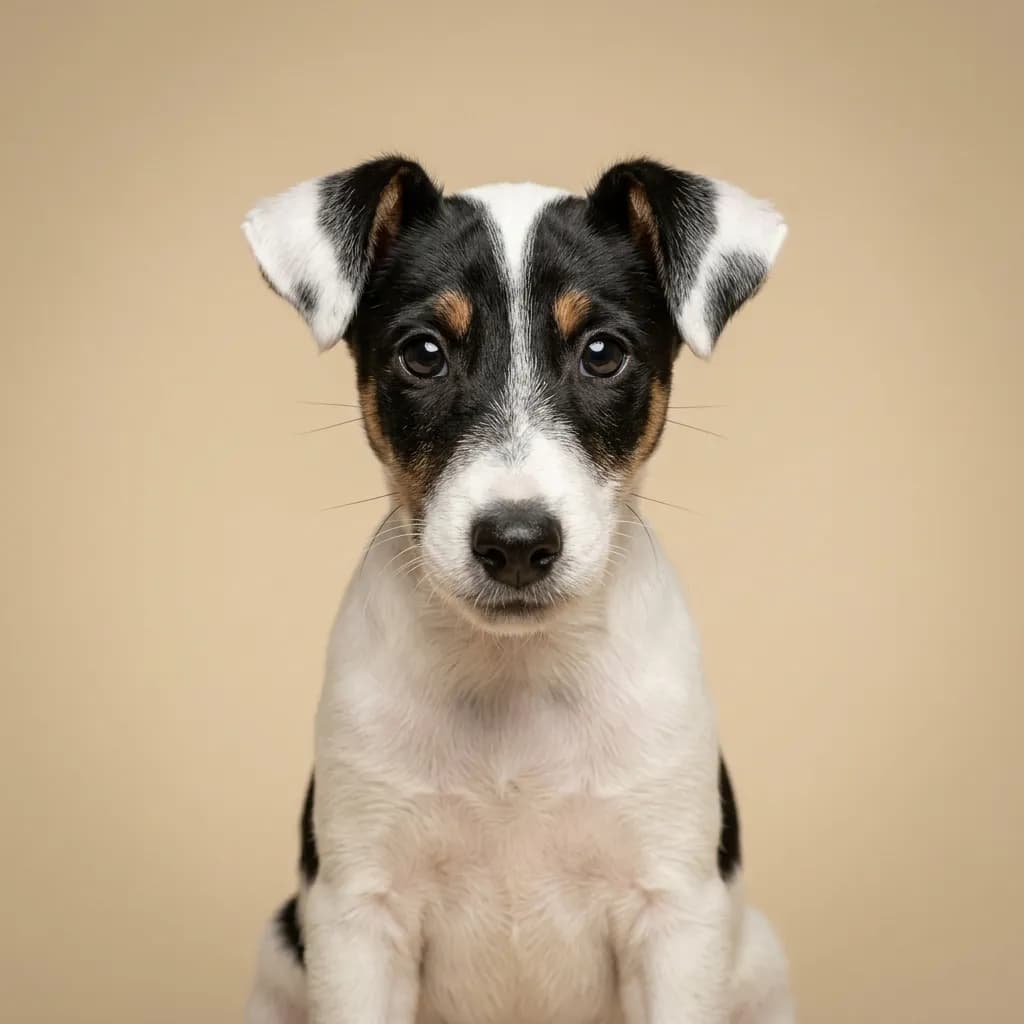
Smooth Fox Terrier
Terrier Group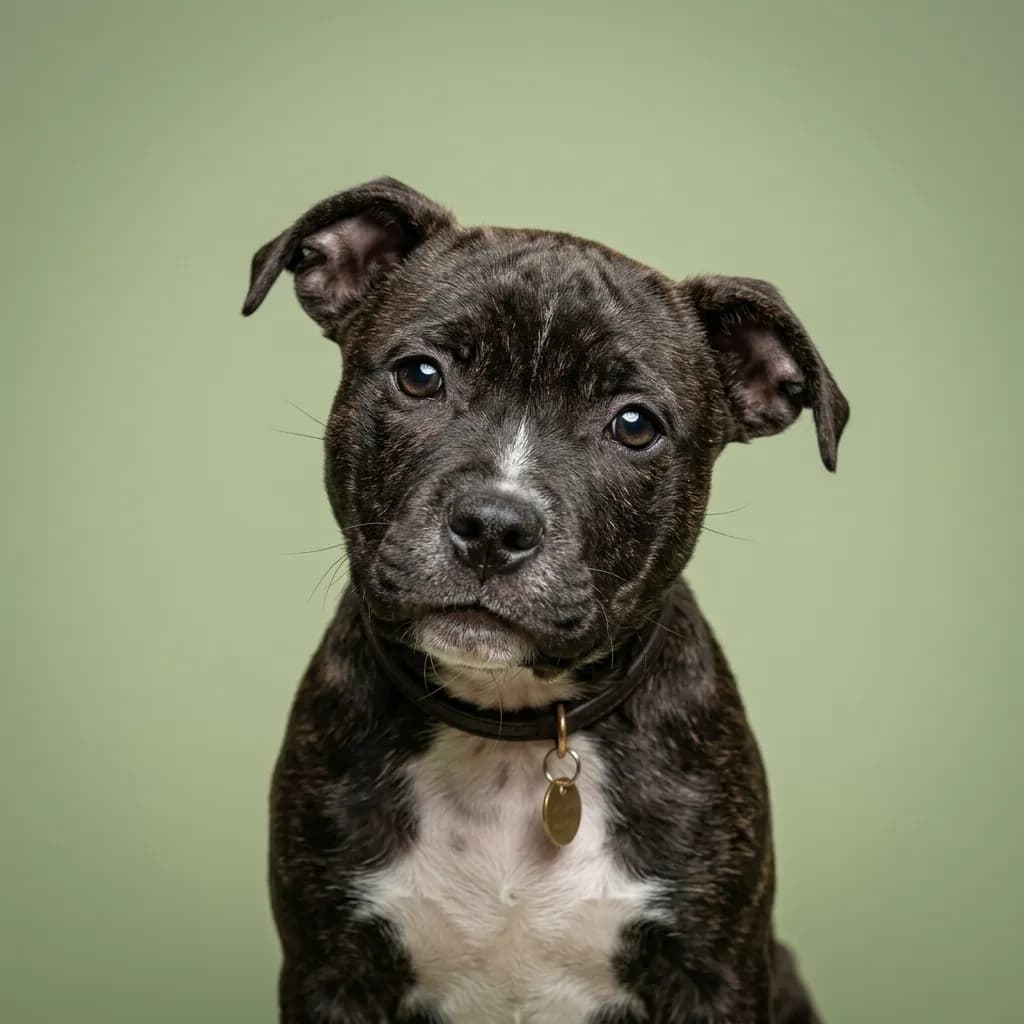
Staffordshire Bull Terrier
Terrier Group