Chesapeake Bay Retriever vs Samoyed
Side-by-side comparison across all 14 AKC trait ratings, with a clear verdict on which breed fits which kind of household.
Not sure which breed fits your life?
Answer five questions about your home, your schedule, and your tolerance for shedding. We’ll match you to your top three breeds from over 200.
Chesapeake Bay Retriever vs Samoyed
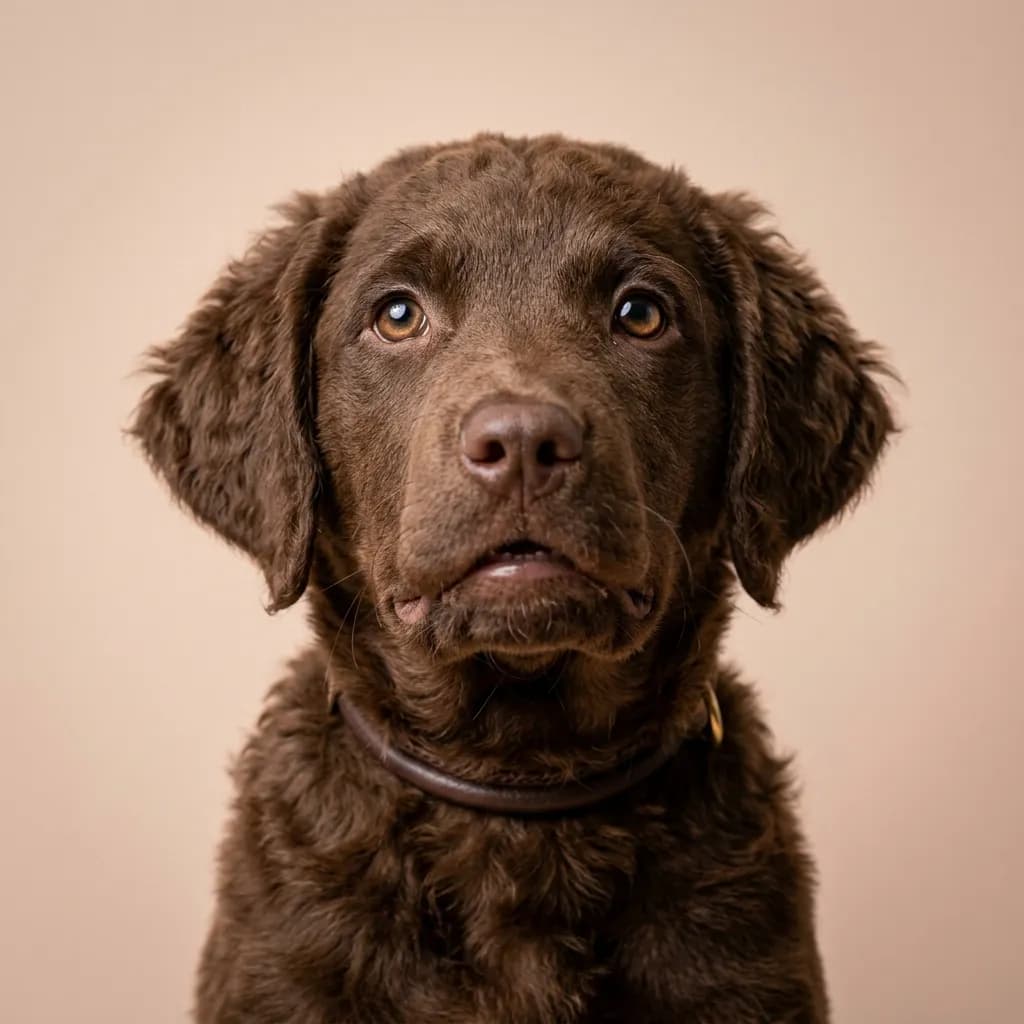
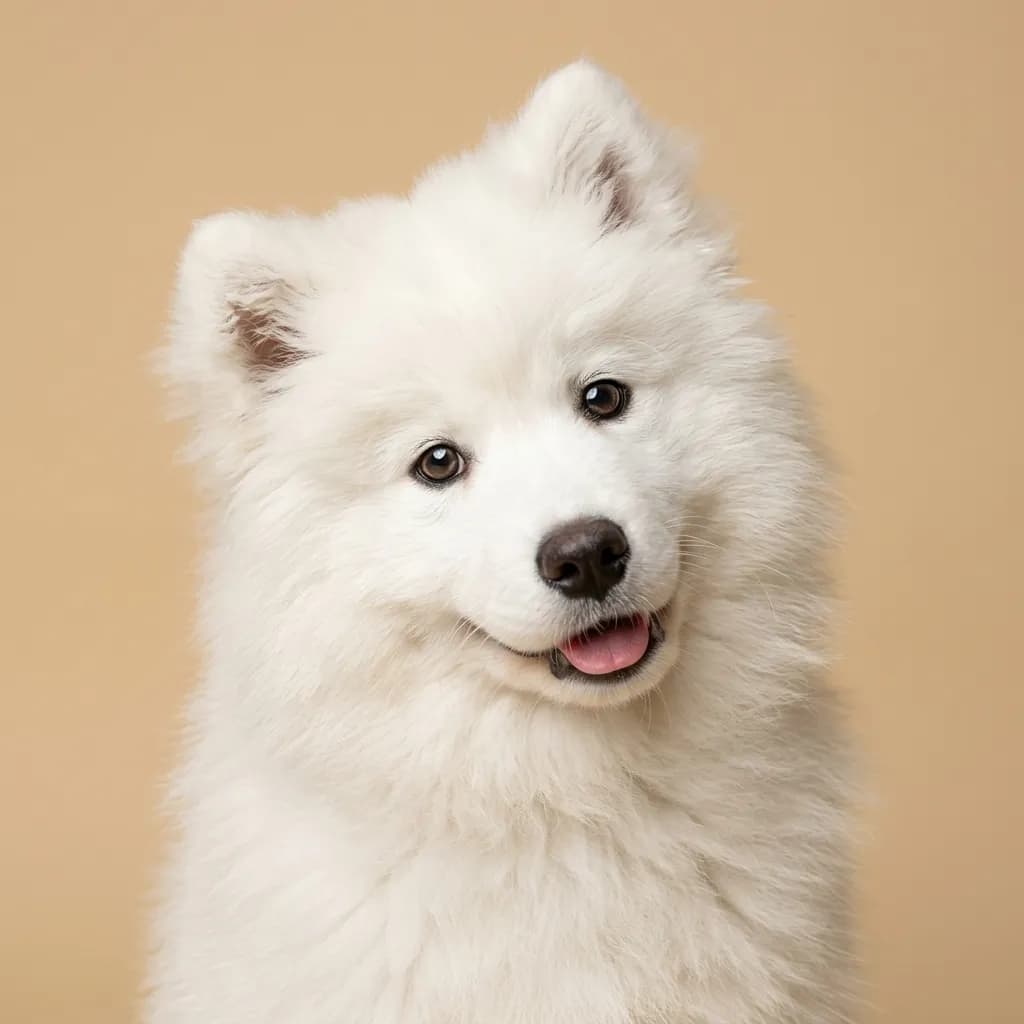
People compare Chesapeake Bay Retrievers and Samoyeds because both are thick-coated, family-friendly dogs that thrive in cold weather and love being part of an active household. At first glance, you’ve got two fluffy, smiling, energetic breeds that seem built for outdoor adventures. But if you’re choosing between them, the real difference isn’t just color or country of origin. it’s lifestyle alignment. The Chessie is a working athlete bred to power through icy surf, hauling ducks back to hunters. They’re intensely driven, deeply loyal, and highly sensitive to their owner’s tone. You’ll need to keep their mind busy, and they’ll do best with a job. whether that’s hunting, dock diving, or advanced obedience. They’re affectionate with family but reserved with strangers, and they won’t bark constantly. Just don’t expect a couch potato; they need real work. The Samoyed, with that famous “sammie smile,” is a social butterfly with a motor. Bred to herd and pull sleds in Siberia, they’re built for endurance and companionship. They’ll bond fiercely with kids and strangers alike, but they will bark. often, and with enthusiasm. And while both breeds shed, the Samoyed’s coat demands serious grooming, especially during seasonal blowouts. But if you want a dog that’s always happy to see you and thrives on interaction, this is your breed. One thing the data won’t tell you: Samoyeds are escape artists. They’re clever, persistent, and will chew through screened doors if left alone too long. Chessies are more likely to sulk than bolt, but they’ll destroy your shoes if under-stimulated. Pick a Chessie if you’re active, experienced, and want a focused partner. Pick a Samoyed if you want a joyful, sociable dog and don’t mind the noise and grooming.
Trait-by-trait
Higher bar = more of that trait. Shedding, barking, drooling, grooming flipped for readability.Where they diverge
Choose the Chesapeake Bay Retriever if…
- Active families
- Hunters and waterfowlers
- Cold and wet climate owners
- You value drooling level — Chesapeake Bay Retriever scores noticeably higher.
Choose the Samoyed if…
- Active families
- Cold climate households
- Dog sports enthusiasts
- You value good with young children — Samoyed scores higher here.