Great Pyrenees vs Otterhound
Side-by-side comparison across all 14 AKC trait ratings, with a clear verdict on which breed fits which kind of household.
Not sure which breed fits your life?
Answer five questions about your home, your schedule, and your tolerance for shedding. We’ll match you to your top three breeds from over 200.
Great Pyrenees vs Otterhound
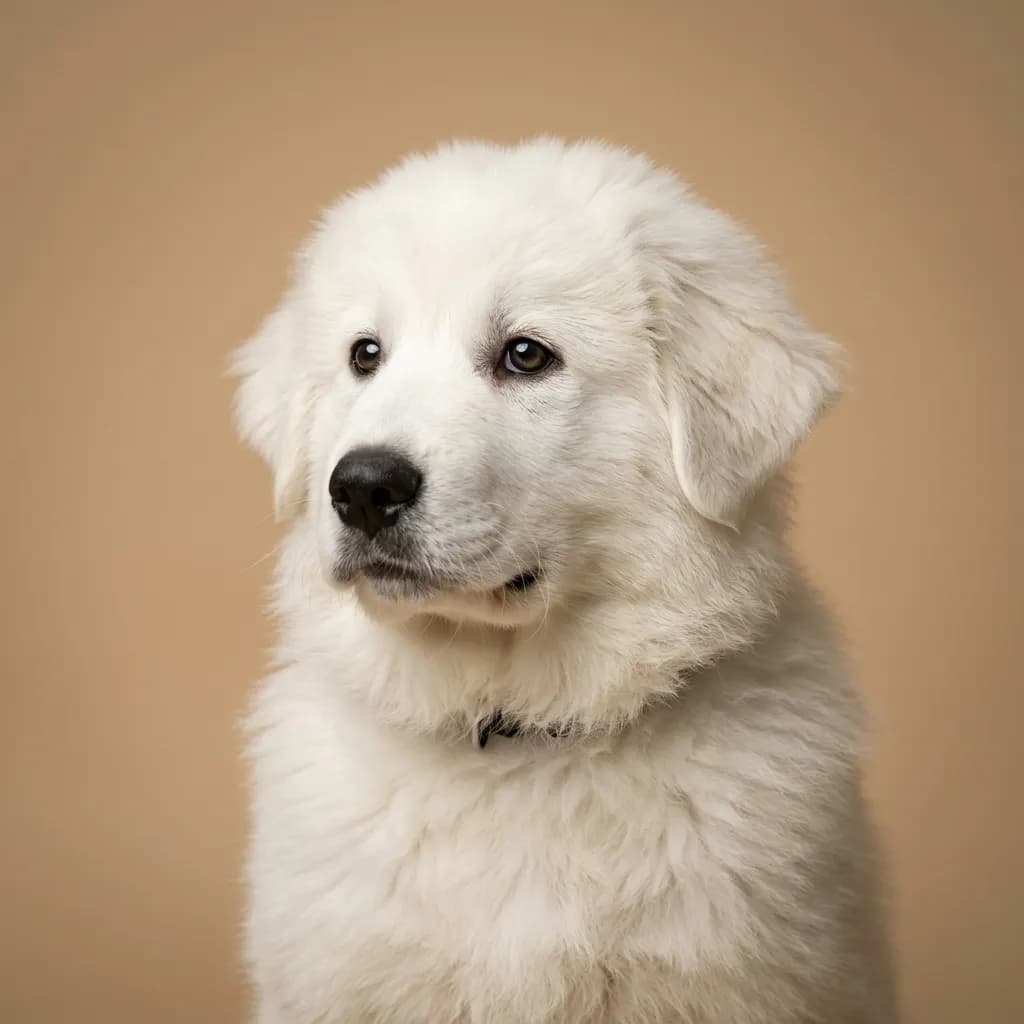
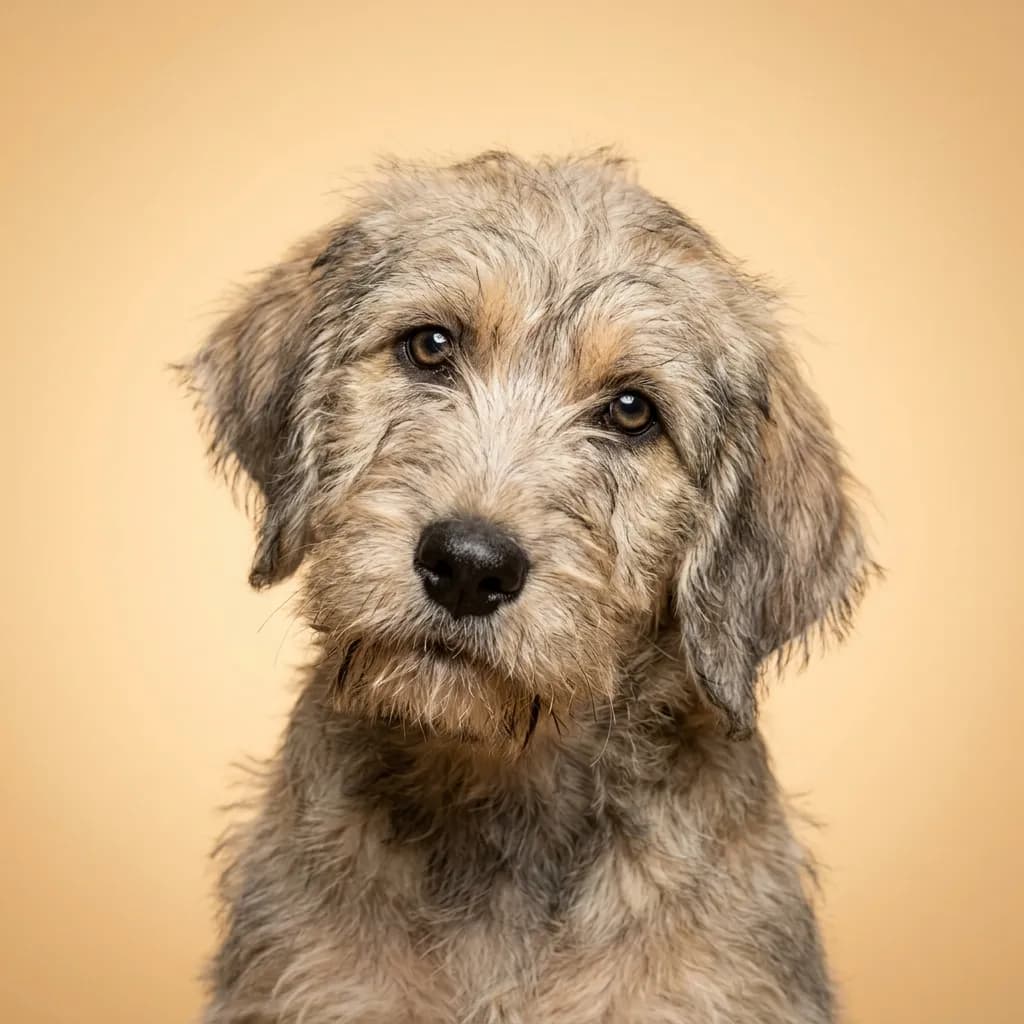
You don’t see people comparing Great Pyrenees and Otterhounds at dog parks. mostly because neither breed is likely to be at a dog park. But if you’re deep in the world of big, bearded, rare dogs that love water or snow, you might find yourself torn. Both are gentle giants with goofy hearts and drool that can soak a shoe. But that’s where the similarities end. The Great Pyrenees was born for stillness. He’s the calm boulder on the hillside, watching sheep under moonlight, built for cold mountain air and solitude. He’s independent, which means he’ll give you deep loyalty and quiet companionship. but don’t expect him to come when called if a deer crosses the fence. He sheds like a snowstorm in spring and needs space, cold weather, and a job. even if that job is just being a living fence. The Otterhound? He’s the muddy, barking, splashing chaos kid of the pair. Bred to bay and chase otters through English rivers, he’s louder, smellier, and way more social. His coat is a shaggy mess that traps pond scum and smells like wet dog on purpose. But he’s also surprisingly trainable for a hound, thrives with active families, and adapts better to new routines. just don’t invite neighbors over unannounced. Pick the Pyrenees if you want a serene guardian for a farm or a cold climate and don’t mind shedding and stubbornness. Pick the Otterhound if you love outdoor adventures, don’t fear odor or drool, and want a goofy, affectionate hound with a voice like a foghorn. Here’s the real talk: neither dog will live happily in a small yard in Phoenix. But more importantly, both will love you fiercely. if you let them be exactly who they were bred to be.
Trait-by-trait
Higher bar = more of that trait. Shedding, barking, drooling, grooming flipped for readability.Where they diverge
Choose the Great Pyrenees if…
- Livestock guardians
- Rural or farm living
- Families with children
- You value watchdog / protective — Great Pyrenees scores noticeably higher.
Choose the Otterhound if…
- Active families
- Rural settings
- Outdoor and swimming enthusiasts
- You value barking level — Otterhound scores higher here.