Hokkaido vs Slovensky Cuvac
Side-by-side comparison across all 14 AKC trait ratings, with a clear verdict on which breed fits which kind of household.
Not sure which breed fits your life?
Answer five questions about your home, your schedule, and your tolerance for shedding. We’ll match you to your top three breeds from over 200.
Hokkaido vs Slovensky Cuvac
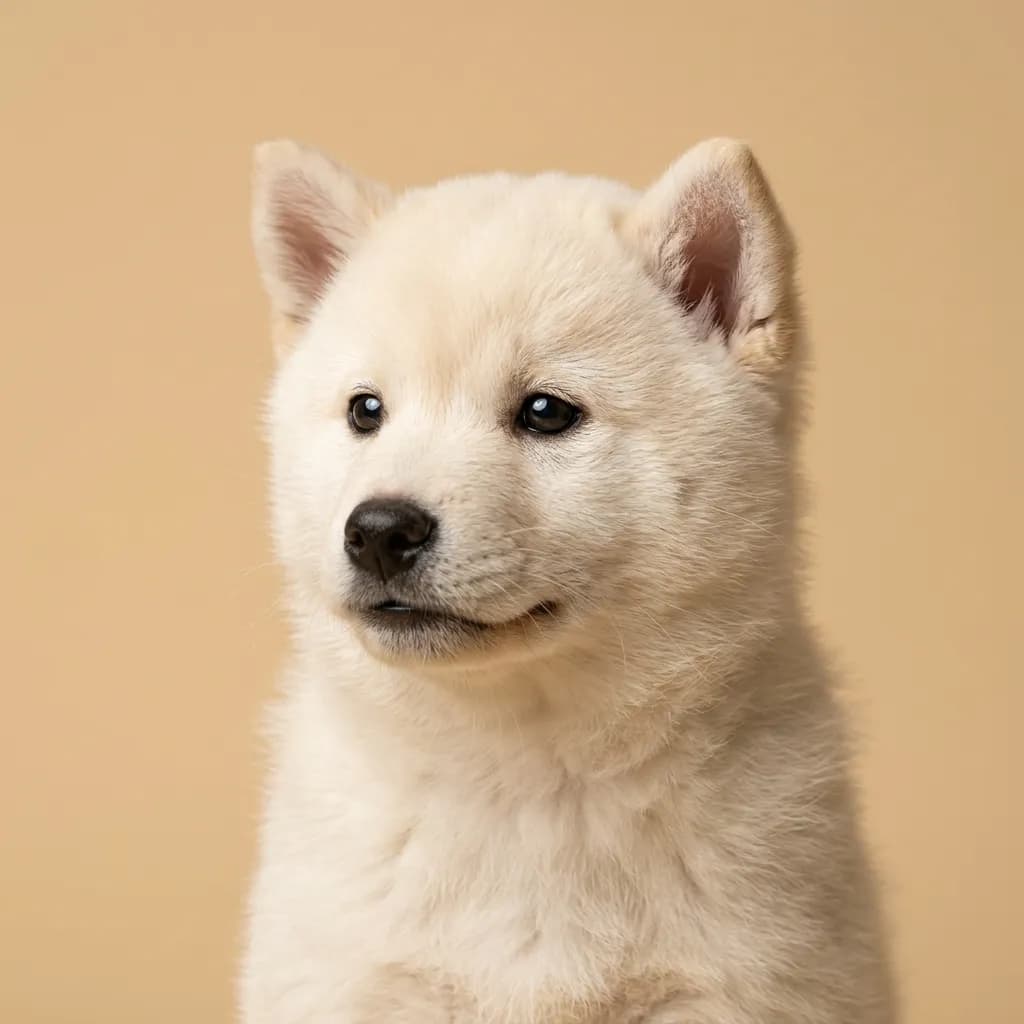
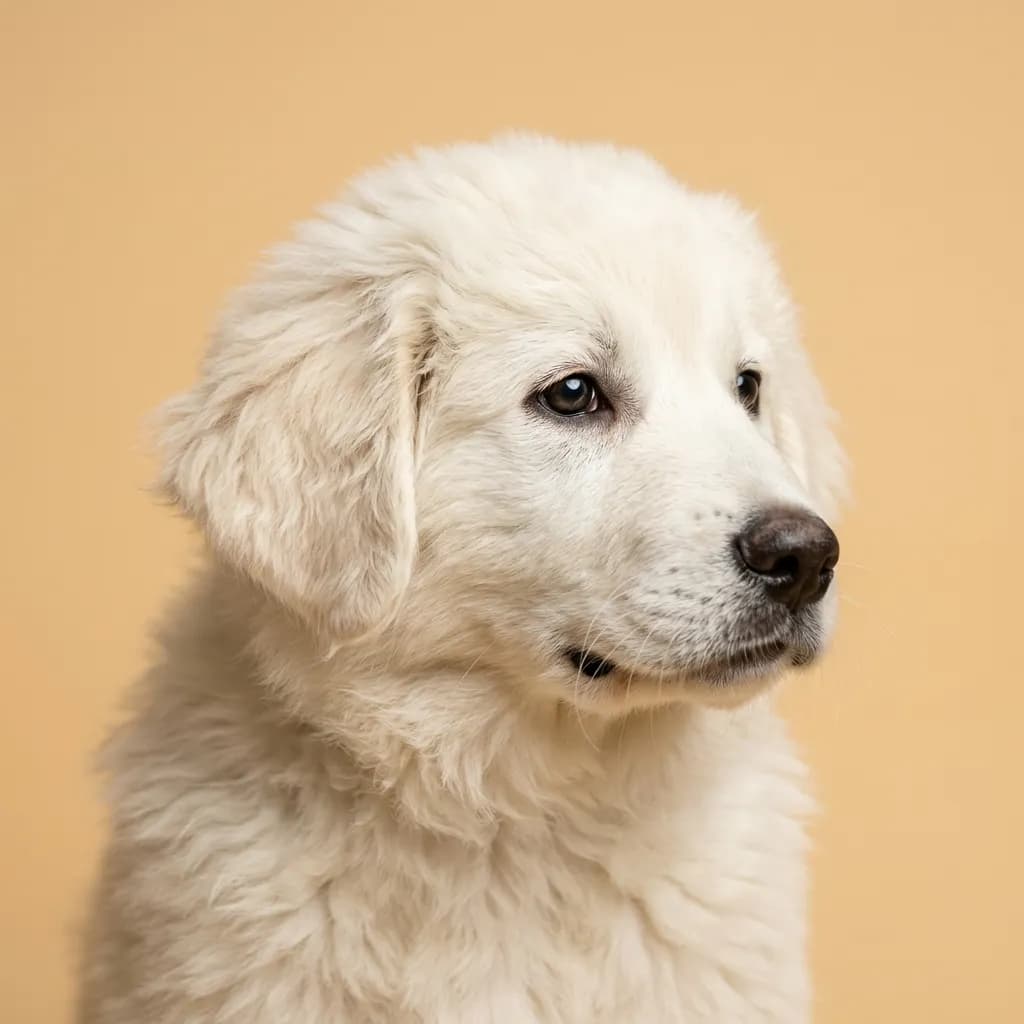
People don’t usually pit the compact, fox-like Hokkaido against the massive, white-coated Slovensky Cuvac unless they’re deep into rare working breeds and cold-weather dogs. But here’s why the comparison pops up: both are rare, mountain-born guardians from isolated regions, loyal to a fault, and built for harsh winters. That’s where the similarities end. The Hokkaido is the agile hunter, bred to track bear and deer through snow-covered forests. At 50 pounds and full of fire, this dog lives to work. It’s sharp-minded and responsive, scoring high on trainability and mental drive. not because it wants to please blindly, but because it thrives on partnership. You’ll need to earn its trust, but once you have it, you’ve got a shadow for life. It’s not for rookies or couch potatoes. This dog needs big walks, cold air, and a job, even if that job is just beating you up the trail on a winter hike. The Slovensky Cuvac, meanwhile, is a fortress on four legs. At nearly 90 pounds and draped in thick white fur, it’s built to stand motionless for hours in a blizzard, watching over sheep. It’s calm but deeply suspicious of strangers, less eager to learn tricks than to assess threats. Training is slower, not from dullness but from independence. It bonds tightly with family and can be gentle with kids, but its size alone makes it a poor fit for small homes. Here’s the real talk: the Hokkaido will challenge you to be a better leader. The Cuvac will forgive your mistakes as long as you respect its space. Choose the Hokkaido if you want an intense outdoor companion. Choose the Cuvac if you need a stoic protector for land and livestock. Neither will suit a casual owner. Both will change your life. if you’re ready for the weight of their loyalty.
Trait-by-trait
Higher bar = more of that trait. Shedding, barking, drooling, grooming flipped for readability.Where they diverge
Choose the Hokkaido if…
- Experienced dog owners
- Active families
- Cold climates
- You value barking level — Hokkaido scores noticeably higher.
Choose the Slovensky Cuvac if…
- experienced large-breed owners
- farms and large properties
- cold climates
- You value shedding level — Slovensky Cuvac scores higher here.