Keeshond vs Russian Tsvetnaya Bolonka
Side-by-side comparison across all 14 AKC trait ratings, with a clear verdict on which breed fits which kind of household.

Not sure which breed fits your life?
Answer five questions about your home, your schedule, and your tolerance for shedding. We’ll match you to your top three breeds from over 200.
Keeshond vs Russian Tsvetnaya Bolonka
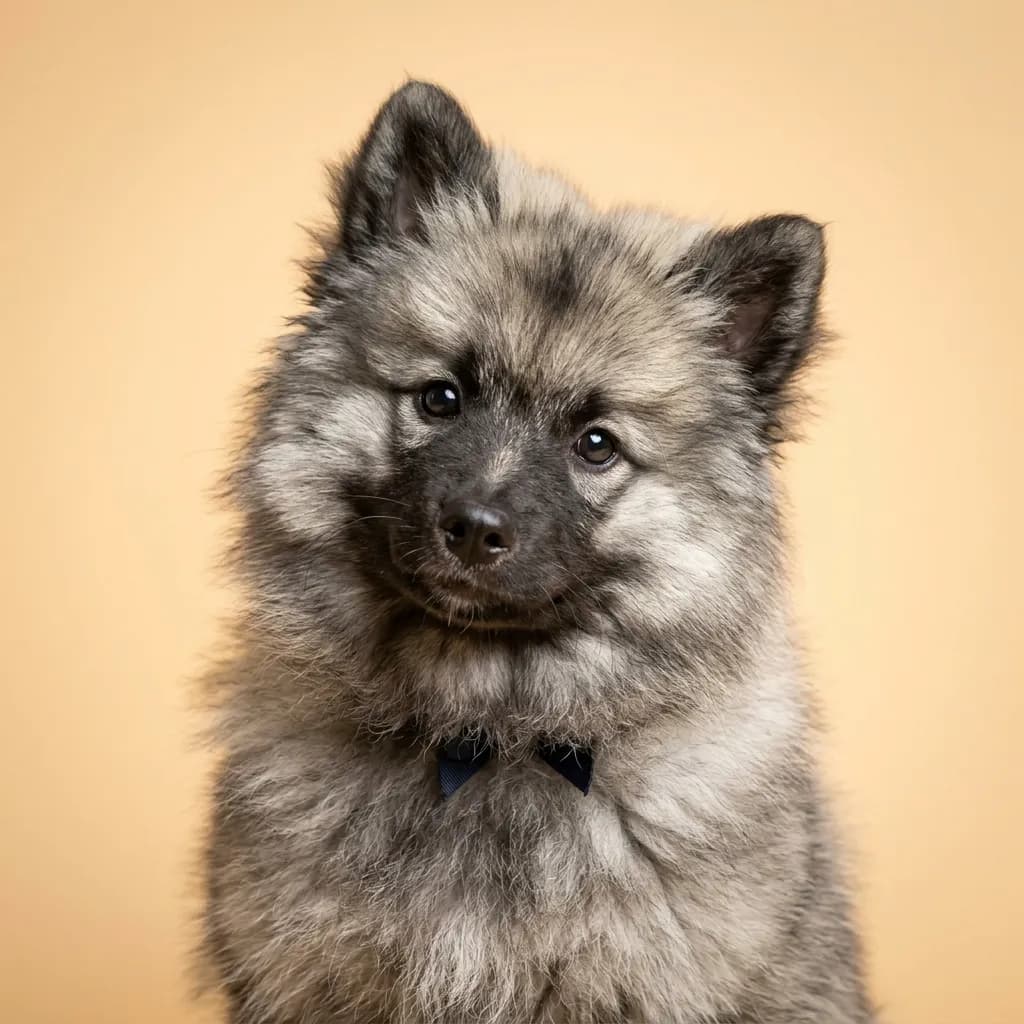
You’re not going to find these two dogs stacked up against each other on accident. But if you're torn between a Keeshond and a Russian Tsvetnaya Bolonka, you're probably drawn to fluffy, expressive companion dogs with personality to burn. Both are affectionate, barky, and thrive on human connection. But that’s where the similarities fluff out. The Keeshond is the neighborhood greeter with a lion’s mane and a wagging tail. At 40 pounds and built for cold snaps, this dog lives for daily walks, family involvement, and having an opinion. usually delivered in a cheerful yodel. It’s a natural watchdog not because it’s aggressive, but because it will announce every passing squirrel. You’ll need time for brushing, yes. three times a week minimum. but shedding is manageable if you stay on top of it. What you get in return is a deeply trainable, kid-friendly partner that fits first-time owners like a glove. The Bolonka, meanwhile, is the pocket-sized diplomat. Weighing under 11 pounds, this toy breed lives for cuddles and couch duty. It’s not built for hikes, but it will charm your guests and adapt to city or country living with grace. Minimal shedding makes it a standout for allergy-prone homes, but don’t mistake its size for low maintenance. This dog hates being alone, and if left, can spiral into anxiety or excessive barking. It’s not the best fit for chaotic homes with rambunctious kids. it’s more “precious heirloom” than “playground buddy.” Here’s the real talk: the Keeshond wants to be your co-pilot. The Bolonka wants to be your emotional support animal with a perm. If you’re active, family-oriented, and don’t mind a little dog hair on your coat, go Keeshond. If you live in an apartment, want a portable companion, and can commit to daily grooming and constant company, the Bolonka will love you for it. Just know. neither will let you ignore them. And honestly, that’s the point.
Trait-by-trait
Higher bar = more of that trait. Shedding, barking, drooling, grooming flipped for readability.Where they diverge
Choose the Keeshond if…
- Families with children
- Active owners
- Cold climates
- You value good with young children — Keeshond scores noticeably higher.
Choose the Russian Tsvetnaya Bolonka if…
- Apartment living
- Seniors
- Families with gentle children