Obesity
What It Is
Obesity in dogs isn’t just about looking chubby—it’s a serious medical condition defined as weighing 15% or more above ideal body weight. The Association for Pet Obesity Prevention (APOP) estimates that over 60% of U.S. dogs are overweight or obese, and certain breeds are genetically wired to pack on pounds faster. For dogs, extra weight isn’t just cosmetic. It puts stress on joints, increases inflammation, and can shorten lifespan by up to two years. It’s especially dangerous for breeds already prone to back or joint issues—think Dachshunds or Basset Hounds—where every extra pound multiplies spinal pressure. Obesity also raises the risk of diabetes, respiratory problems, and surgical complications. And no, “puppy fat” is not a real thing—early weight gain sets a dangerous precedent.
Symptoms to Watch For
You might think you’d know if your dog is overweight, but studies show over 90% of owners misclassify their pet’s body condition. The best way to check? Use the body condition score (BCS) system. Stand over your dog—can you see a waistline? Run your hands along their ribs—should you feel a thin layer of fat, not press through padding. If ribs are hard to feel, that’s a red flag. Other signs: reluctance to jump or climb stairs, panting after mild activity, excessive tiredness, or obsessive food-seeking (even after meals). Some dogs develop dark skin patches or rashes in folds, especially in heavier breeds like the Basset Hound. And yes, your Labrador giving you sad eyes 24/7? That’s not hunger—it’s conditioning. Learn the difference between begging and nutritional need.
Diagnosis
Your vet will start with a physical exam and body condition scoring (usually on a 1–9 scale, with 5 being ideal). They’ll measure weight, check for joint pain, and may run blood tests to rule out medical causes like hypothyroidism—which can mimic or worsen obesity. Lab work typically costs $80–$200 depending on your clinic. If your dog scores a 7 or above, the diagnosis is clear. But vets don’t just diagnose obesity—they help you understand why it’s happening. Is it too many treats? Not enough exercise? Or a breed-specific metabolism that runs on “slow and steady”? For breeds like the Labrador Retriever, that slow metabolism is backed by science—there’s even a gene (POMC) linked to increased appetite and weight gain.
Treatment Options
Treatment isn’t about crash diets—it’s about sustainable change. First step: switch to a vet-recommended weight-loss food. These are high in fiber and protein to keep your dog full, like Hill’s Science Diet Metabolic or Royal Canin Satiety. Expect to spend $30–$60 a month depending on size. Portion control is non-negotiable—measure every meal, no free-feeding. Replace high-calorie treats with green beans or carrots. Increase daily activity gradually: start with two 15-minute walks and build up. For low-energy breeds like the Basset Hound, swimming or slow leash walks work better than sprinting. Some vets offer weight-loss programs with monthly weigh-ins ($40–$75 per visit). For severe cases, your vet might add metabolic support supplements or even weight-loss medication (though that’s rare and can cost $100+/month).
Prevention and Screening
Prevention starts the day you bring your dog home. Feed according to ideal adult weight, not current weight. Puppies of at-risk breeds (like Labradors or Dachshunds) should be fed growth formulas with controlled calcium and calories. Screen every 6 months using BCS—many clinics do this free during wellness visits. Limit treats to 10% of daily calories (a single Milk-Bone can be 5% for a small dog). And don’t skip exercise: even 20 extra minutes of walking daily cuts obesity risk by 30%. Spaying/neutering increases risk slightly, so adjust food portions afterward. Bottom line: prevention is cheaper and kinder than treatment.
Breeds Most at Risk
Twelve of the most at-risk breeds are in the AKC’s Foundation Stock Service—many are scent hounds with food-driven genetics, like the American English Coonhound or Hanoverian Scenthound. Six come from the Hound Group (Basset Hound, Dachshund), where short legs mean less calorie burn. Two Herding breeds (Cardigan Welsh Corgi) and two Sporting (Labrador Retriever) round out the list. Labs top the charts—thanks to that POMC gene, they’re literally hardwired to want more food. Dachshunds? Their long spines can’t handle excess weight—just 3–5 extra pounds drastically increases intervertebral disc disease risk. If you’re considering one of these breeds, know that portion discipline isn’t optional—it’s part of responsible ownership.
Breeds commonly affected
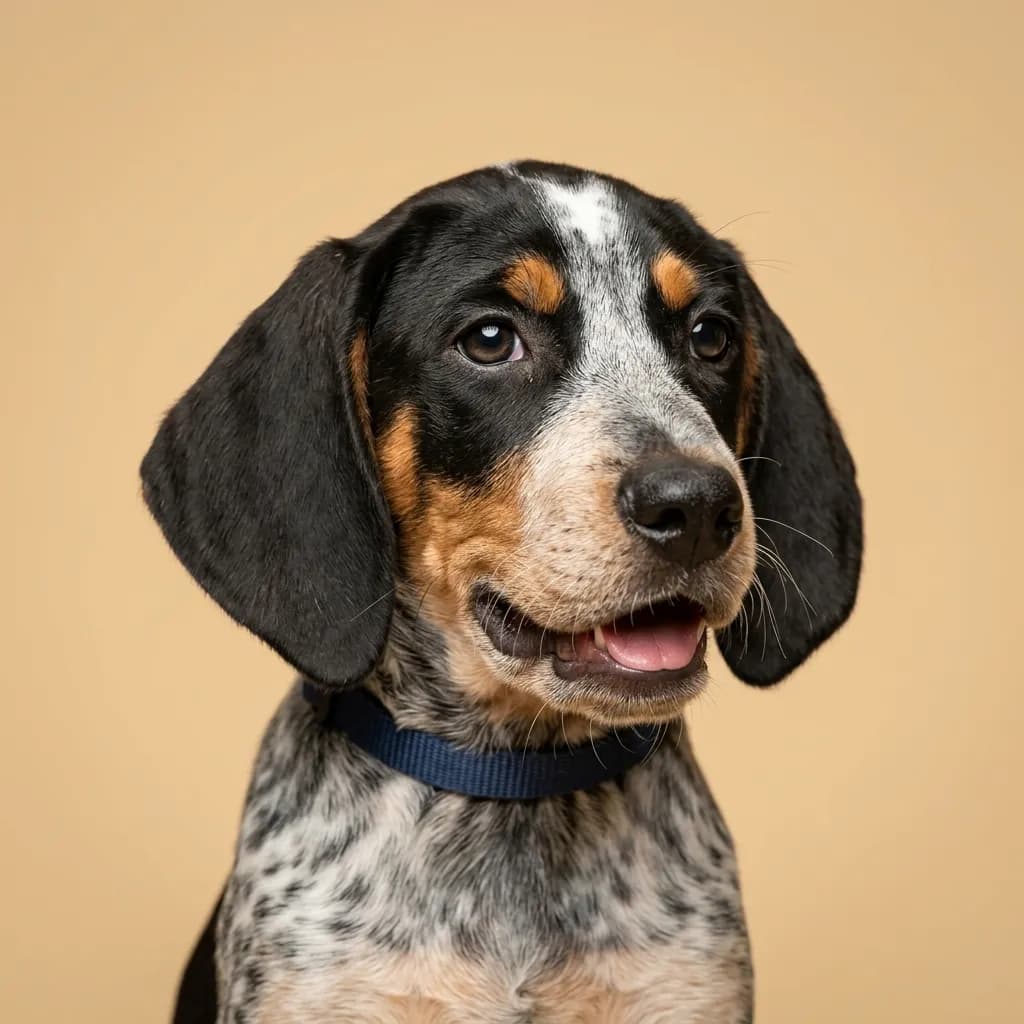
American English Coonhound
Hound Group
American Foxhound
Hound Group
Basset Fauve de Bretagne
Foundation Stock Service
Basset Hound
Hound Group
Bavarian Mountain Scent Hound
Foundation Stock Service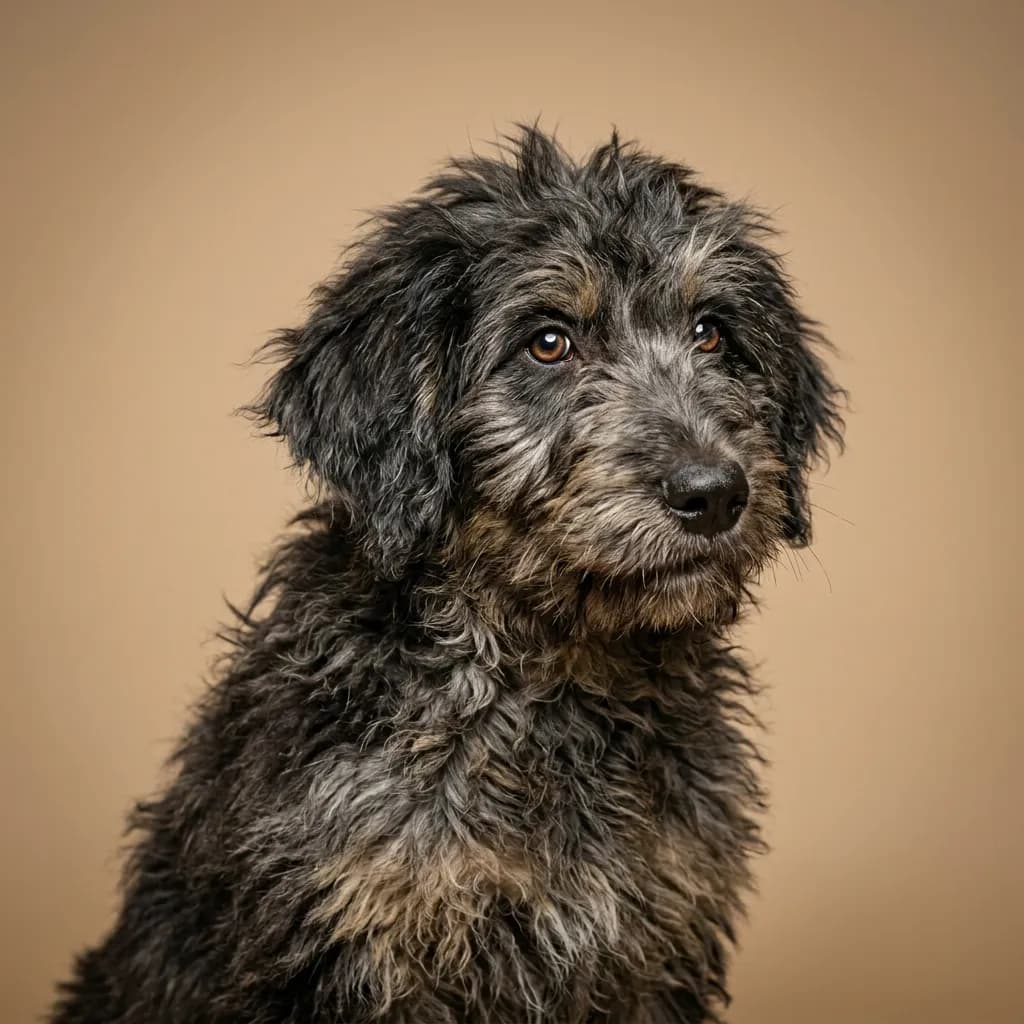
Bergamasco Sheepdog
Herding Group
Black and Tan Coonhound
Hound Group
Broholmer
Foundation Stock Service
Cardigan Welsh Corgi
Herding Group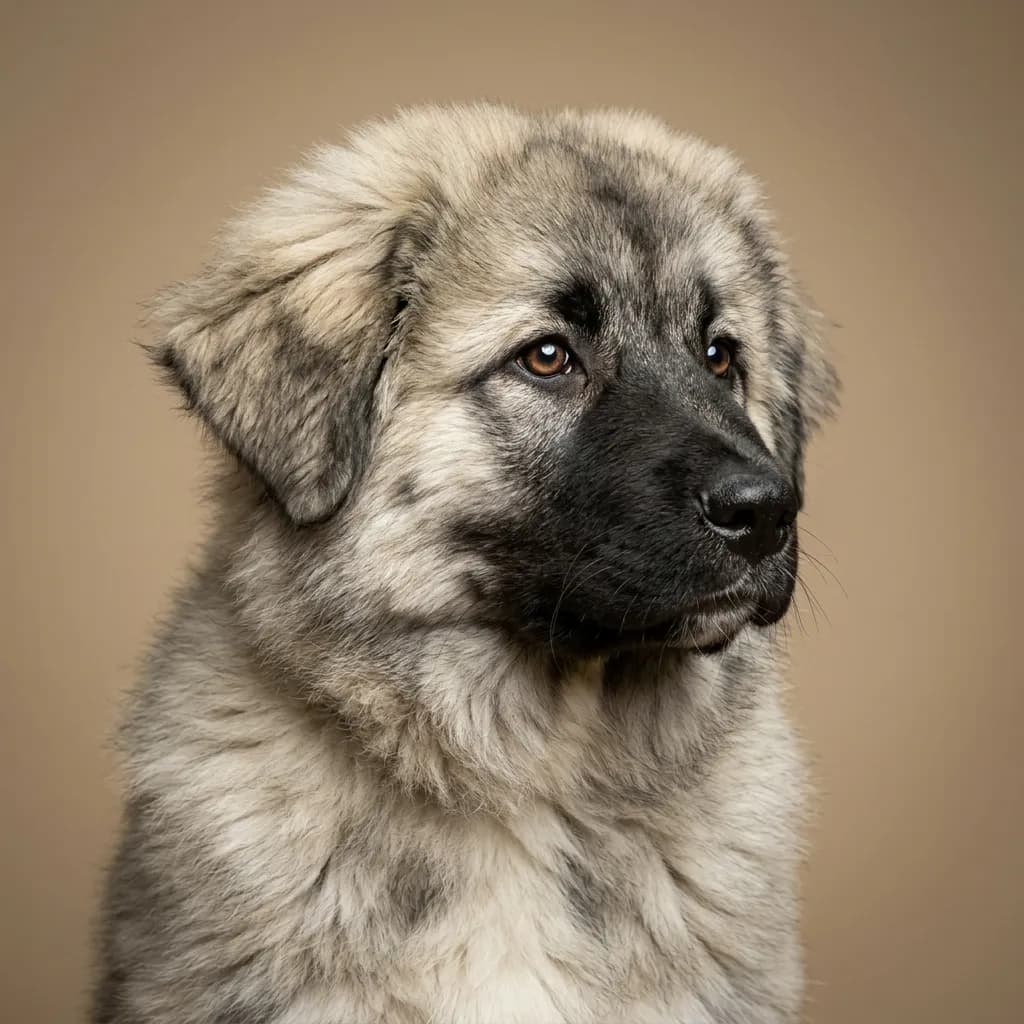
Caucasian Shepherd Dog
Foundation Stock Service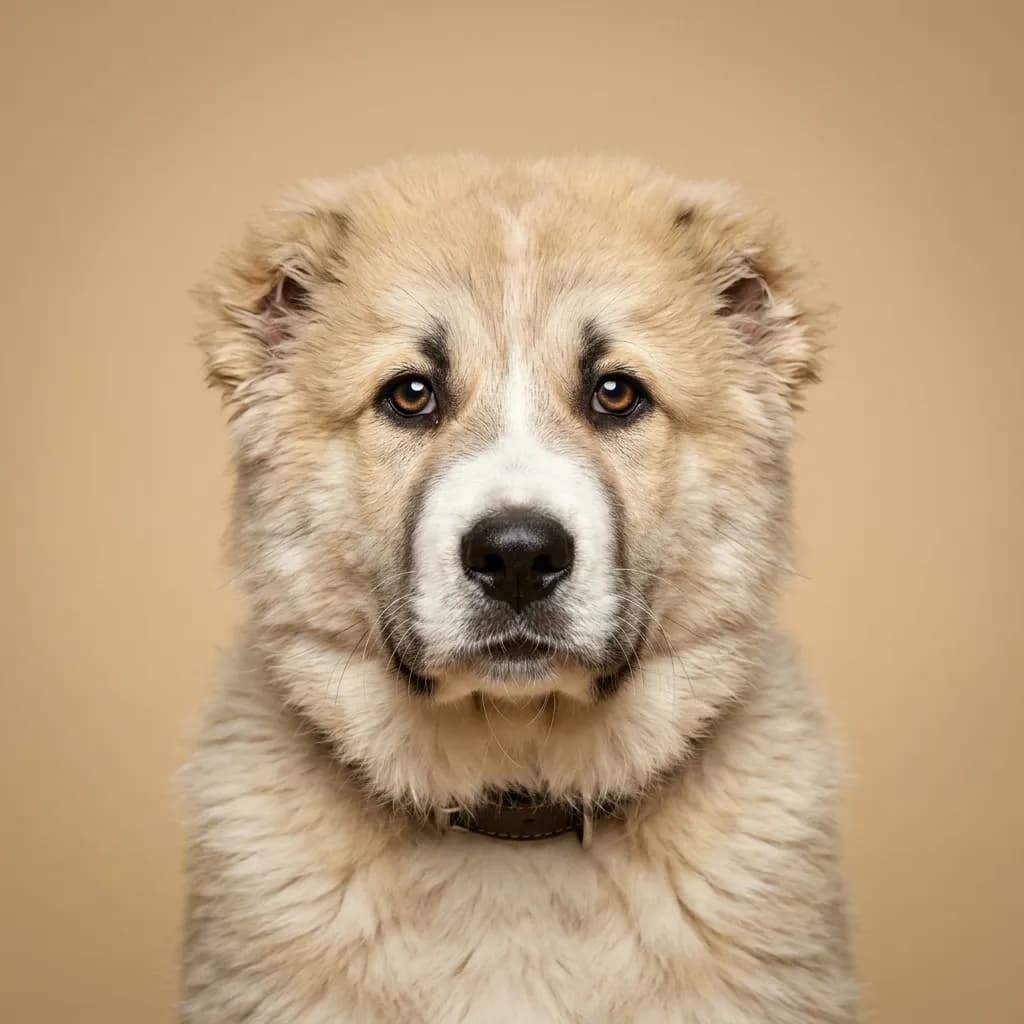
Central Asian Shepherd Dog
Foundation Stock Service
Dachshund
Hound Group
Drever
Foundation Stock Service
Hanoverian Scenthound
Foundation Stock Service
Labrador Retriever
Sporting Group
Rafeiro do Alentejo
Foundation Stock Service
Redbone Coonhound
Hound Group
Romanian Mioritic Shepherd Dog
Foundation Stock Service
Segugio Italiano
Foundation Stock Service
Sussex Spaniel
Sporting Group
Tornjak
Foundation Stock Service