Bavarian Mountain Scent Hound
A specialist's dog — bred specifically to track wounded game through mountain terrain, and deeply focused on that task. Loyal and reserved, particularly with strangers, and genuinely excellent in the field with a skilled hunter. Rarely seen outside hunting communities, and not a great fit for non-sporting households.

Free weekly training plan, specific to your Bavarian Mountain Scent Hound’s age. Exactly what to focus on this week.
Get your free training planLiving with a Bavarian Mountain Scent Hound
The Bavarian Mountain Scent Hound isn’t a designer breed or a social media sensation. It’s a working dog built for one job, tracking wounded game across rugged alpine terrain in Germany, and it does that job with a quiet intensity most urban dogs have never felt. Recognized by the AKC’s Foundation Stock Service but not yet fully in the standard lineup, this breed carries centuries of purpose in its lean frame and focused gaze.
You won’t see them in dog parks or coffee shops, and that’s not an accident. Living with one means embracing routine, activity, and a dog that’s deeply loyal but never overly eager to please strangers. They’re affectionate with their people, yes, and they’ll lean into your leg after a long day, but don’t expect a constant shadow like a Golden Retriever.
They’re reserved, observant, and mentally sharp. This isn’t a breed that settles into couch life. They need daily, purposeful exercise, think long trail hikes, tracking games, or structured off-leash work in secure areas.
Without it, their 4/5 energy turns inward, and boredom leads to stubbornness, not destruction, but it’s still a problem. Grooming is manageable. Their short coat sheds moderately year-round, spiking during seasonal changes.
A quick brush once a week keeps it under control. But their long ears? That’s a grooming reality check.
Prone to infections, they need weekly checks and regular cleaning, especially if you’re hunting or hiking in damp woods. Health-wise, they’re generally solid for a working breed. Lifespan averages 12 to 15 years, but watch for hip dysplasia, eye issues, and hypothyroidism.
Reputable breeders screen for these, so don’t skip vet checks and DNA testing. The price reflects that. $1,500 to $4,000, but a poorly bred one costs more in vet bills down the line.
They’re not for first-time owners. Their trainability is high, but it’s focused. They’ll follow a scent with single-minded determination and ignore your recall if something smells more interesting.
That’s why they’re best for experienced handlers, hunters, or active people in rural homes with secure fencing. Here’s the real talk: most people looking at this breed romanticize the “mountain dog” idea but underestimate the mental demand. This dog isn’t just active, it needs a job.
Give it nothing to solve, and you’ll get silent disapproval, not slobbery enthusiasm.
14 traits, at a glance.
Every breed on PuppyBase is rated across the 14 trait dimensions the American Kennel Club publishes — from trainability to drooling level. The higher the score, the better the fit for that trait.
What to expect day-to-day
Things to screen for
- Hip dysplasia
- Obesity
- eye conditions
- Ear infections
- Hypothyroidism
See a full price breakdown — first-year costs, lifetime estimate, breeder vs. adoption.
Full price guideSimilar breeds
Browse all 200+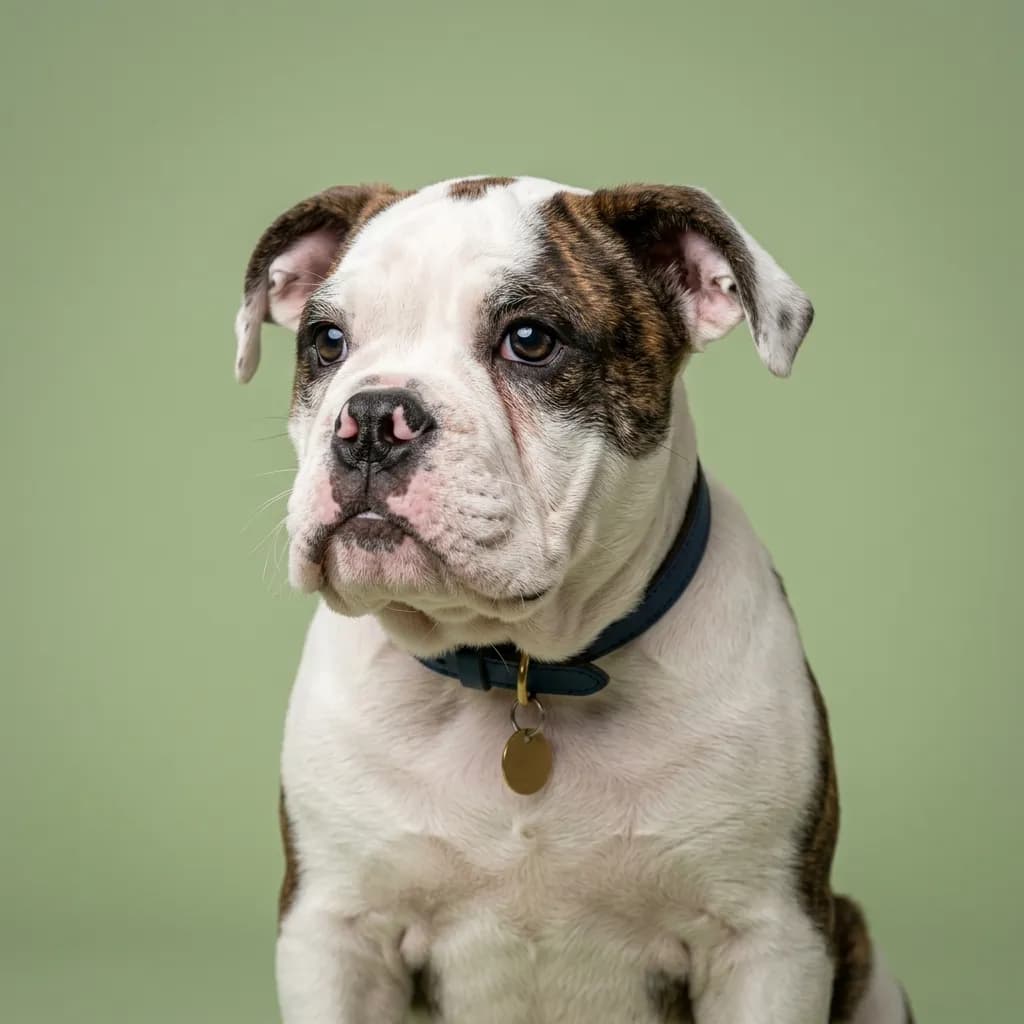

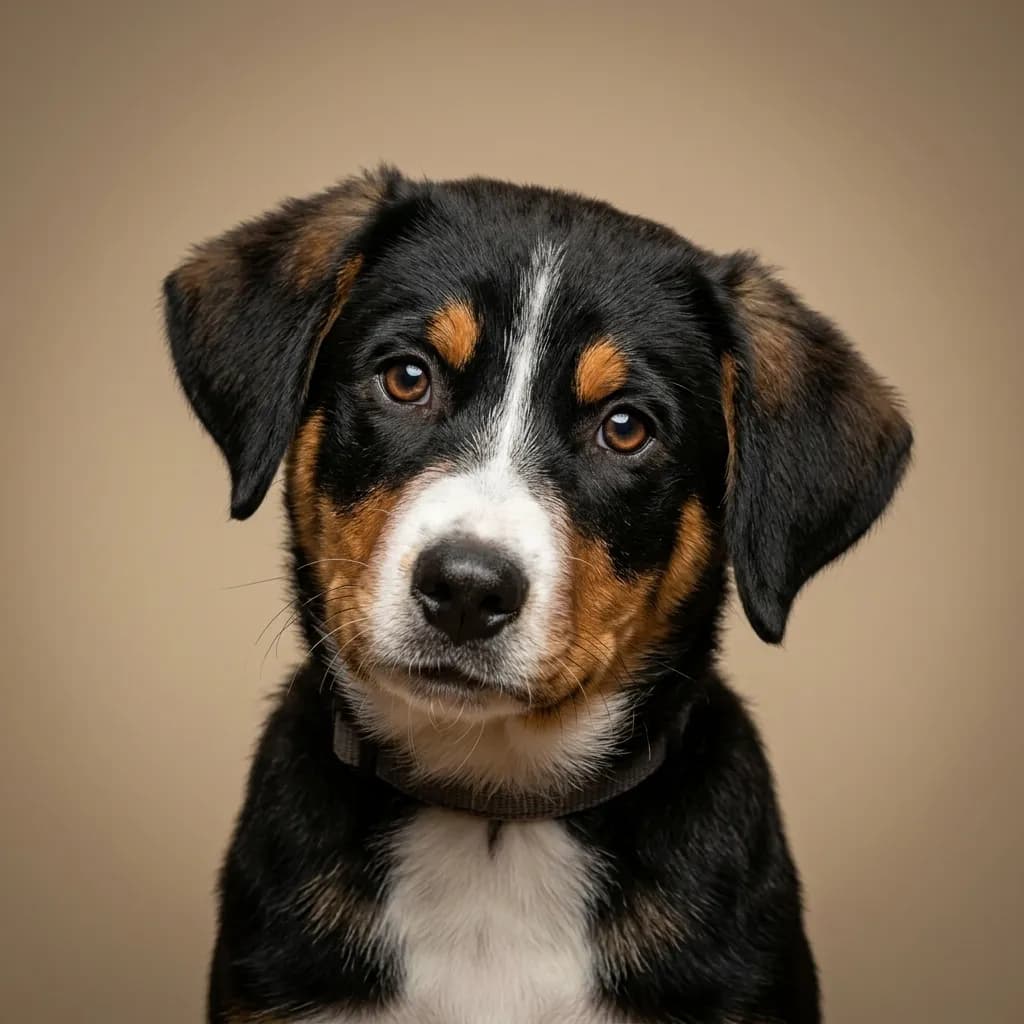
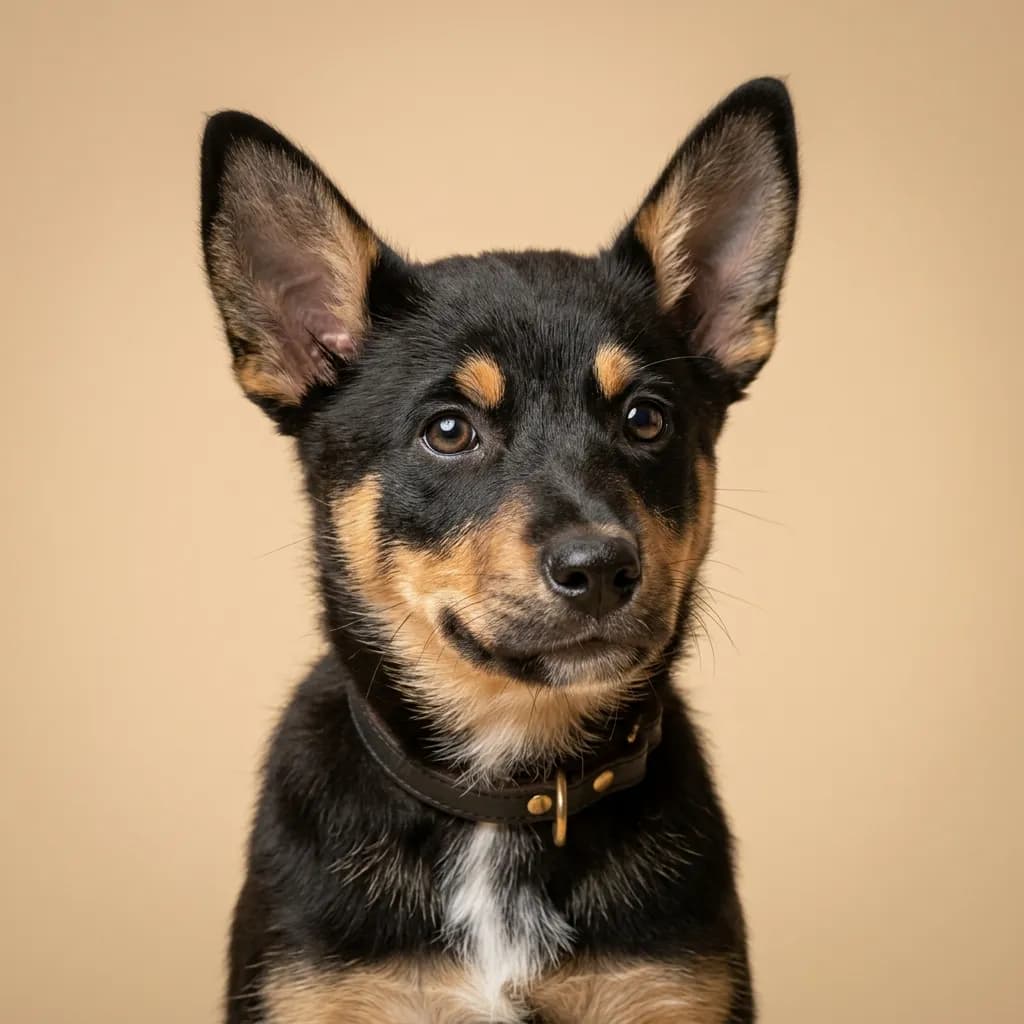
Common questions
How long do Bavarian Mountain Scent Hounds live?
Bavarian Mountain Scent Hounds typically live between 12 and 15 years with proper care.
How much does a Bavarian Mountain Scent Hound puppy cost?
A Bavarian Mountain Scent Hound puppy usually costs between $1,500 and $3,500, with an average price around $2,500.
How much do Bavarian Mountain Scent Hounds shed?
They shed moderately and will need regular brushing, especially during seasonal changes.
What colors do Bavarian Mountain Scent Hounds come in?
They come in biscuit, tan, reddish tan, red, and dark red brindle.
How big do Bavarian Mountain Scent Hounds get?
They stand between 17 and 20.5 inches tall and weigh between 37 and 66 pounds.
Are Bavarian Mountain Scent Hounds smart?
Yes, they are intelligent dogs with strong problem-solving skills, especially when tracking scents.
Are Bavarian Mountain Scent Hounds hypoallergenic?
No, Bavarian Mountain Scent Hounds are not hypoallergenic and do shed moderately.
Are Bavarian Mountain Scent Hounds aggressive?
They are not typically aggressive but tend to be reserved and cautious around strangers.
What health problems are common in Bavarian Mountain Scent Hounds?
Common issues include hip dysplasia, ear infections, eye conditions, hypothyroidism, and obesity.
Do Bavarian Mountain Scent Hounds bark a lot?
No, they are relatively quiet dogs and don’t bark excessively.
Are Bavarian Mountain Scent Hounds easy to train?
Yes, they are highly trainable, especially when working on scent-related tasks, but require experienced handling.
Are Bavarian Mountain Scent Hounds good family dogs?
They can be loyal family members but are best suited to active, experienced households familiar with hunting dogs.
Are Bavarian Mountain Scent Hounds good with cats?
They have a strong prey drive, so early socialization is essential if living with cats.
Are Bavarian Mountain Scent Hounds good hunting dogs?
Yes, they were bred specifically to track wounded game in mountainous terrain and excel in that role.
Can Bavarian Mountain Scent Hounds live in apartments?
No, they need space and mental stimulation, so apartments are not a suitable environment for them.
Are Bavarian Mountain Scent Hounds good first dogs?
No, they are not recommended for first-time owners due to their specialized needs and strong instincts.
Not sure which breed fits your life?
Answer five questions about your home, your schedule, and your tolerance for shedding. We’ll match you to your top three breeds from over 200.