Recall Training
How to teach a reliable “come” and know when to trust it.
Recall is the one command every dog owner wants but few actually achieve. You’ve seen it happen. You’re in the park, feeling proud because your dog has been off leash for ten whole minutes, and then—a squirrel. Or another dog. Or a particularly interesting smell in the grass. You call. You plead. You repeat their name like a mantra. They glance your way, maybe even take a half-step, and then bolt in the opposite direction. It’s frustrating, it’s scary, and if you’re being honest, it makes you question whether training is even worth it.
But here’s the truth: recall isn’t broken because you’re a bad trainer. It’s hard because biology is working against you. And the good news? It can be built—but only if you understand what you’re really asking of your dog and how to make coming back to you more rewarding than whatever they’re chasing.
Why Recall Is the Hardest Command
Every other command—sit, stay, down—happens in your orbit. Your dog is already near you, focused on you. Recall is the opposite. It demands that your dog abandon something exciting, often mid-chase, and choose you instead. That’s a huge ask. You’re not just competing with you’re competing with evolution. A Beagle’s nose detects 230 million scent receptors. A Border Collie’s instinct to chase movement is hardwired from centuries of herding. You’re asking them to override millions of years of survival wiring.
And yet, it’s also the most critical command you’ll ever teach. A solid recall can stop your dog from darting into traffic, charging an aggressive dog, or disappearing into the woods. It’s not just convenience—it’s safety. But most people ruin it before it even starts. They call the dog, and then immediately do something the dog hates: ending play, putting them in the crate, giving a bath, clipping nails. Over time, the dog learns that "come" means fun ends. No amount of training can fix that association unless you rebuild it from scratch.
The Foundation: Making "Come" the Best Word in the World
If you want a reliable recall, you have to make coming to you the single most rewarding thing your dog can do. Period. Start indoors, in a quiet room, no distractions. Use their name followed by "come!"—like "Max, come!"—and say it only once. The second they turn toward you, mark it with a click or a "yes!" and deliver a high-value treat immediately. We're talking boiled chicken, real cheese, freeze-dried liver—not kibble.
Reward every single time. No exceptions. This is not the command to save treats for or practice delayed gratification. You're building a reflex, not a habit. Do this 10 to 15 times a day in 30-second bursts. Keep it fun, fast, and positive. Your dog should start looking for you the second they hear their name, tail wagging, because they know magic happens when they come.
Use this phase to build speed and enthusiasm. If your dog trots, reward bigger. If they sprint, go all out. Celebrate like they just won the lottery. This emotional association—coming to you equals the best thing ever—is what will carry them through distractions later.
Building Distance and Distraction (The 3 D's)
Once your dog is slamming into your legs indoors, it’s time to scale. But you don’t do it all at once. You follow the 3 D’s: Distance, Duration, and Distraction. And you only change one at a time.
Start with distance. Move from three feet to across the room. Then to another room. Then outside in the backyard—but on a leash. Gradually increase to 20, then 50 feet. Use a long line—a 15 to 30 foot leash—for outdoor practice. This gives your dog freedom while keeping you in control. If they ignore the recall, you can gently reel them in without yelling or chasing.
Do not add duration yet. Don’t ask for a "stay" and then call. That’s advanced stuff. First, make sure the recall itself is bulletproof in low-distraction environments.
Then, slowly add distraction. Start with a toy on the floor. Then a person standing nearby. Then another dog at a distance. Always keep the long line on during outdoor drills. If your dog blows you off, the distraction is too high. Scale back. Remember: if they don’t respond, it’s not disobedience. It means the environment is too much, or the reward isn’t good enough.
The Emergency Recall
This is your nuclear option. Pick a word you never use in everyday life—like "here now!" or "emergency!"—and reserve it only for true crises. Train it the same way as regular recall, but with absurdly high-value rewards: real steak, a stuffed Kong, a favorite toy with squeaker action. Practice it 2 to 3 times a week in easy situations so the dog remembers it, but never use it for routine recalls.
The goal is to make this word so powerful that even in high-distraction scenarios, your dog drops everything. But if you use it every time they’re in the backyard, it loses its punch. Save it for when they’re headed toward a busy street, tangled in bushes, or about to get into a fight. Once used, recharge it immediately with a massive reward so the association stays strong.
What NOT to Do
There are a few cardinal sins in recall training, and most people commit at least one without realizing it.
Never call your dog to end something fun. If you always call them to leave the dog park, they’ll learn that "come" means playtime is over. Instead, end play by walking away or using a treat trail to lure them out. Or better yet, call them, reward heavily, and then let them go back to play. That way, coming to you isn’t the end—it’s a pit stop on the way to more fun.
Never repeat the command. If you say "come, come, come, come!" and they finally respond on the fourth try, you’ve taught them to ignore the first three. Say it once. If they don’t respond, either the distraction is too high, or the behavior isn’t trained enough. Go back a step.
Never punish a dog who finally comes. Even if they took five minutes, even if you’re stressed or scared—celebrate. Yelling or scolding destroys trust. They came. That’s the win. Build on it.
And never chase a dog who won’t come. It turns recall into a game of tag. Instead, run the other way. Most dogs will chase you. Or drop a treat, turn your back, and wait. Be the fun one, not the pursuer.
Breed Reality Check
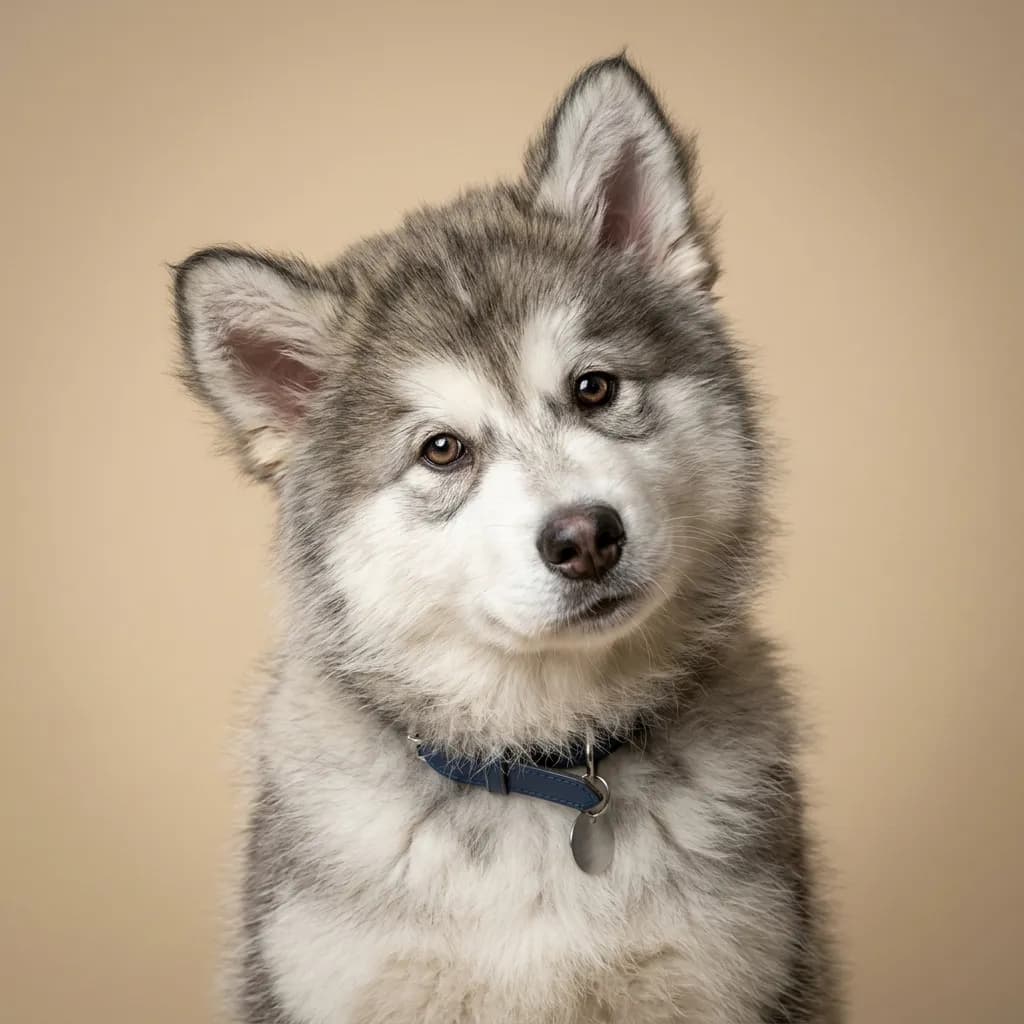
Let’s be real: not every dog is built for off-leash reliability. Breeds like Beagles, Basset Hounds, Siberian Huskies, and most sighthounds were bred to work independently, often at a distance, following their instincts. A Beagle’s job was to track game for hours, ignoring their handler. That doesn’t make them stubborn—it makes them good at what they were designed to do.
So if you have a breed like this, don’t beat yourself up. You can still build a strong recall, but it will never be 100% reliable in high-distraction environments. A rabbit will always win. And that’s okay. A long line isn’t failure. It’s responsible dog ownership.
On the flip side, breeds like Golden Retrievers, Labs, Border Collies, and Vizslas tend to have higher natural recall because they’re bred to work closely with people and retrieve on command. But even they need training. Genetics help, but they don’t replace it.
Know your dog’s breed tendencies. Work with them, not against them. And remember: every dog, no matter the breed, can have a better recall with consistent, positive training. It just might look different depending on who they are.
Recall Reliability by Breed Type
High Reliability
Naturally responsive, strong recall candidates
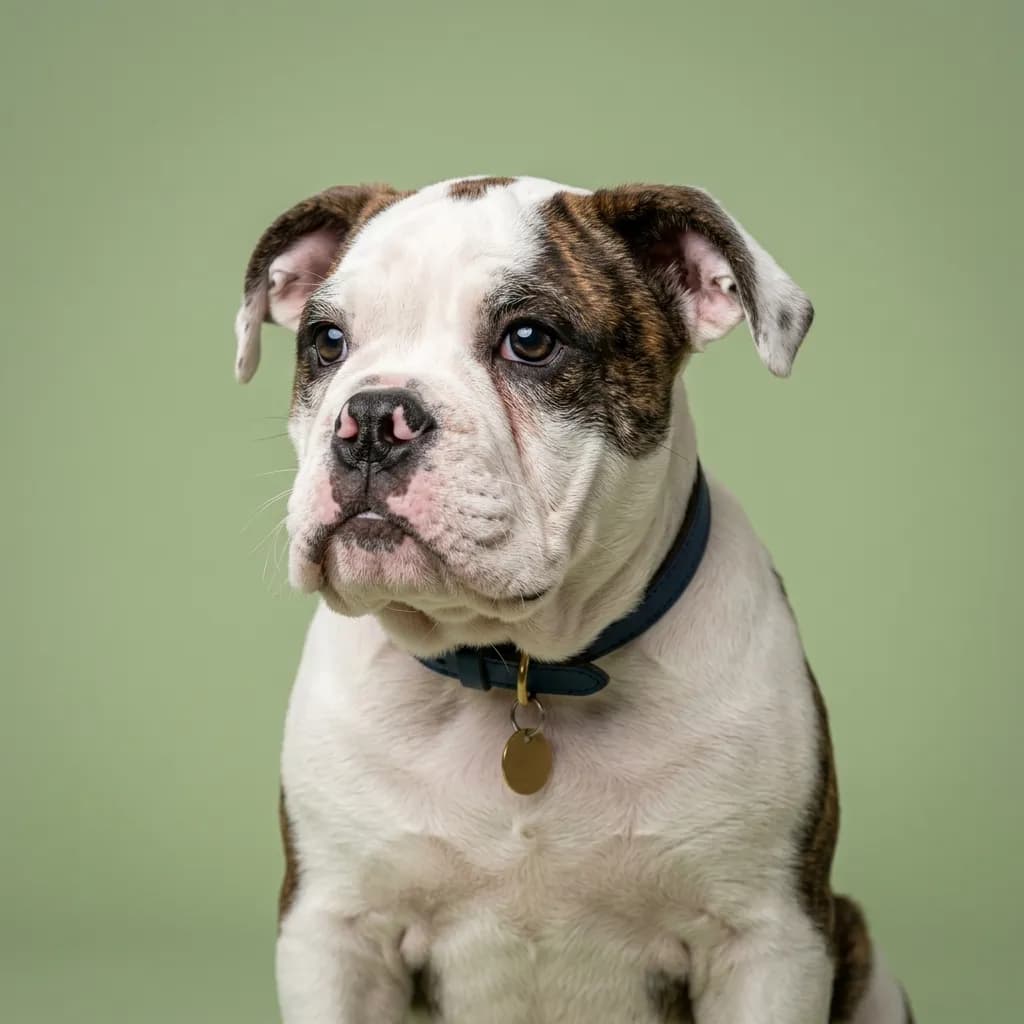


Moderate Reliability
Reliable with consistent training




Independent / Challenging
Long line recommended; manage, don’t fight genetics




You don’t need more tabs open. You need one trustworthy source.
Tell us your breed and your puppy’s age. We’ll tell you exactly what to focus on this week. One email. One priority. That’s it.
Tell us your breed and your puppy’s age. We’ll send you exactly what to work on this week.