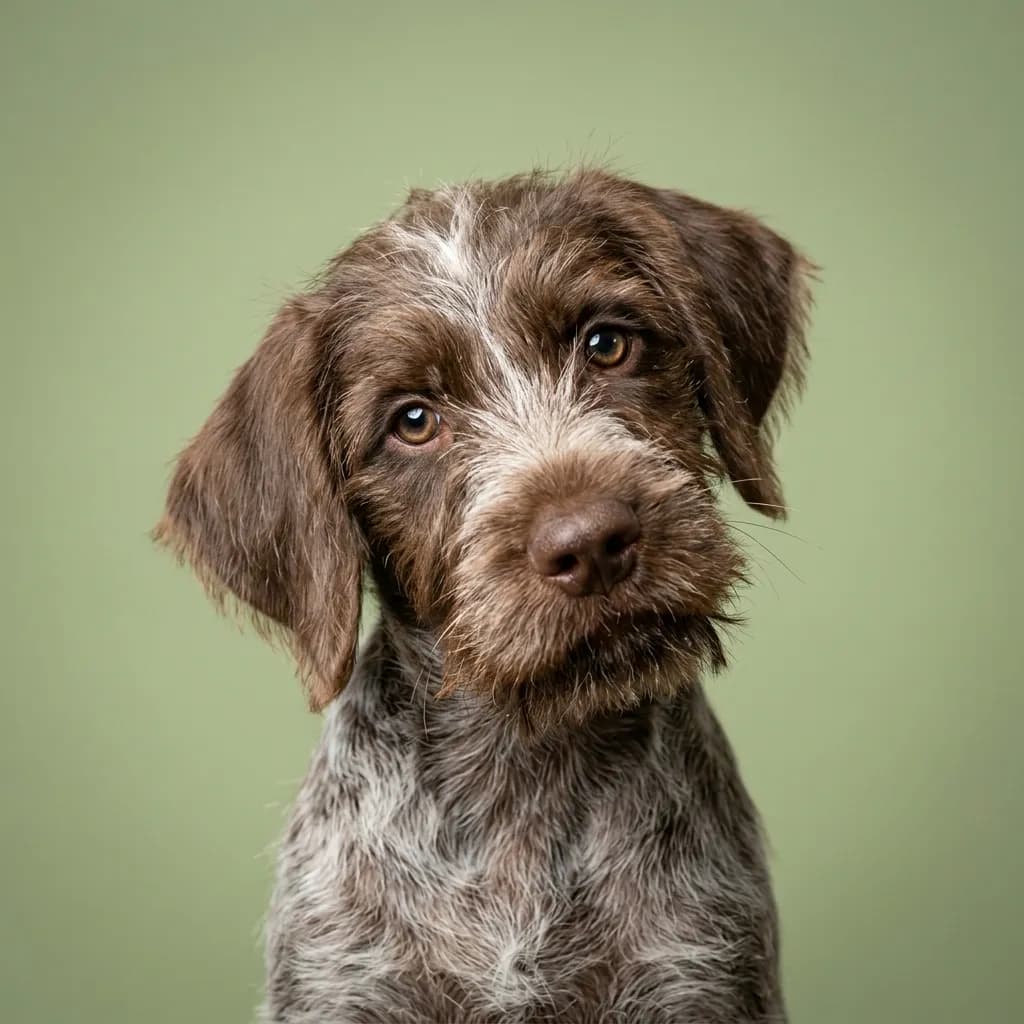
Elbow Dysplasia
What It Is
Elbow dysplasia isn’t just one issue—it’s an umbrella term for a group of developmental problems in a dog’s elbow joint that usually show up in young, fast-growing dogs. Think of it like a puzzle where the three bones in the elbow (the humerus, radius, and ulna) don’t fit together smoothly. This mismatch causes abnormal stress, inflammation, and eventually arthritis. It’s one of the most common causes of forelimb lameness in large and giant breeds, and once it starts, it’s progressive. Even with treatment, many dogs develop some level of lifelong joint degeneration. It’s largely genetic, though factors like rapid growth, diet, and over-exercise can make it worse. The Orthopedic Foundation for Animals (OFA) has recorded elbow dysplasia in 56 different breeds, so this isn’t a rare fluke—it’s a real concern if you’re looking at big or working dogs.
Symptoms to Watch For
You’ll usually start noticing signs between 4 and 10 months of age, though some dogs don’t limp until they’re older and arthritis sets in. The classic red flag is front-leg lameness that gets worse after exercise—your pup might bunny-hop, hold a leg slightly out to the side, or seem stiff after napping. They may struggle to rise, avoid stairs, or show reluctance to play. One or both front legs can be affected, and symptoms might seem mild at first. Don’t brush it off as “puppy clumsiness.” If your Bernese Mountain Dog or Belgian Malinois is consistently favoring a leg, it’s worth a vet visit. Left untreated, the limping worsens, muscle loss can occur in the affected limb, and pain becomes chronic.
Diagnosis
Your vet will start with a physical exam, checking for pain, swelling, or reduced range of motion in the elbow. But the real confirmation comes from imaging. X-rays are the first step, but they don’t always catch early changes. That’s where CT scans or arthroscopy (a tiny camera inserted into the joint) come in—they’re more accurate, especially for subtle lesions. Most reputable breeders will have OFA elbow evaluations done, which involve sedated x-rays scored by veterinary radiologists. A dog needs a score of "normal" (Grade 0) to be considered clear. Mild dysplasia (Grade I) still carries risk of passing the trait to offspring. The cost for a full elbow X-ray series with sedation runs $200–$400; CT scans can push $800–$1,500 depending on the clinic.
Treatment Options
Treatment depends on severity, age, and lifestyle. For mild cases, conservative management—weight control, joint supplements like glucosamine and chondroitin, anti-inflammatory meds (like carprofen), and physical therapy—can help manage pain and slow progression. But if there’s a mechanical problem like a fragmented coronoid process (the most common form), surgery is usually recommended. Arthroscopic removal of damaged cartilage or bone fragments gives the best outcome, especially in dogs under a year old. More complex procedures like sliding humeral osteotomy (SHO) are used in severe cases. Surgery costs range from $1,500 to $4,000 per elbow—yep, it adds up, especially if both sides are affected. Even with surgery, long-term management is often needed, and arthritis can still develop.
Prevention and Screening
Here’s the truth: you can’t prevent elbow dysplasia if the genes are there. But you can stack the odds in your favor. Always buy from breeders who provide OFA-certified elbow clearances on both parents—ask for the numbers, don’t just take their word. Avoid overfeeding large-breed puppies; rapid growth increases risk. Feed a balanced large-breed puppy formula that supports steady development, not explosive growth. Limit high-impact exercise (like jumping from heights) before skeletal maturity. And get your puppy’s elbows screened with X-rays around 24 months—the OFA’s recommended age for final evaluation. That screening might cost a few hundred bucks, but it’s a fraction of surgery.
Breeds Most at Risk
The breeds most commonly affected are large and working types. The OFA data shows the highest concentration in the Foundation Stock Service (21 breeds), which includes many emerging or rare herding and livestock guardian dogs not yet fully standardized. The Working Group follows close behind with 14 at-risk breeds—think Bernese Mountain Dogs, Bouviers, and Boerboels. Herding breeds like the Belgian Malinois and Australian Cattle Dog make up 8 of the list, likely due to their intense physical demands. Sporting and Hound groups have fewer, but still notable cases. If you’re considering an Anatolian Shepherd, Black Russian Terrier, or American Bulldog, elbow screening isn’t optional—it’s essential. Don’t skip it. Your dog’s comfort—and your wallet—depend on it.
Breeds commonly affected
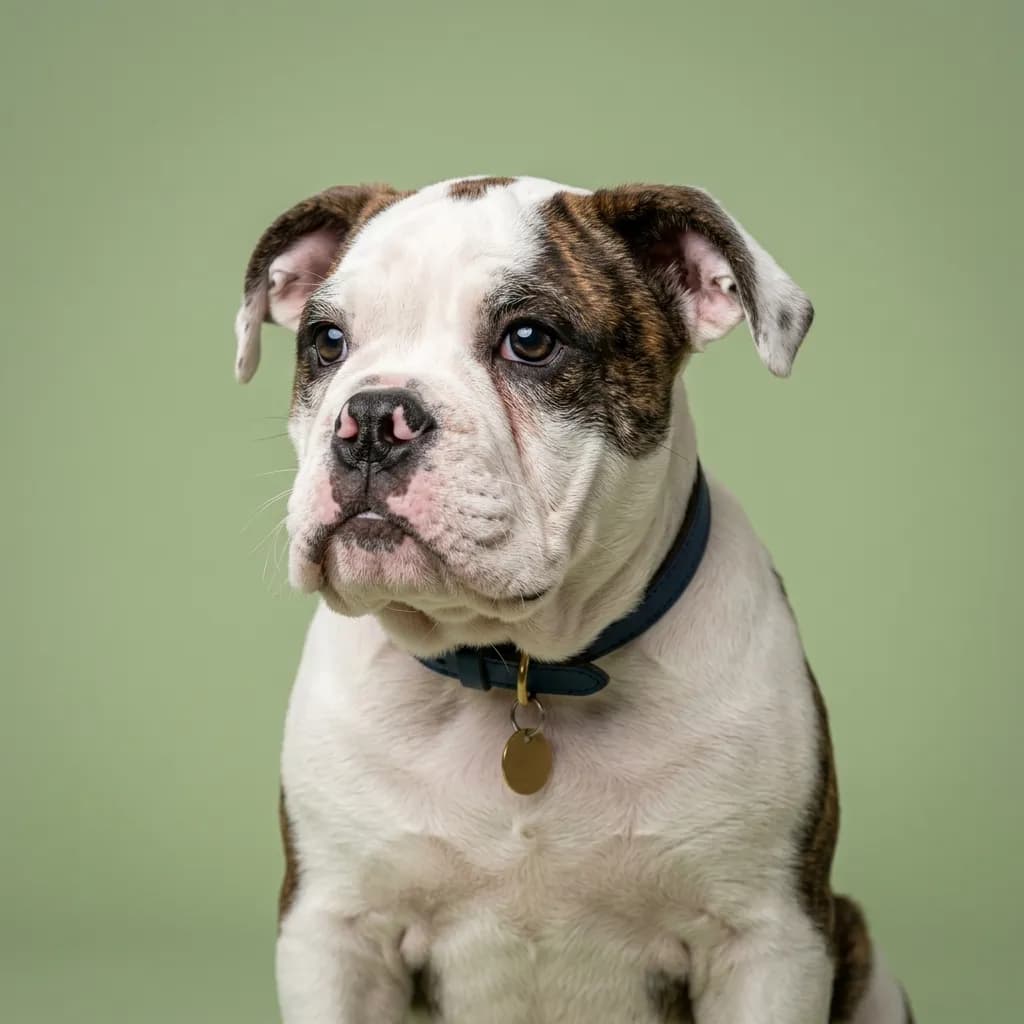
American Bulldog
Foundation Stock Service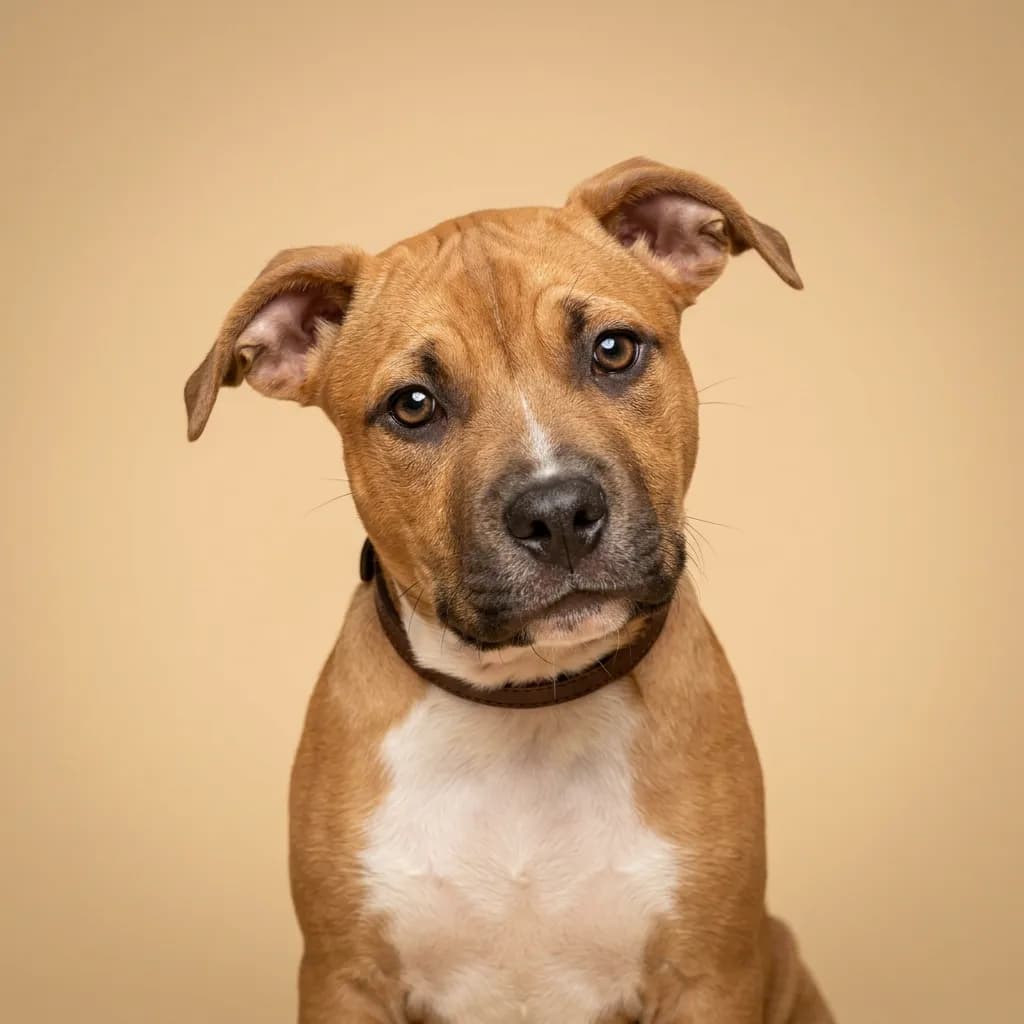
American Staffordshire Terrier
Terrier Group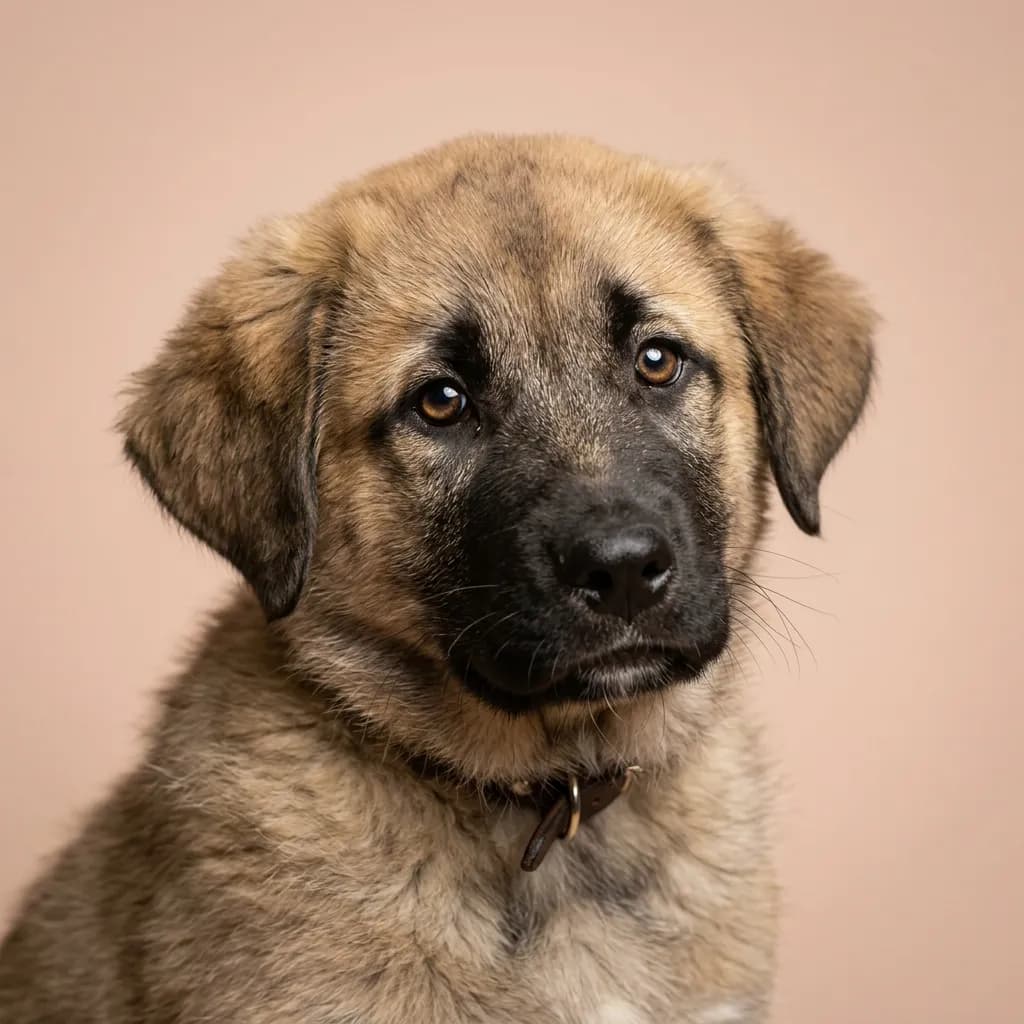
Anatolian Shepherd Dog
Working Group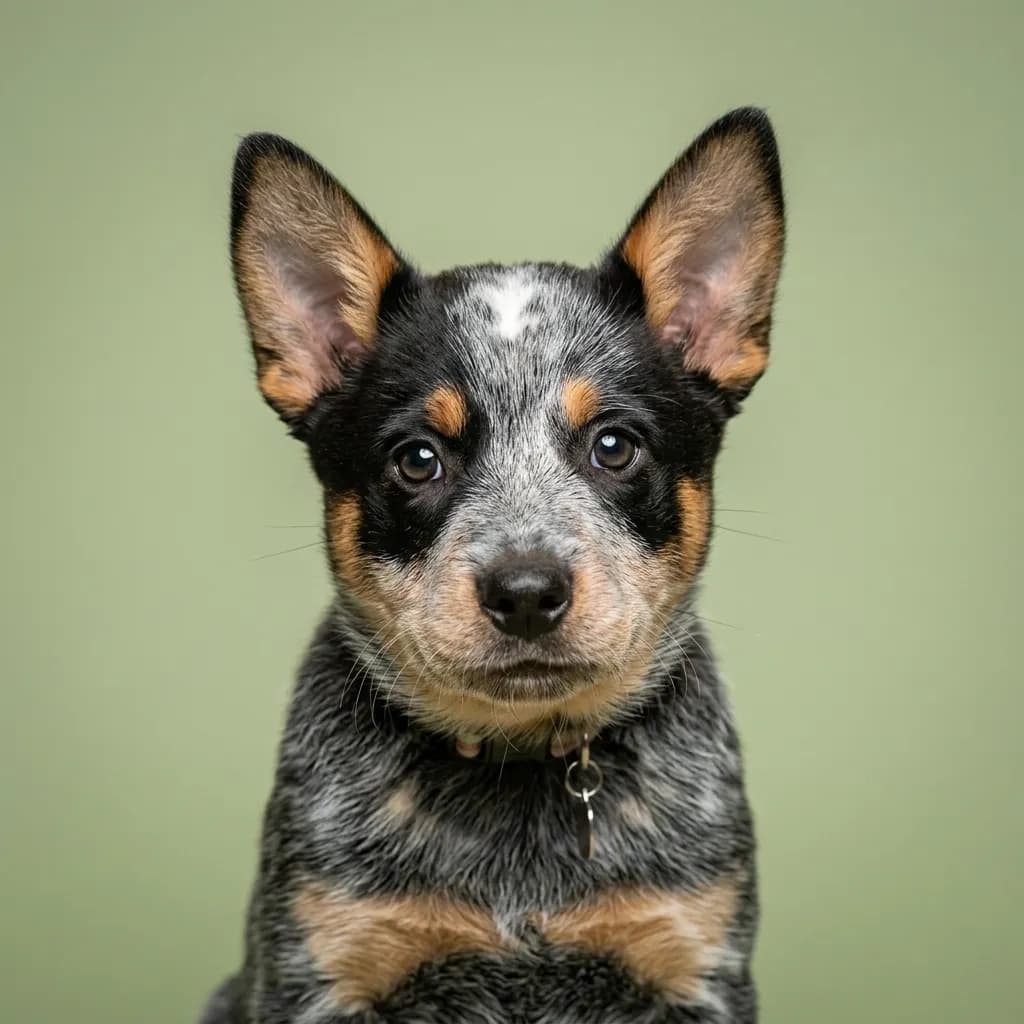
Australian Cattle Dog
Herding Group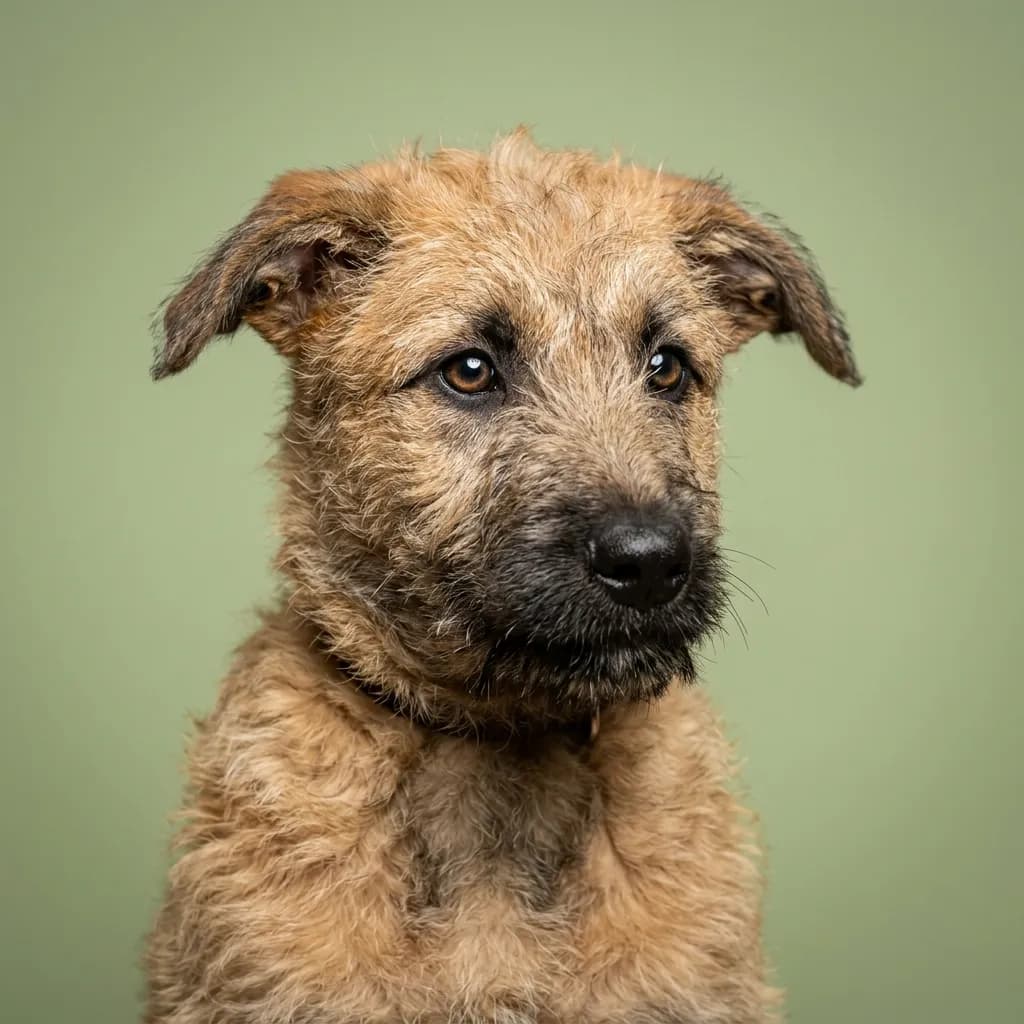
Belgian Laekenois
Miscellaneous Class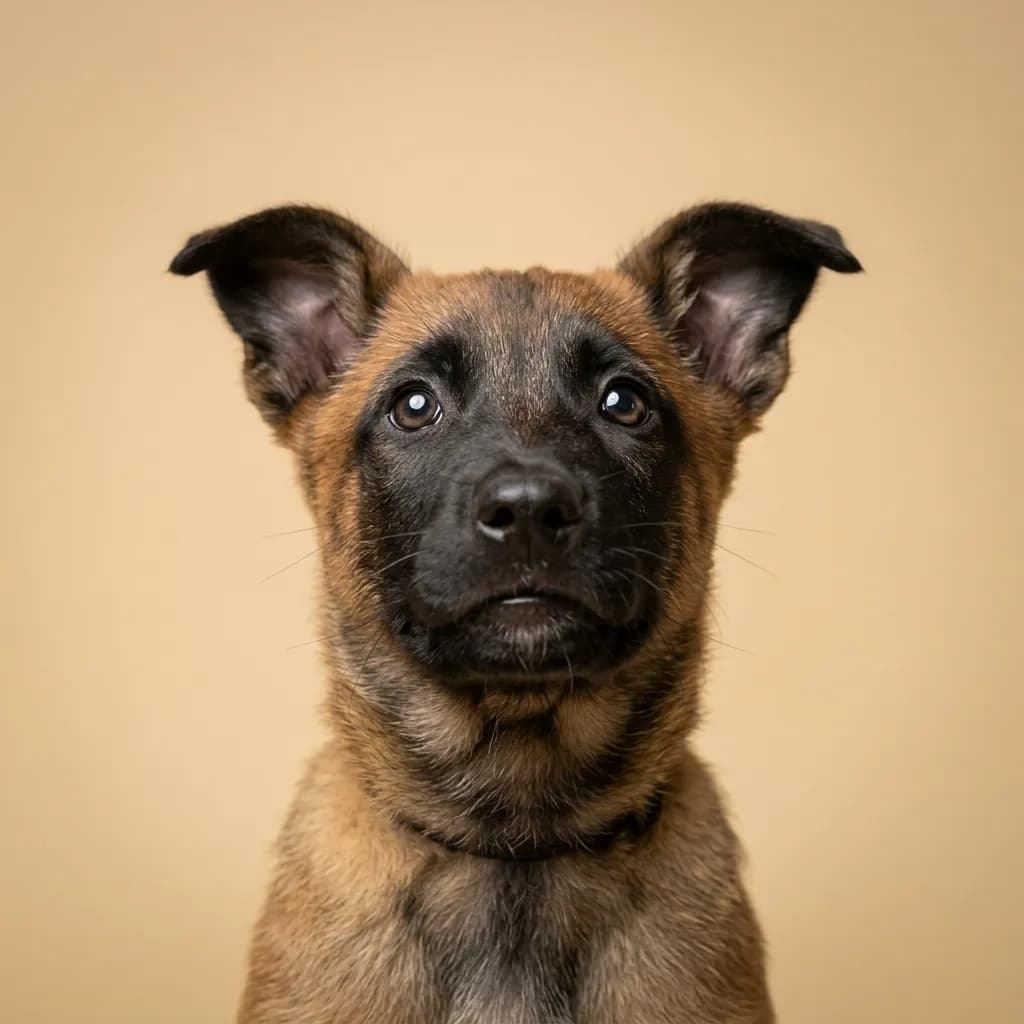
Belgian Malinois
Herding Group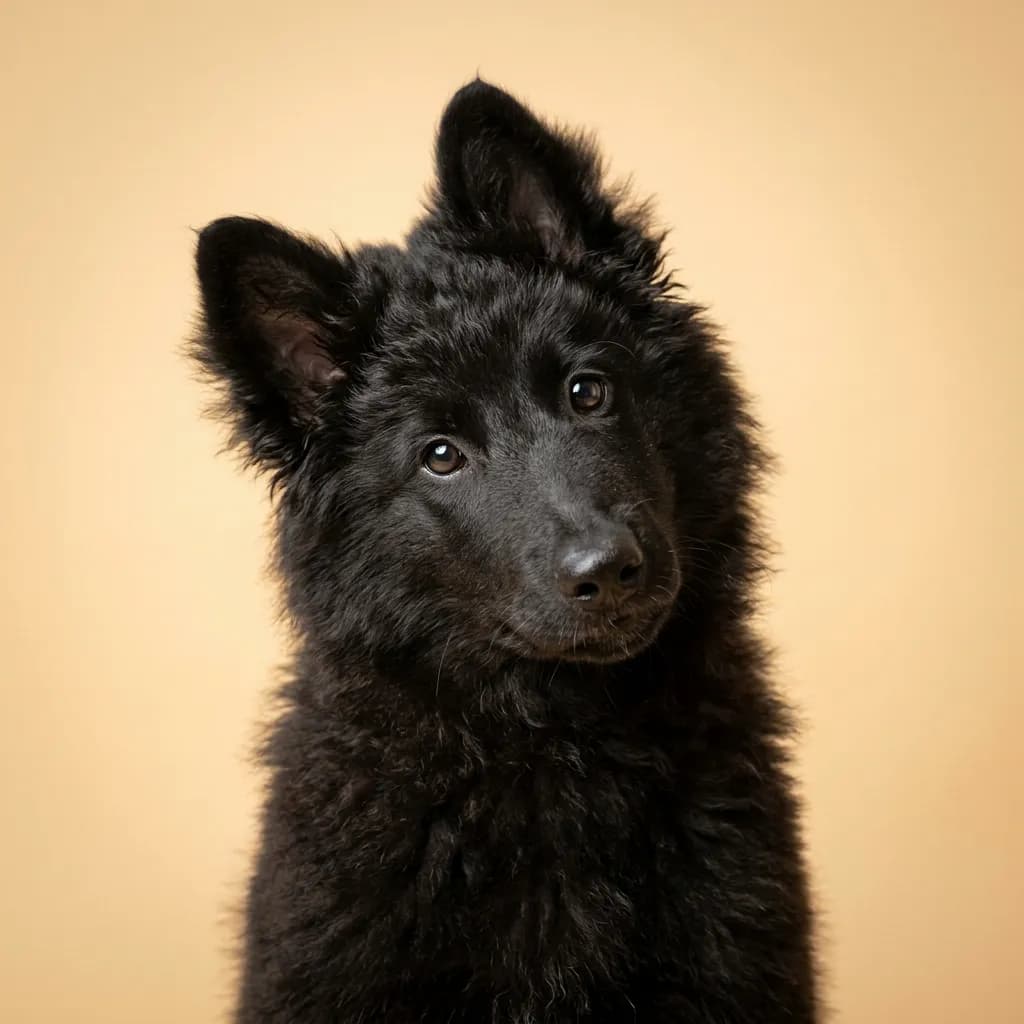
Belgian Sheepdog
Herding Group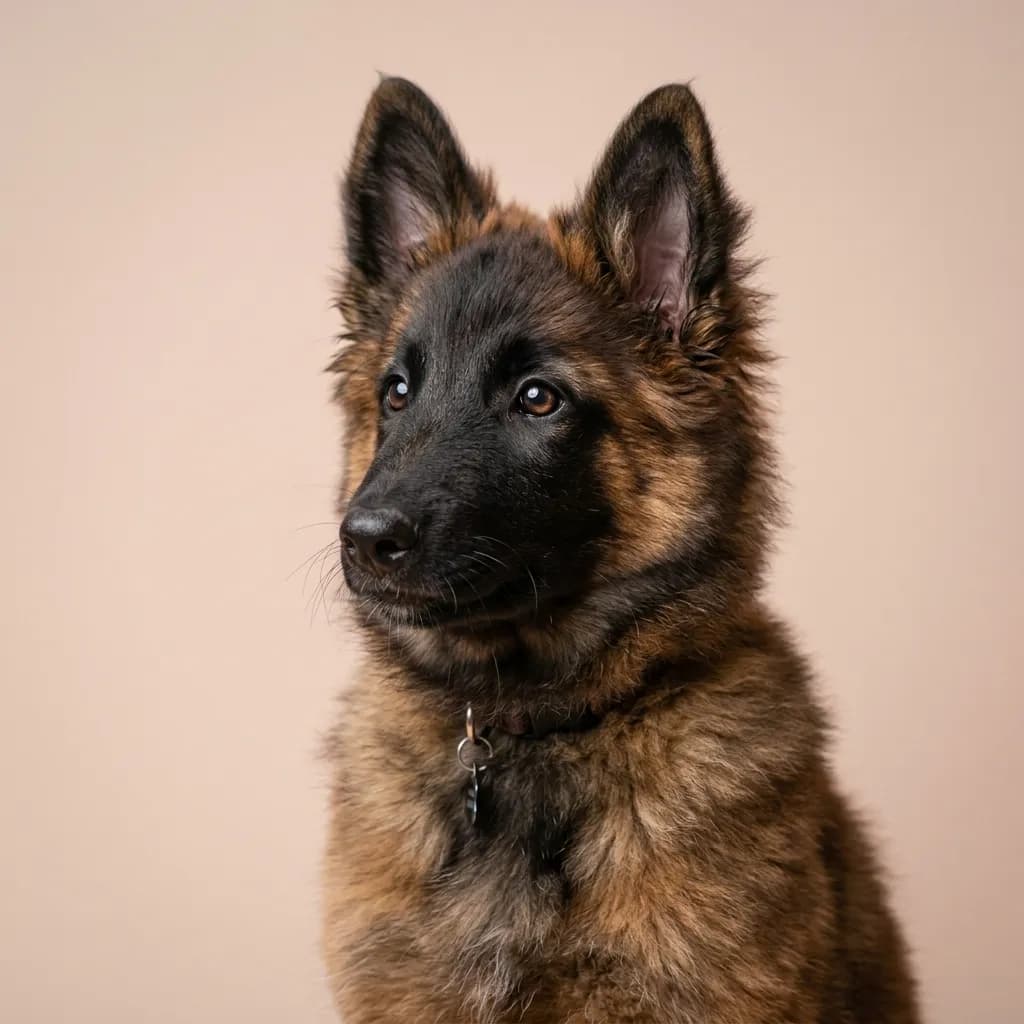
Belgian Tervuren
Herding Group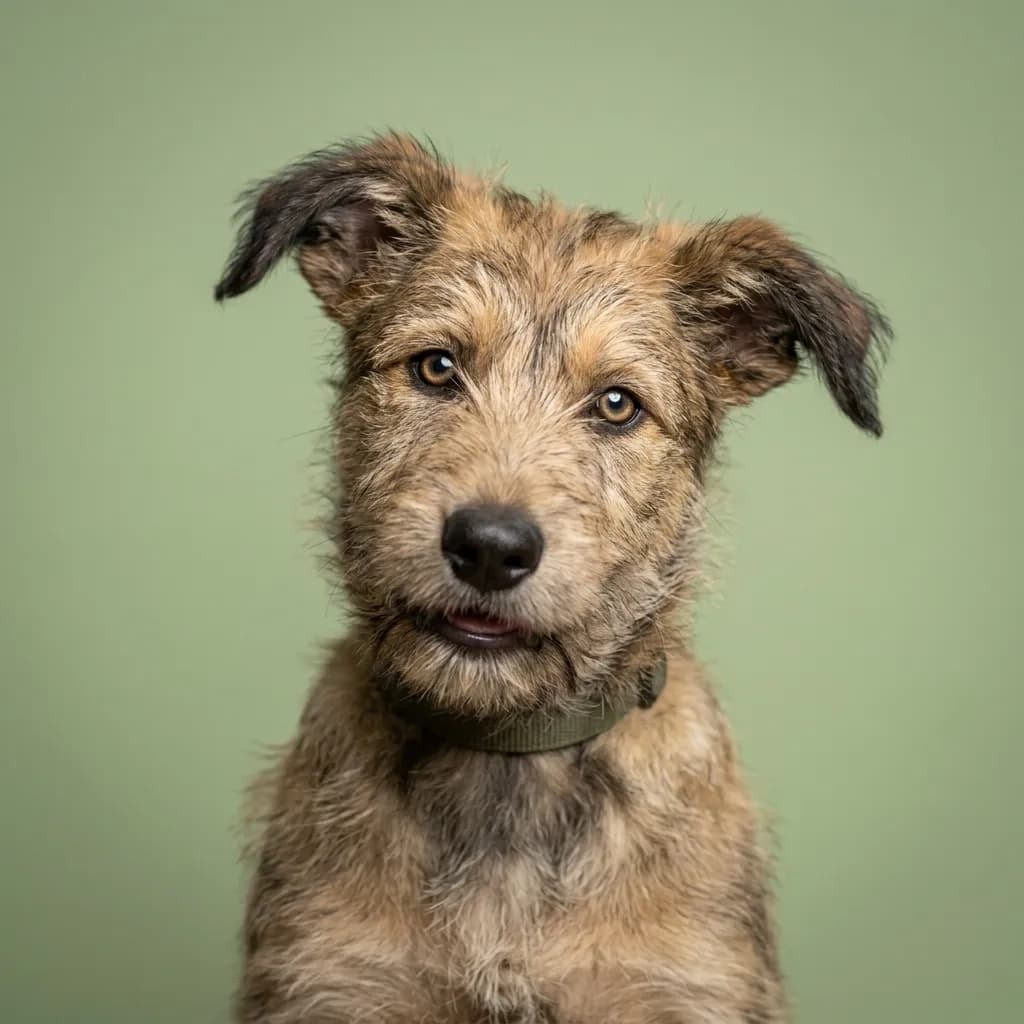
Berger Picard
Herding Group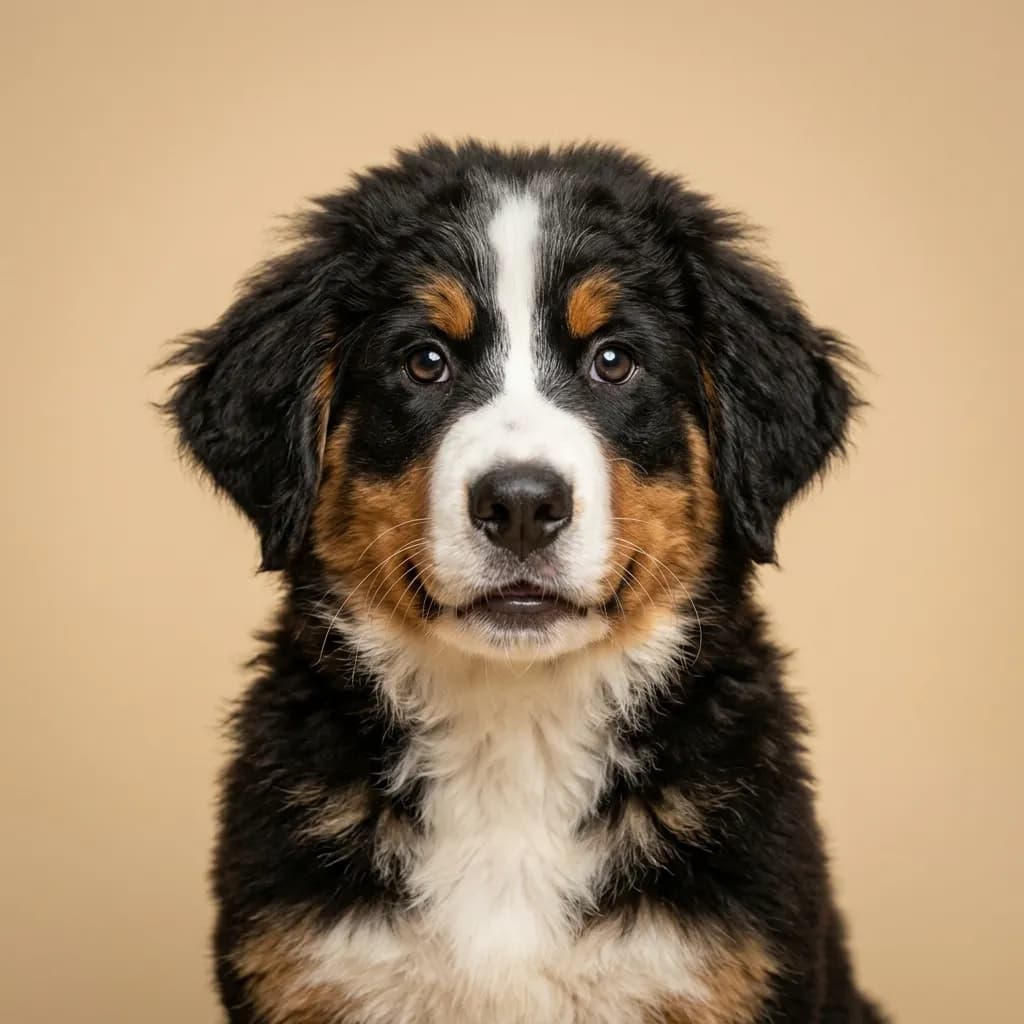
Bernese Mountain Dog
Working Group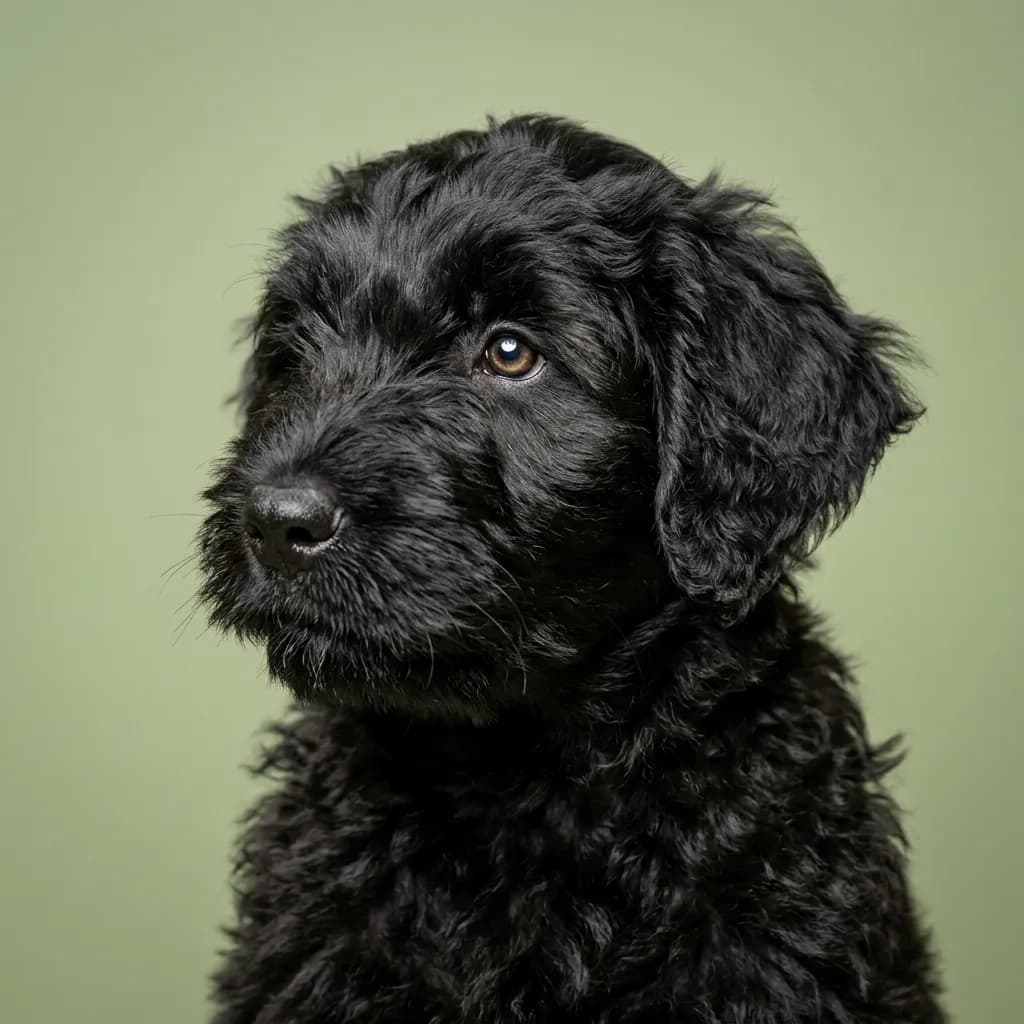
Black Russian Terrier
Working Group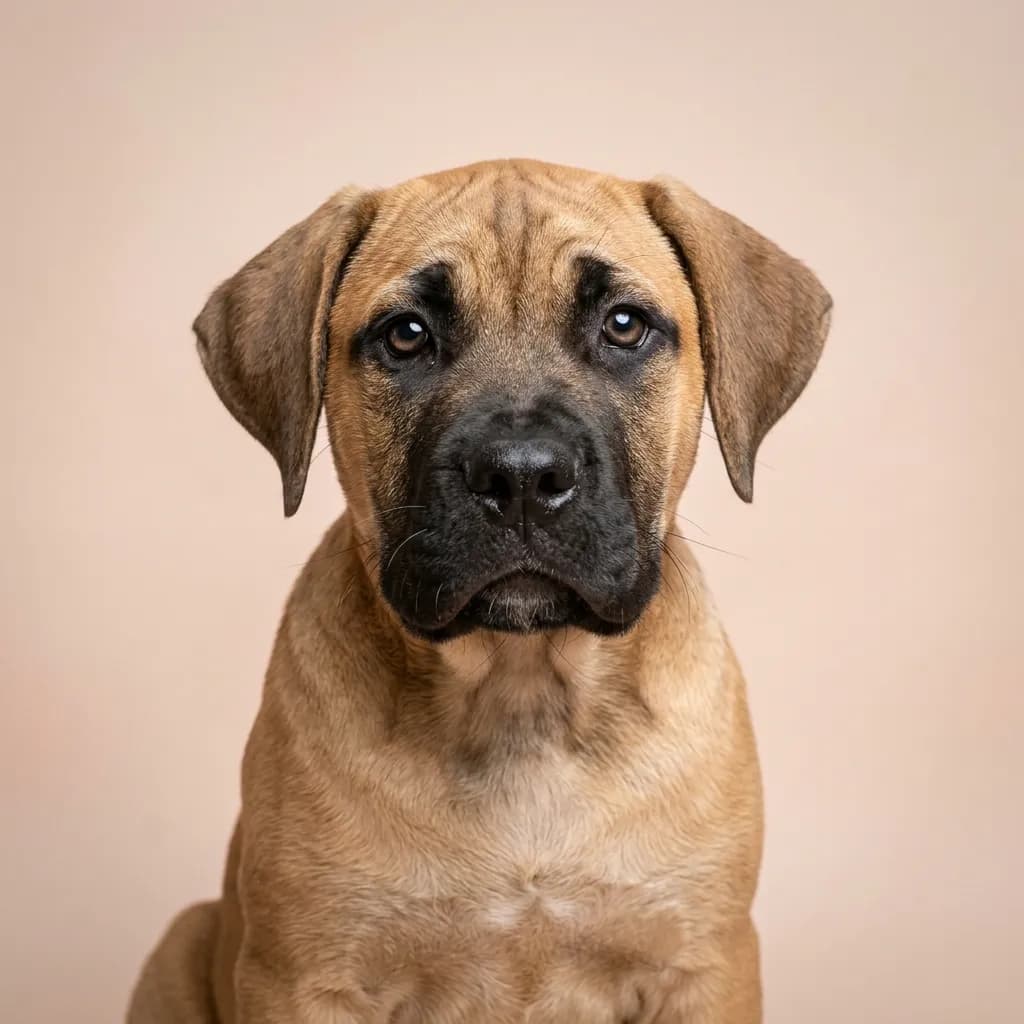
Boerboel
Working Group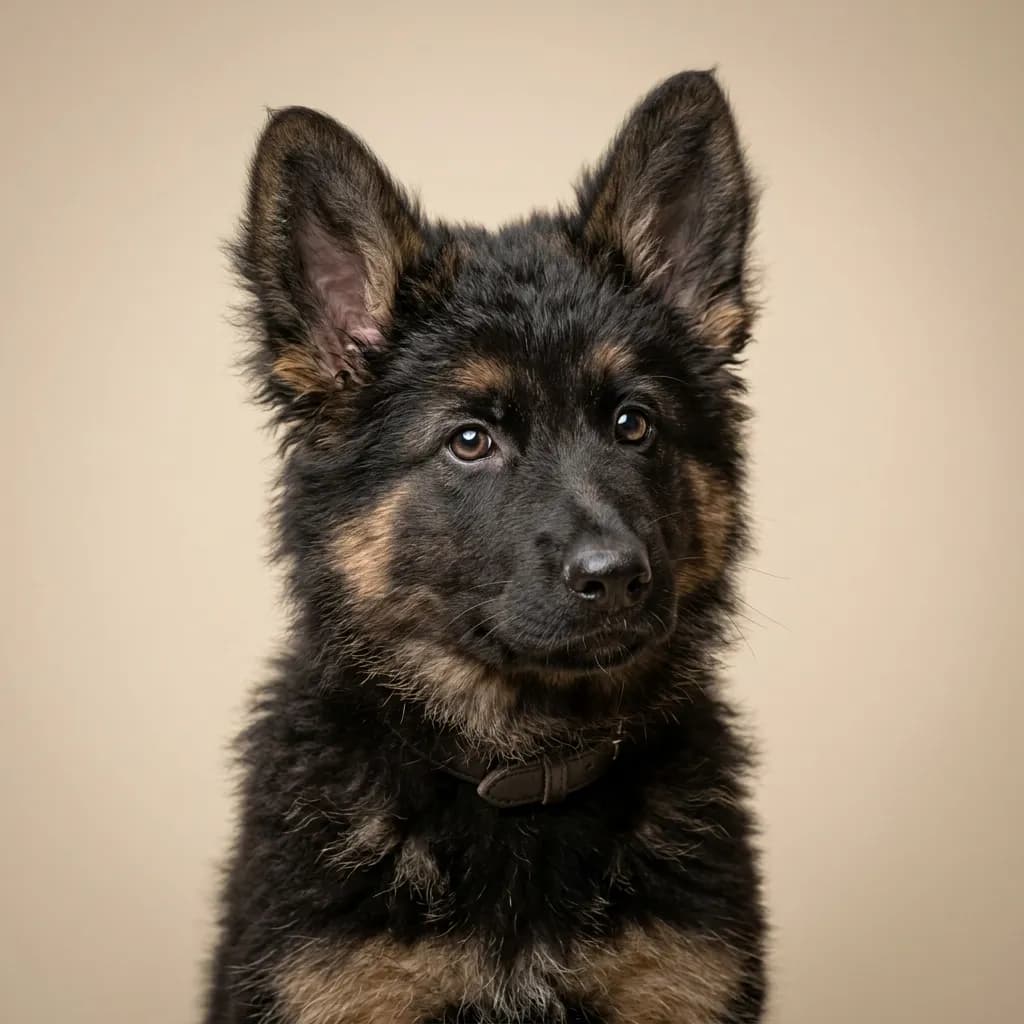
Bohemian Shepherd
Foundation Stock Service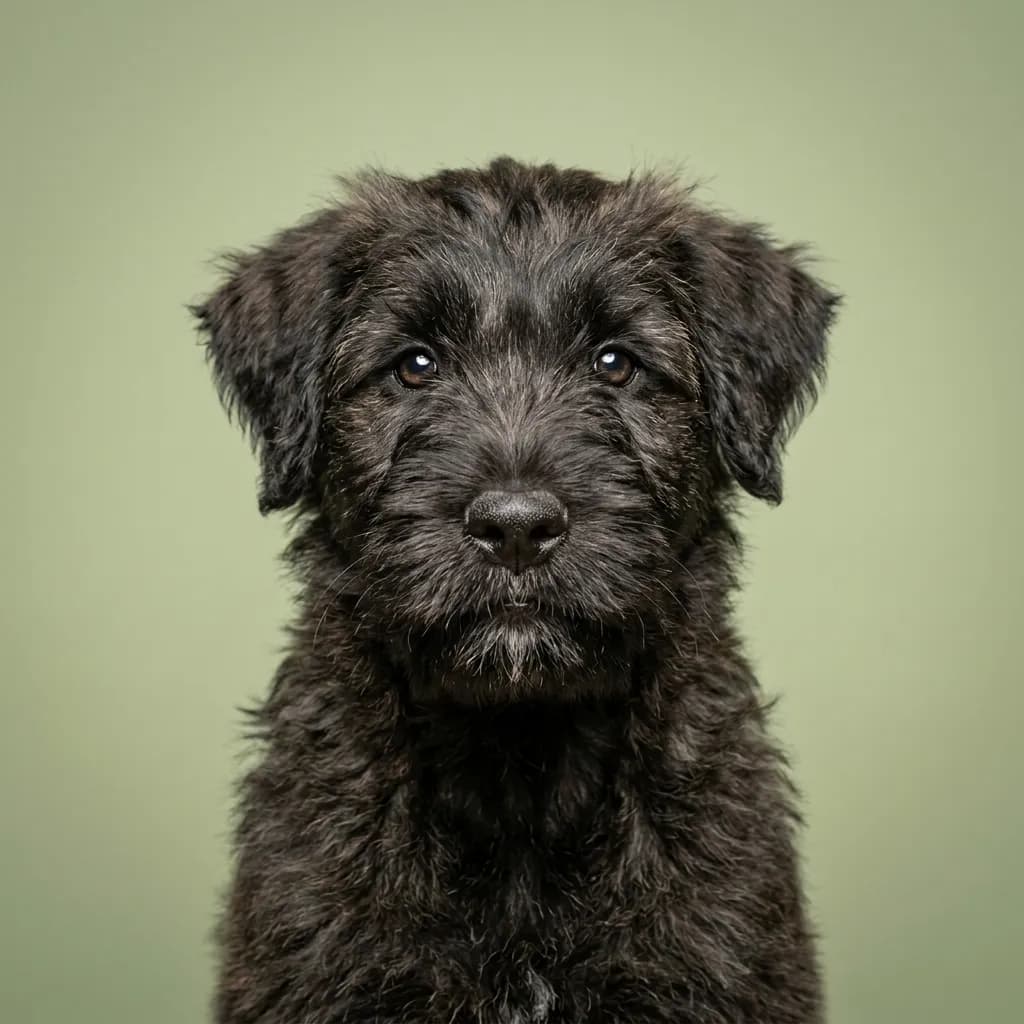
Bouvier des Flandres
Herding Group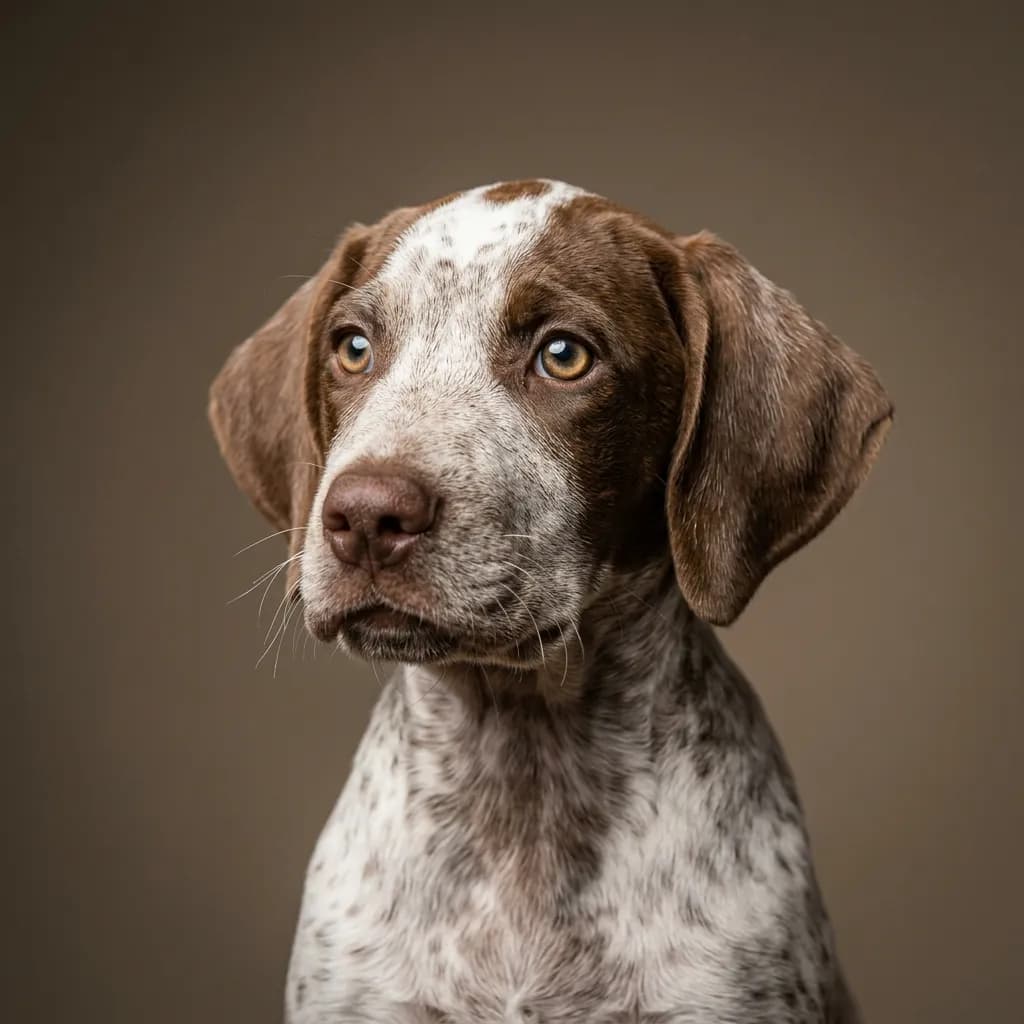
Braque du Bourbonnais
Foundation Stock Service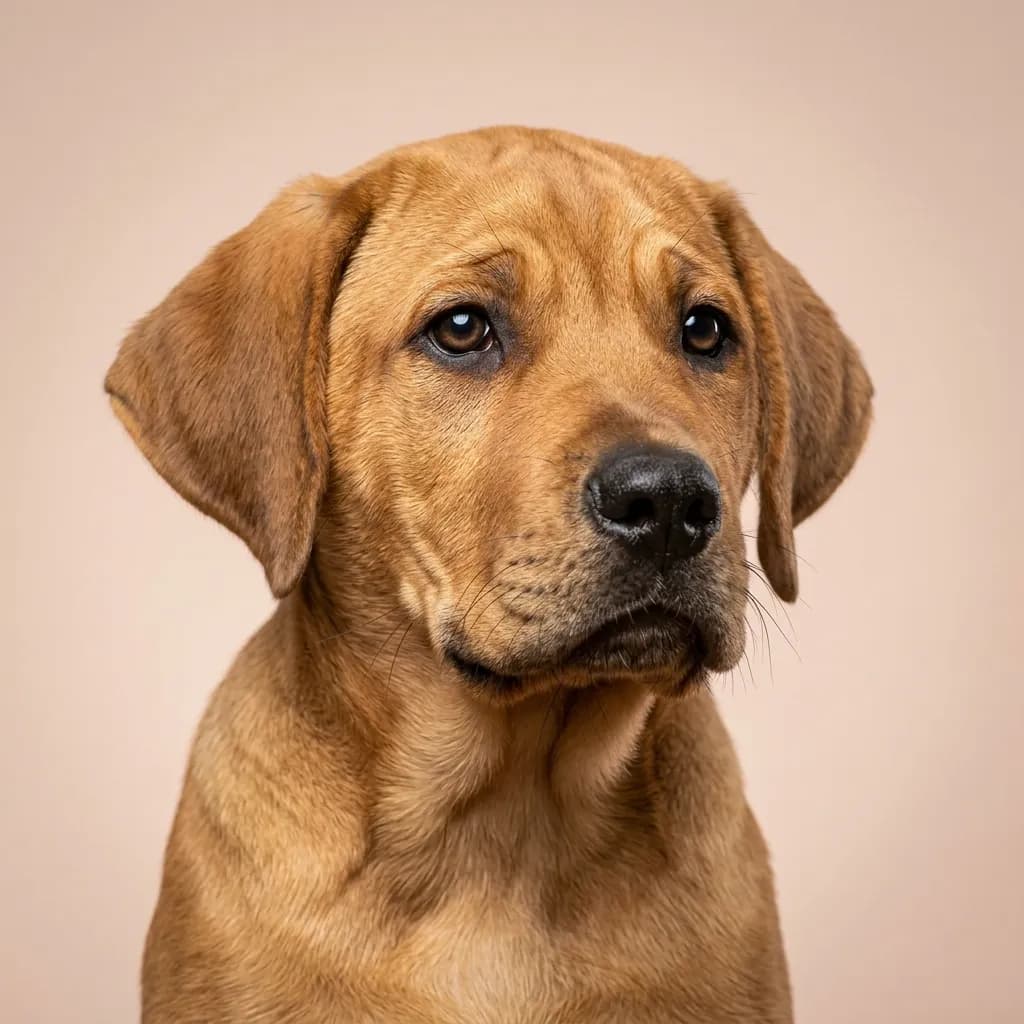
Broholmer
Foundation Stock Service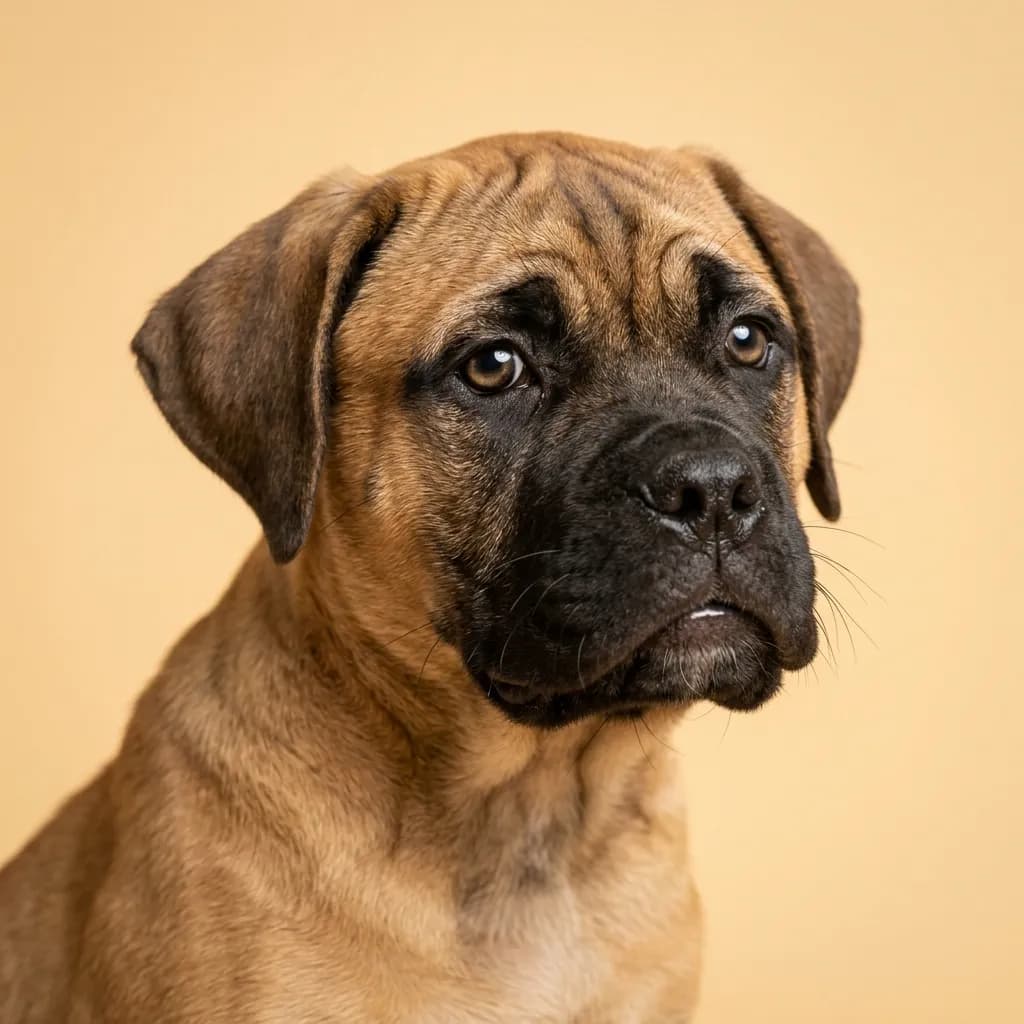
Bullmastiff
Working Group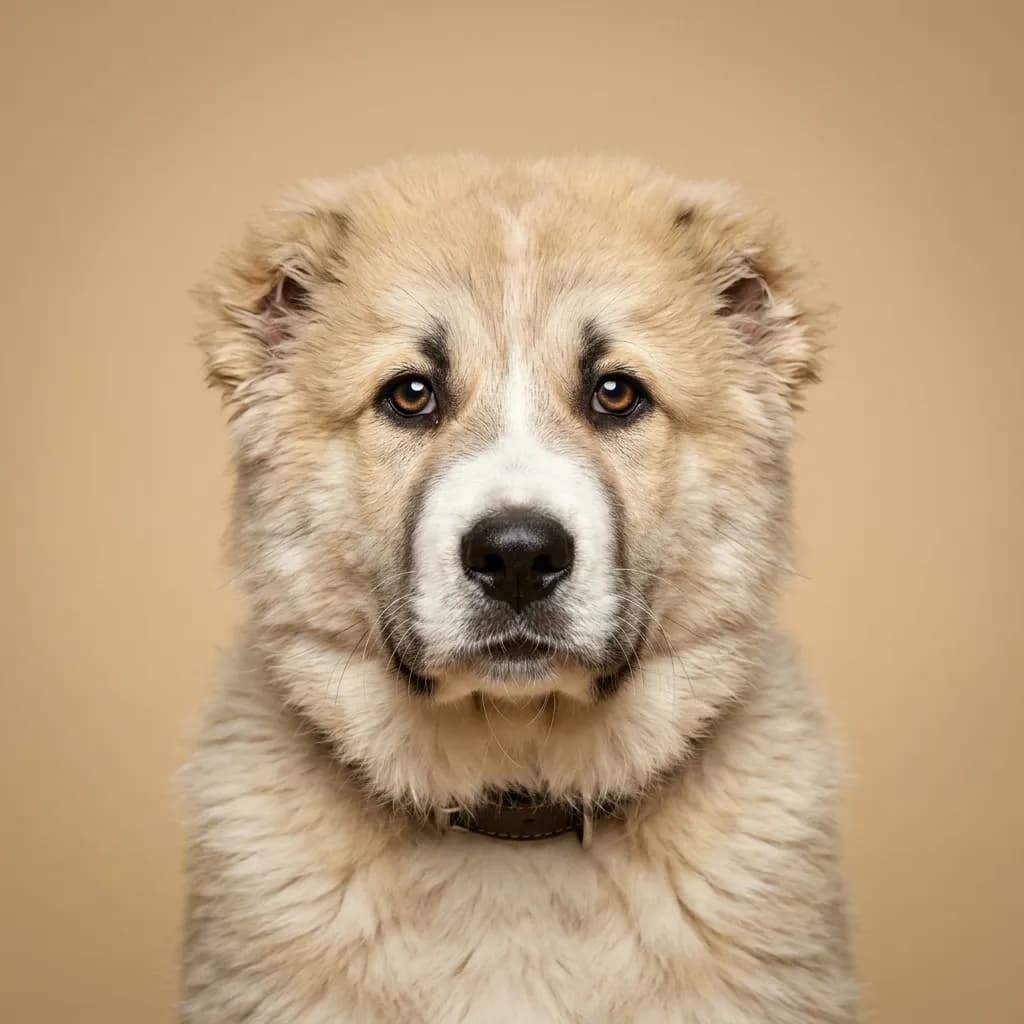
Central Asian Shepherd Dog
Foundation Stock Service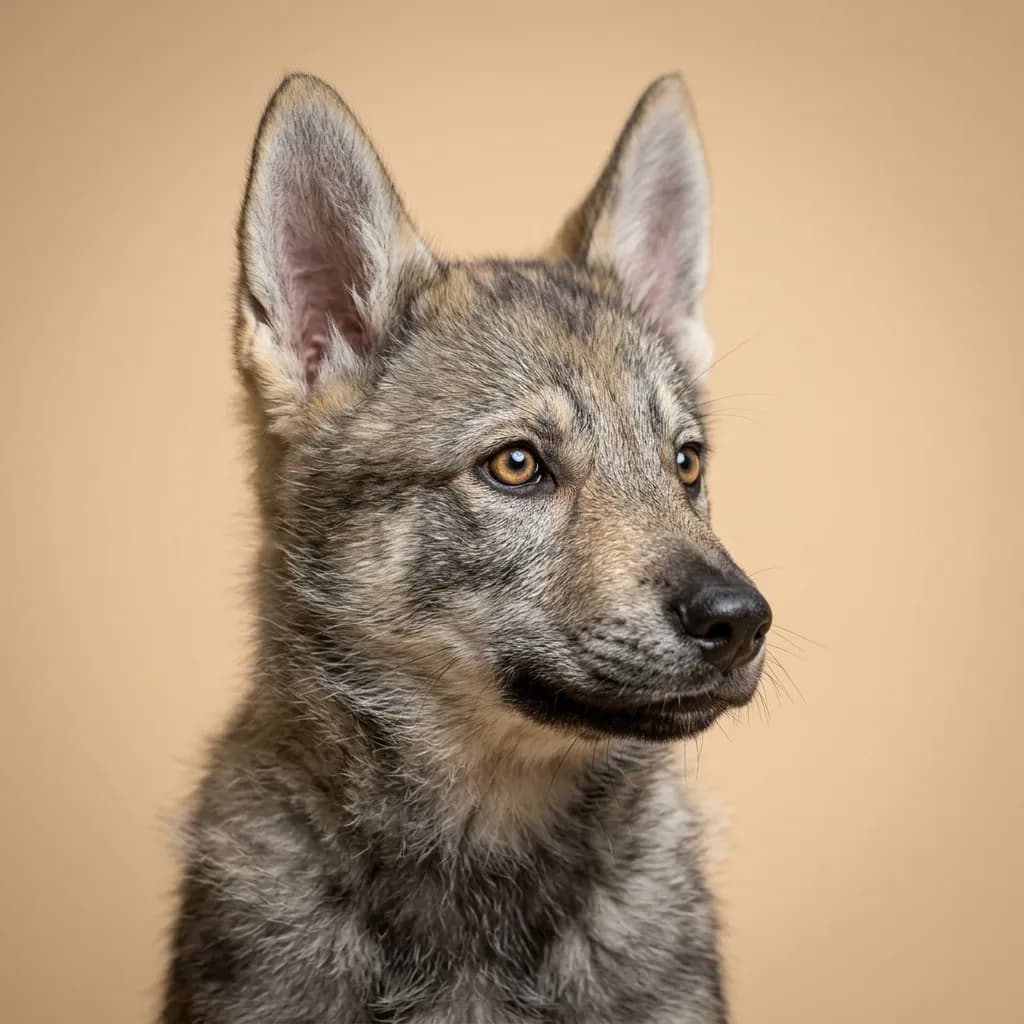
Czechoslovakian Vlcak
Foundation Stock Service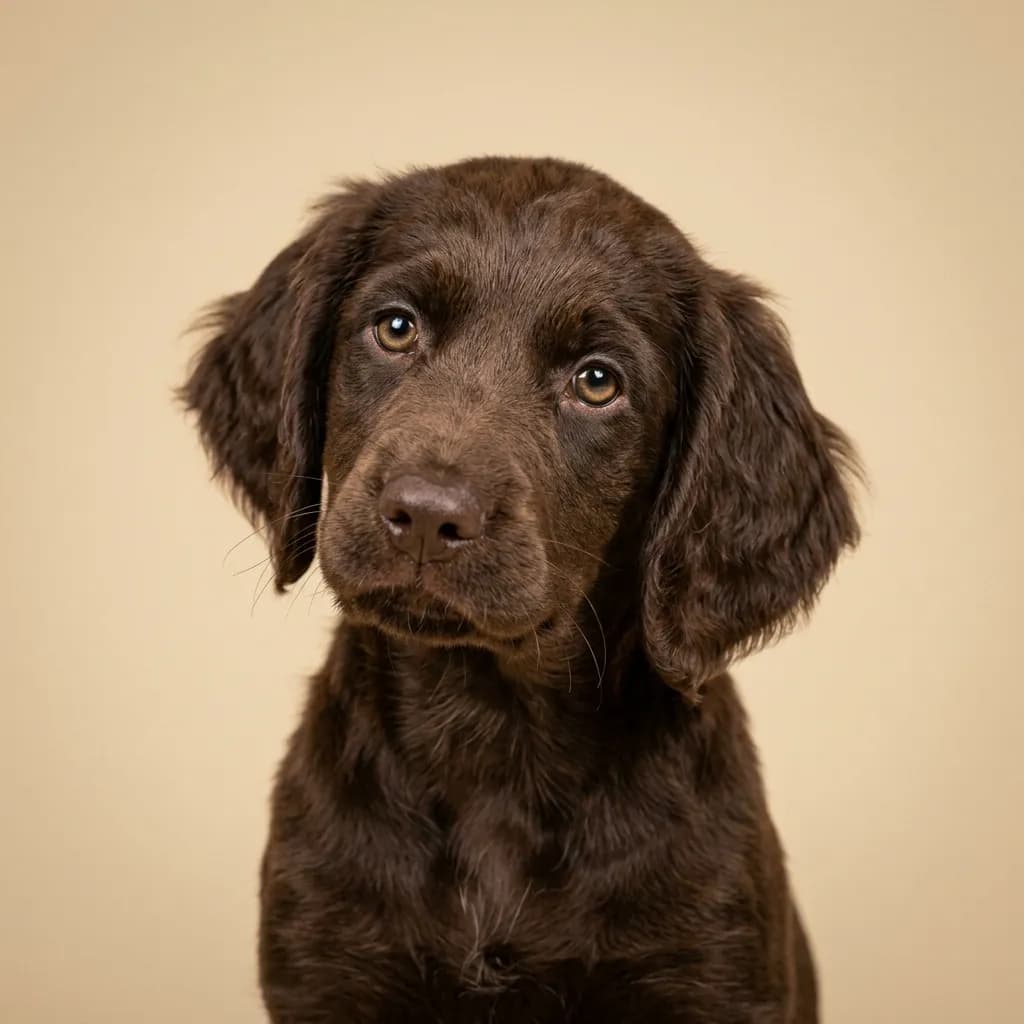
Deutscher Wachtelhund
Foundation Stock Service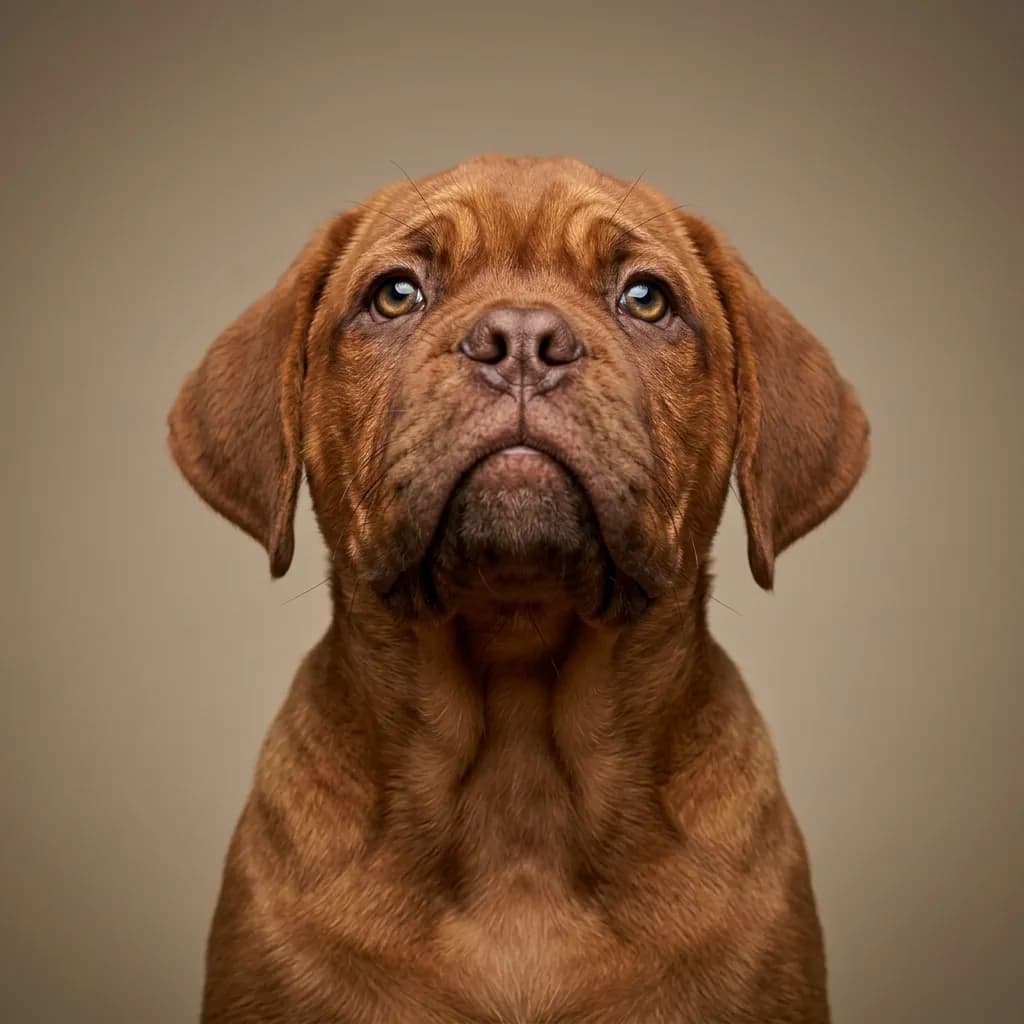
Dogue de Bordeaux
Working Group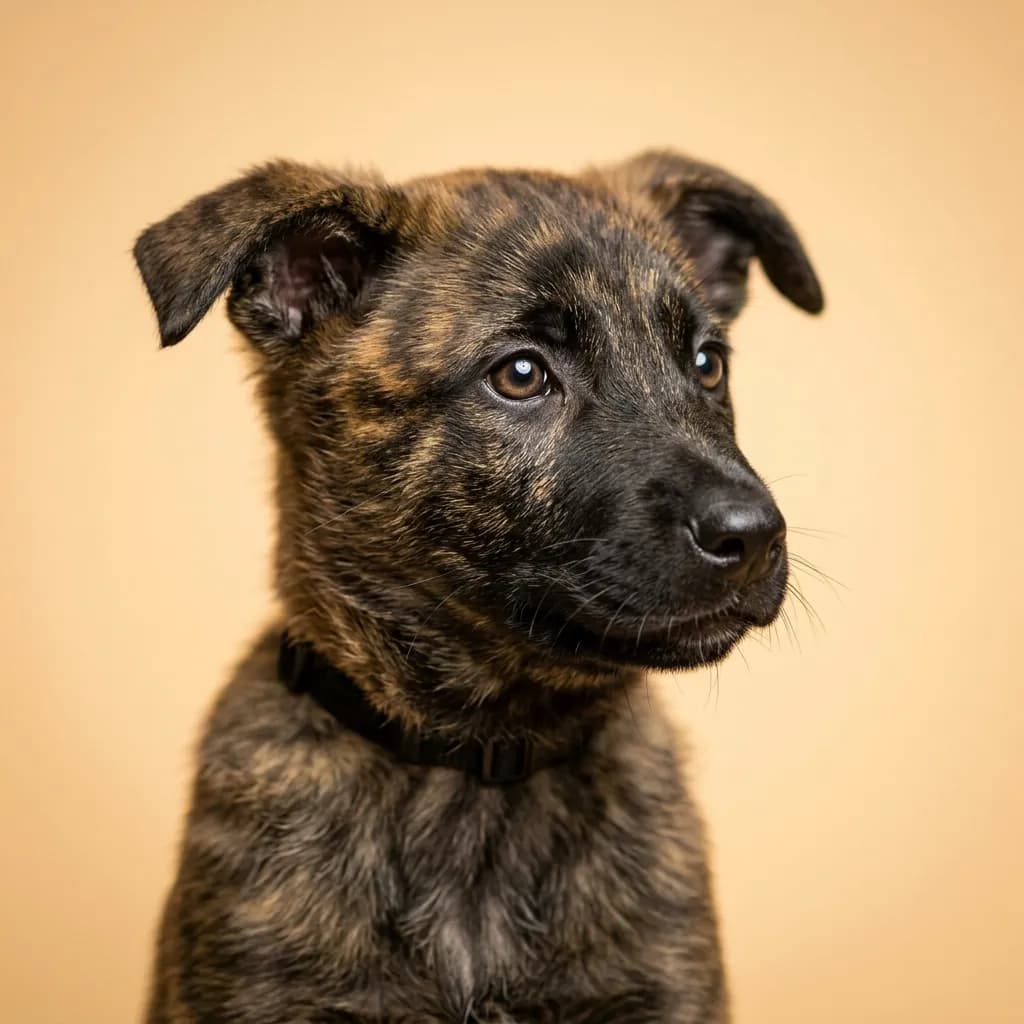
Dutch Shepherd
Miscellaneous Class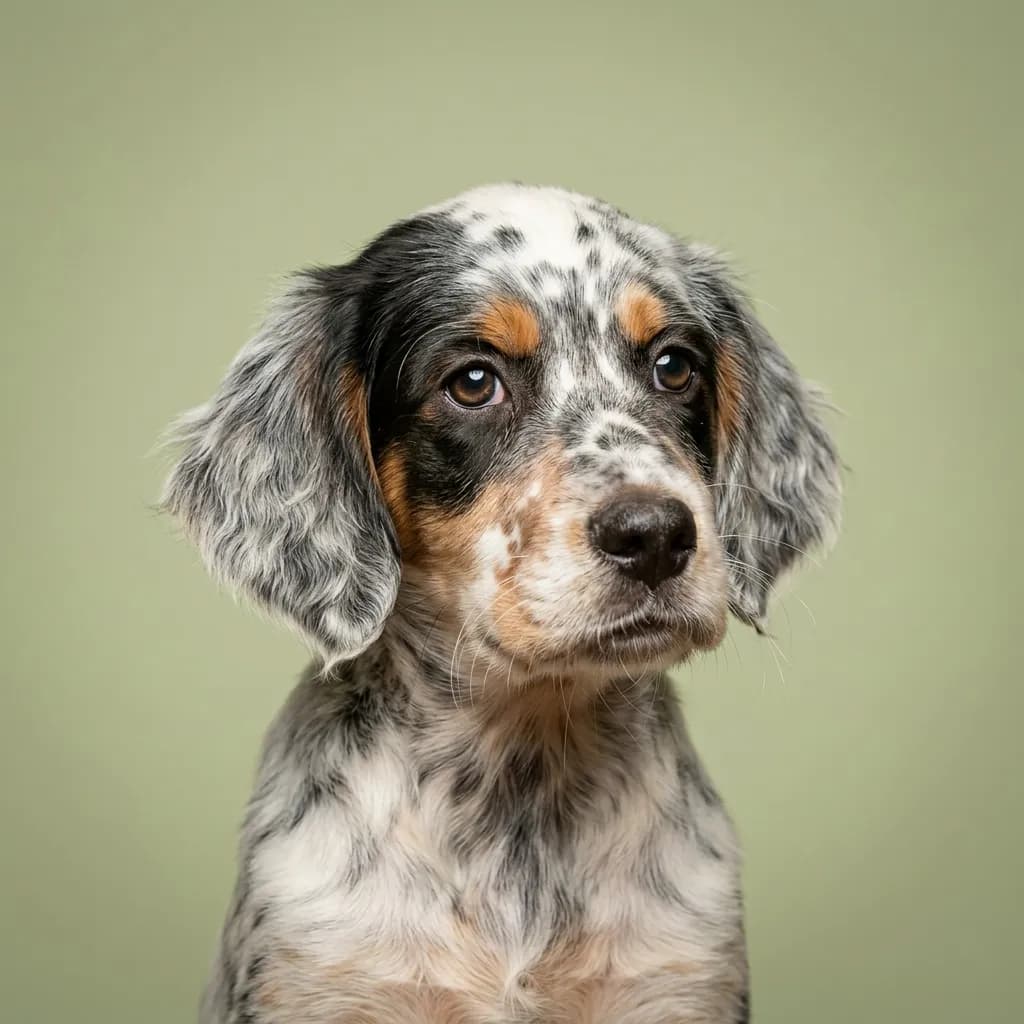
English Setter
Sporting Group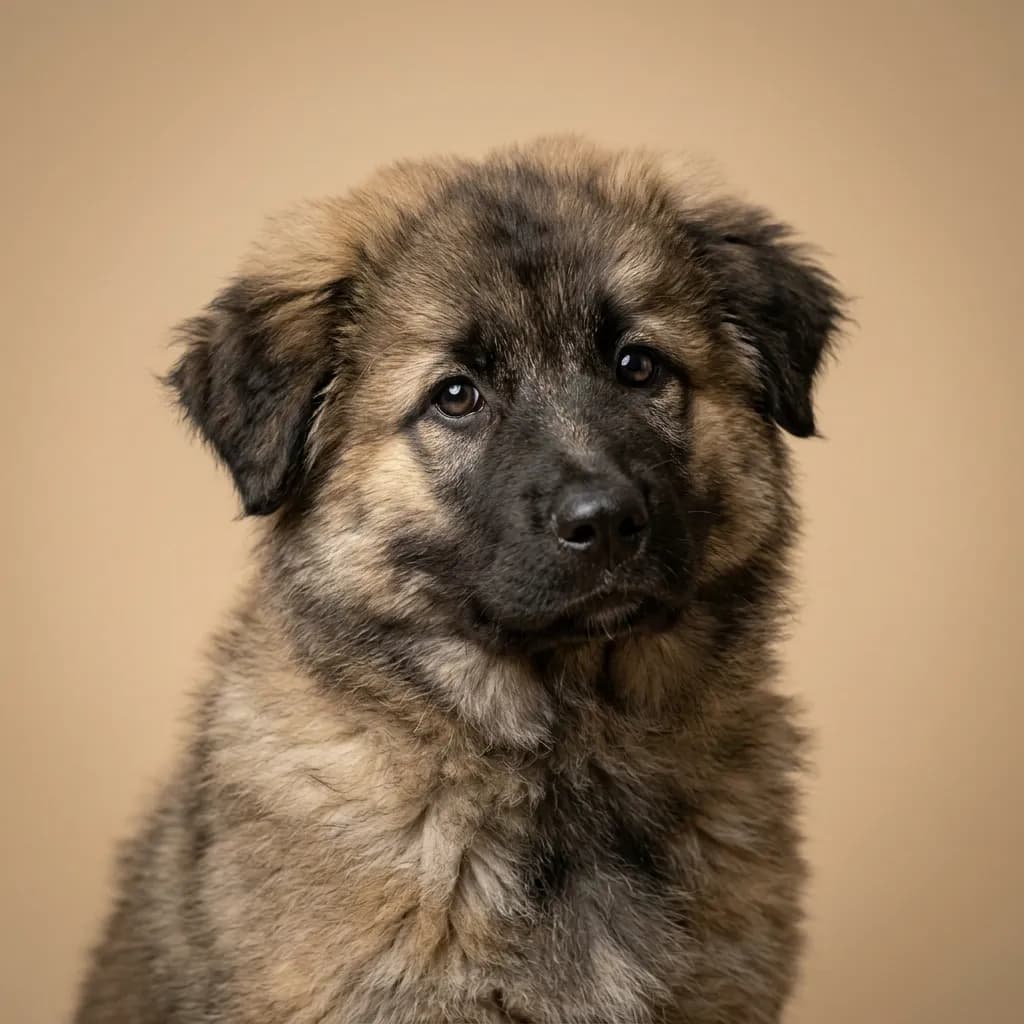
Estrela Mountain Dog
Foundation Stock Service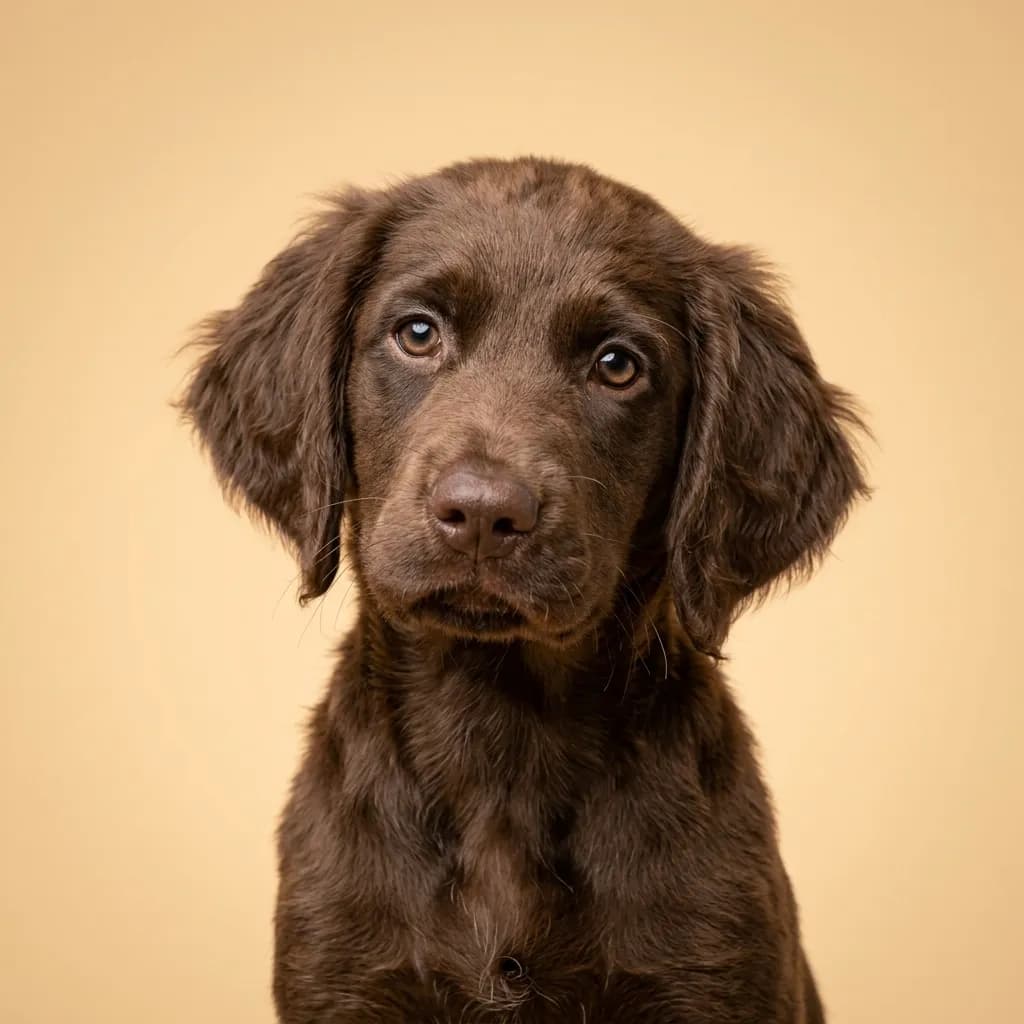
German Longhaired Pointer
Foundation Stock Service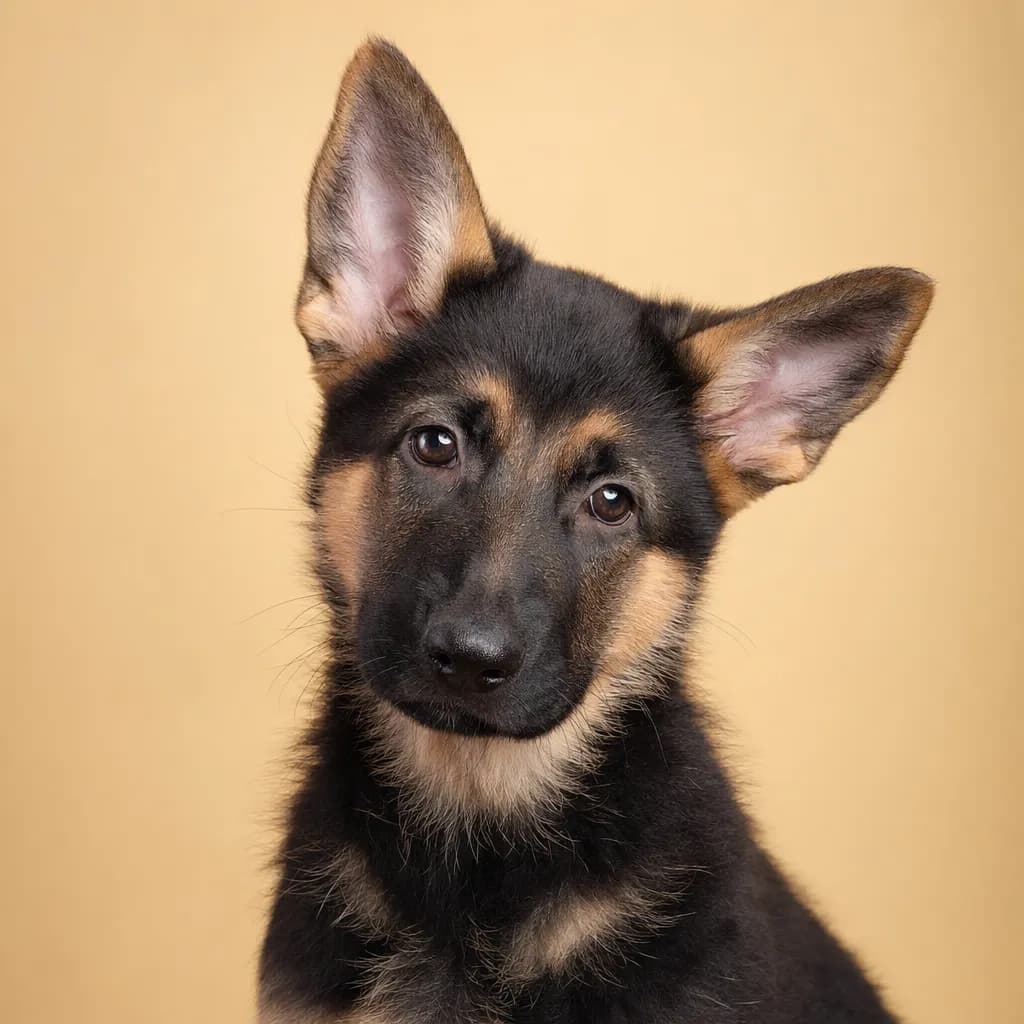
German Shepherd
Herding Group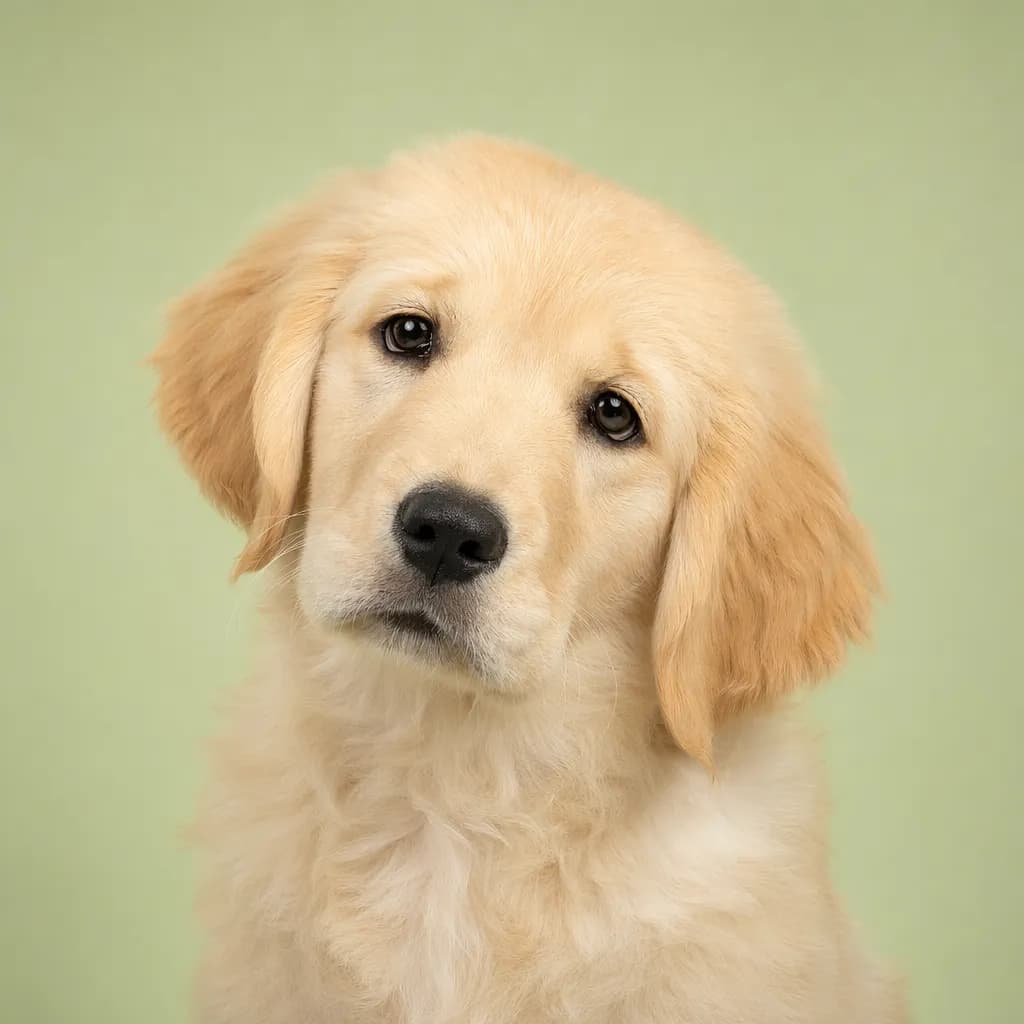
Golden Retriever
Sporting Group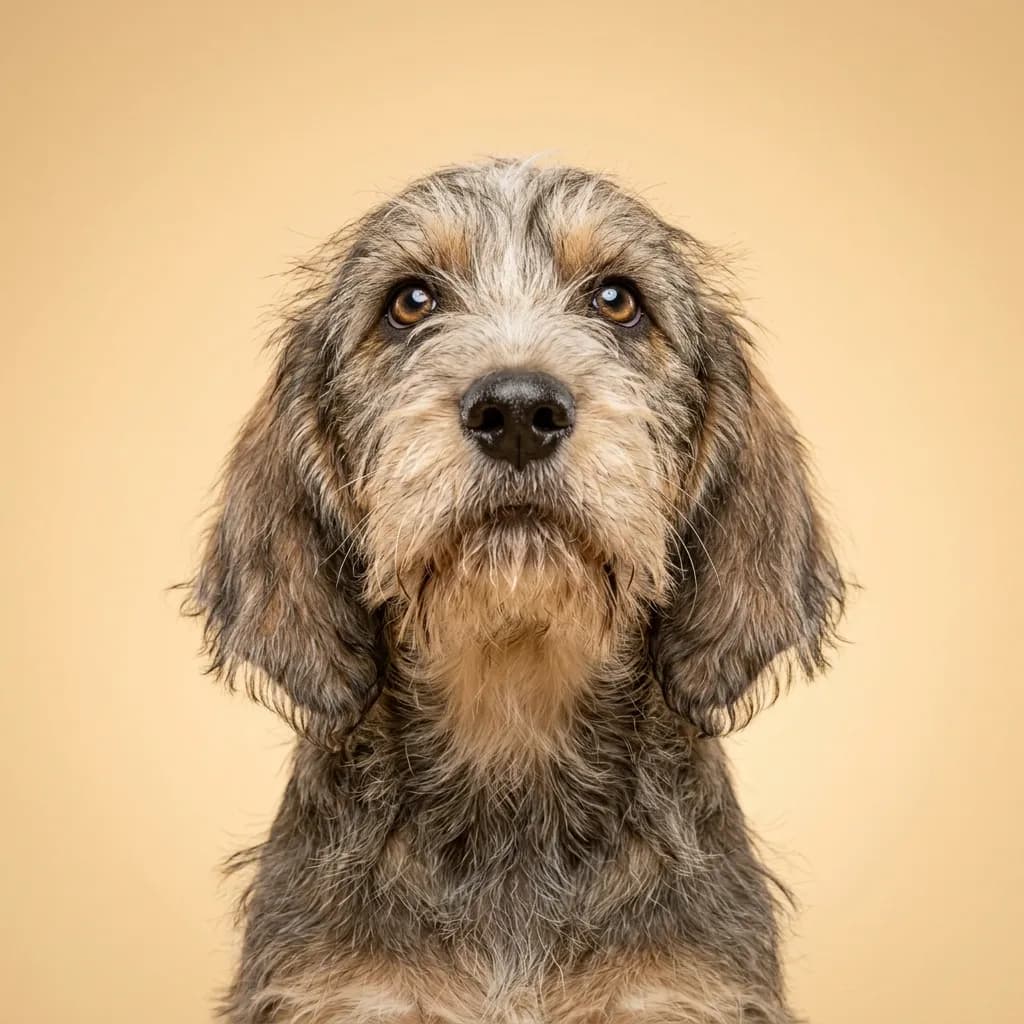
Grand Basset Griffon Vendéen
Hound Group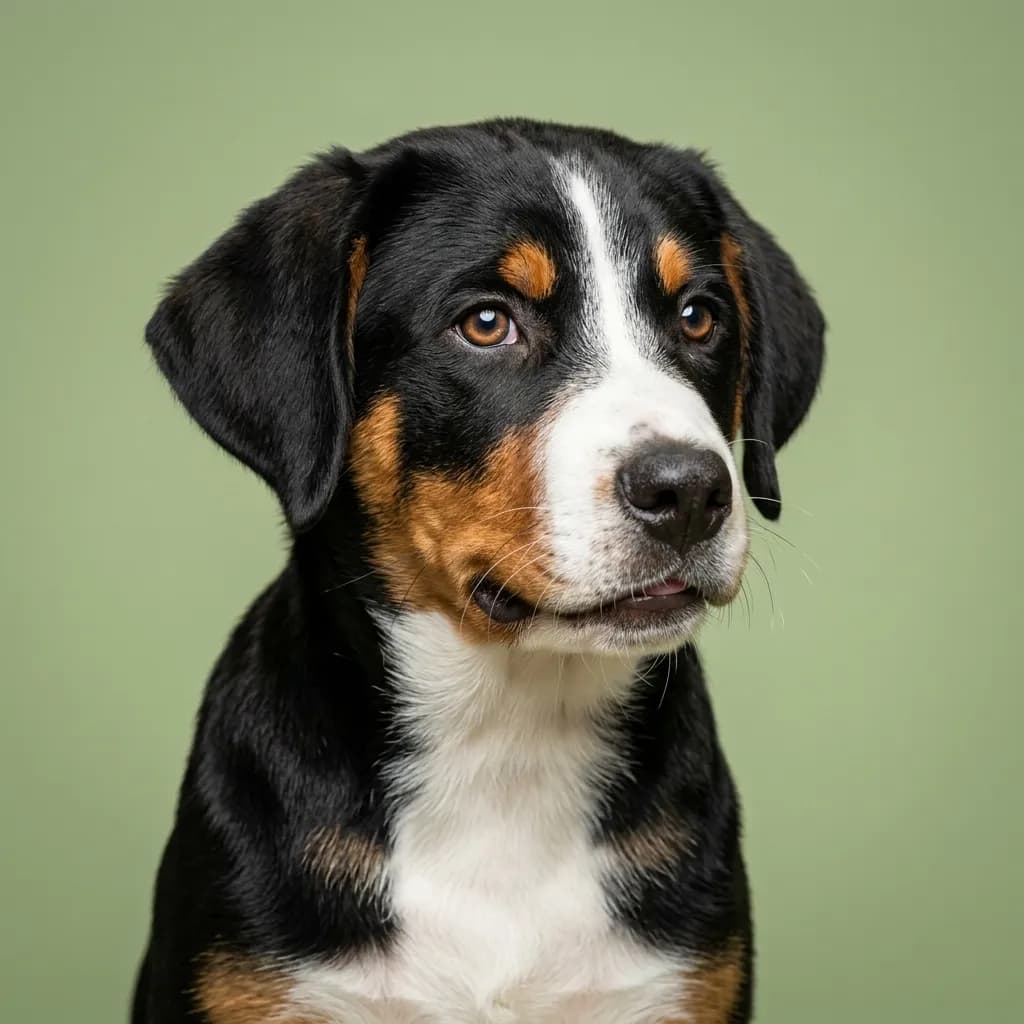
Greater Swiss Mountain Dog
Working Group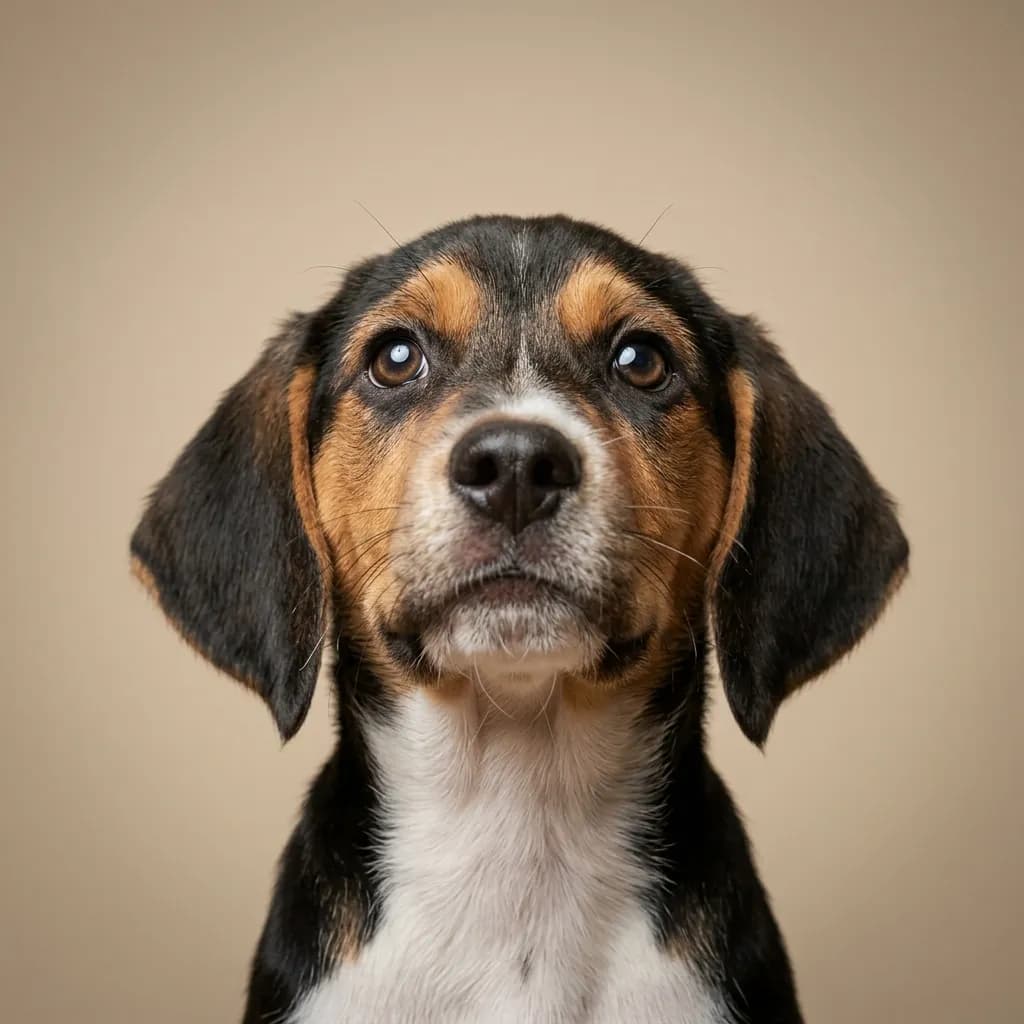
Harrier
Hound Group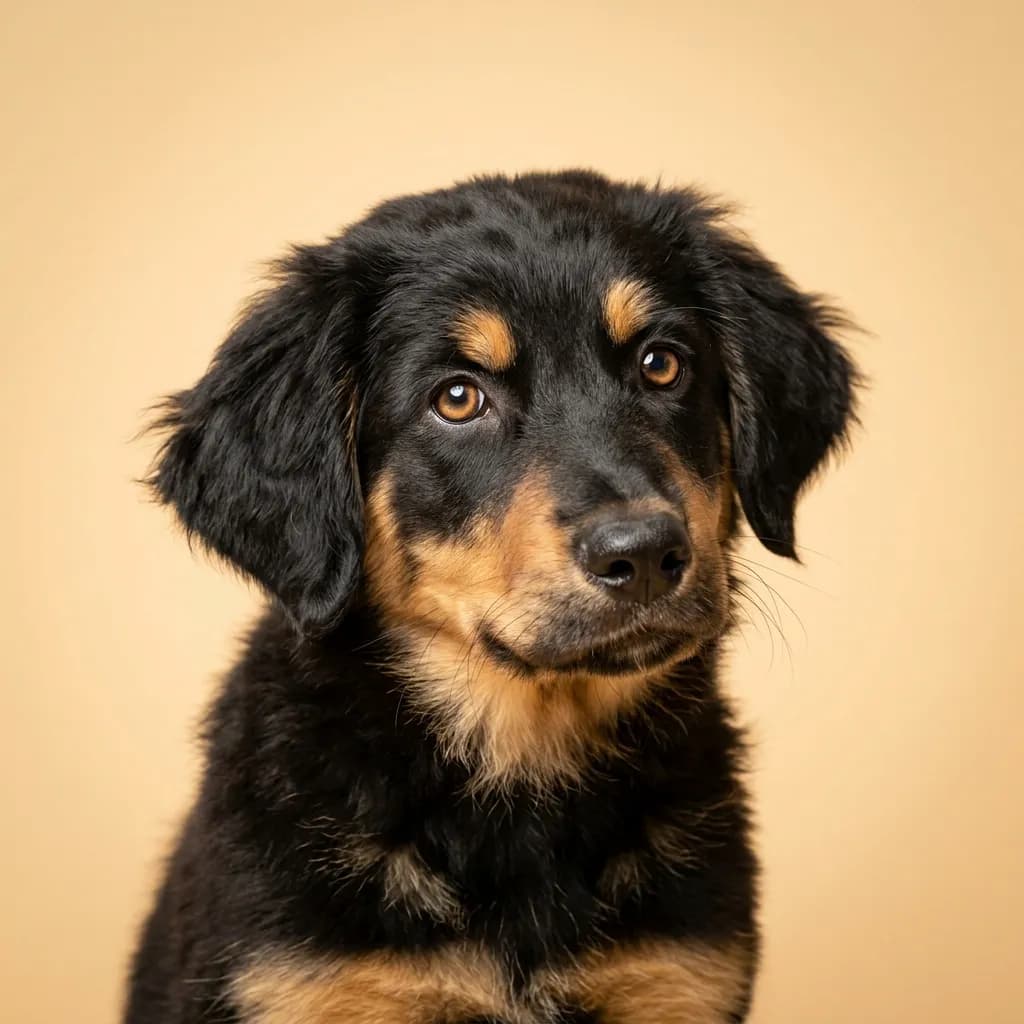
Hovawart
Foundation Stock Service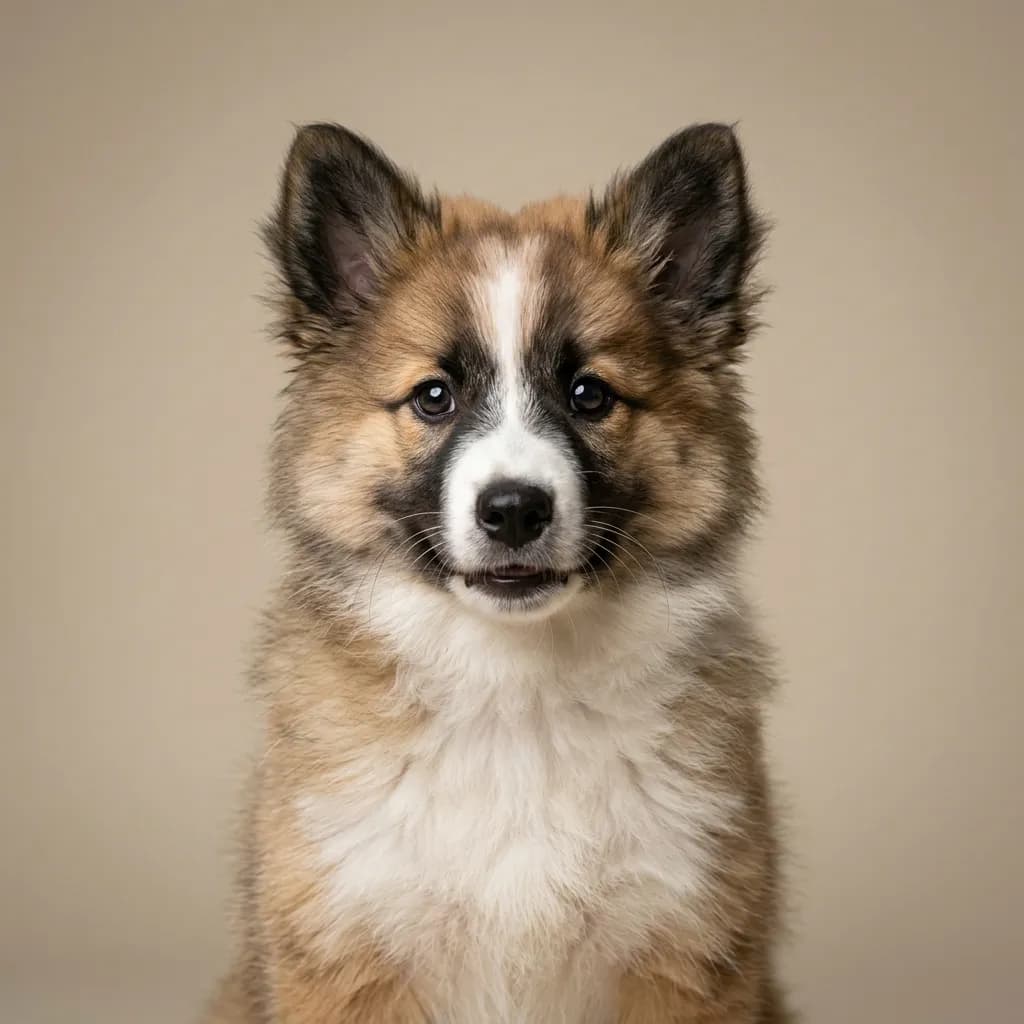
Icelandic Sheepdog
Herding Group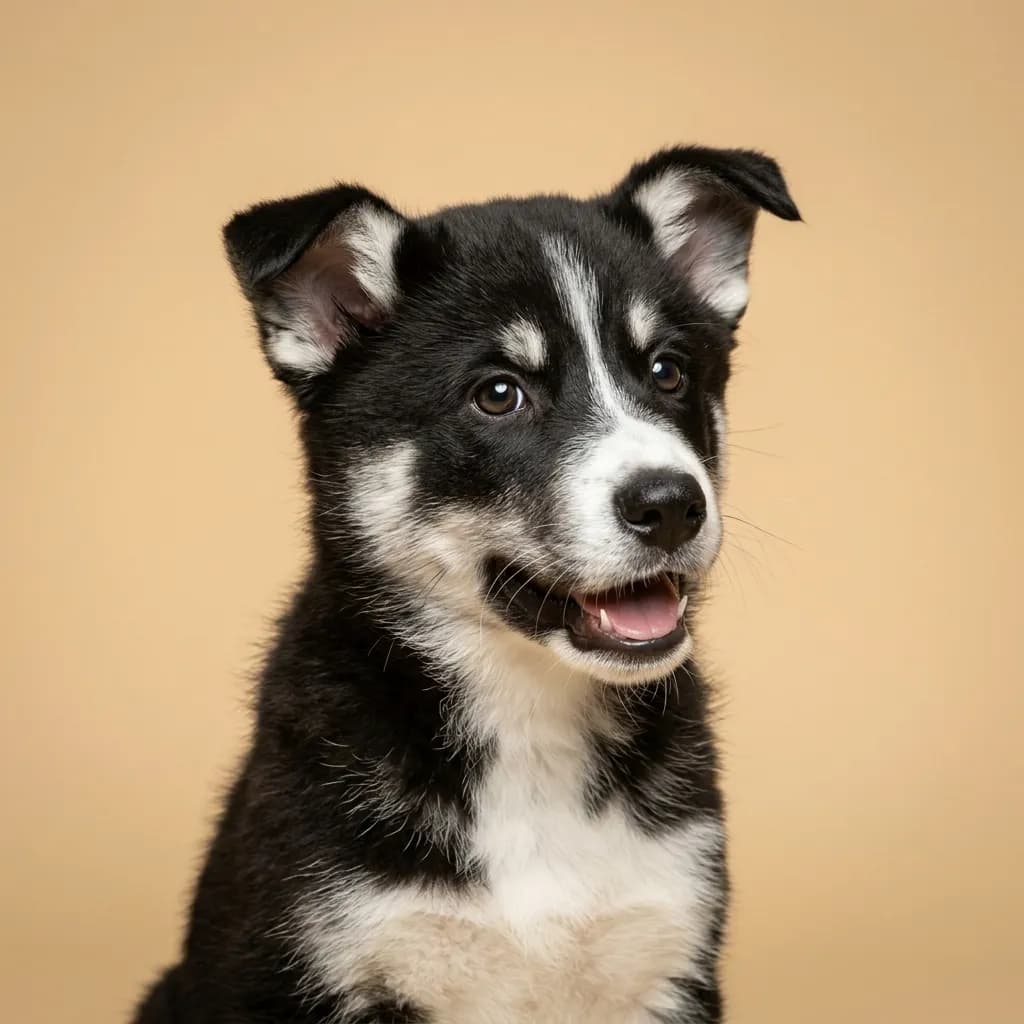
Karelian Bear Dog
Foundation Stock Service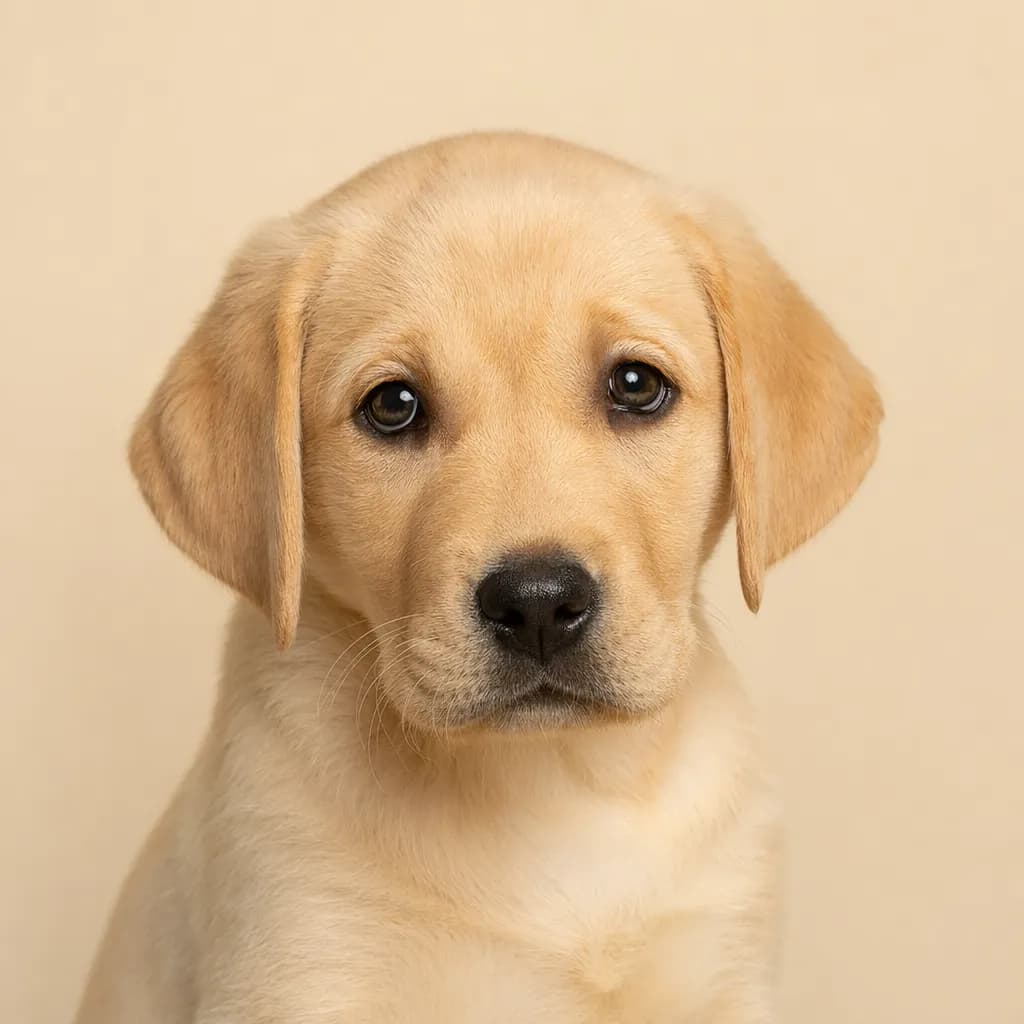
Labrador Retriever
Sporting Group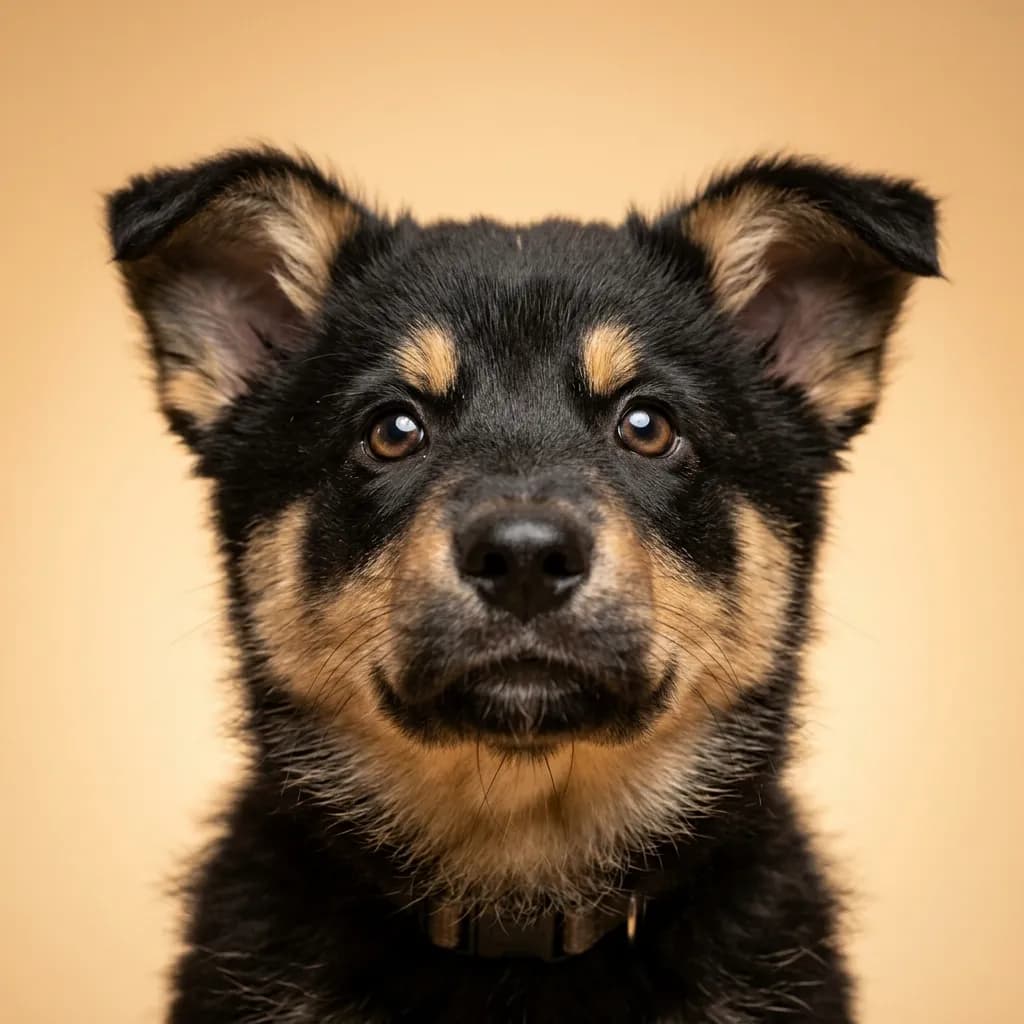
Lapponian Herder
Foundation Stock Service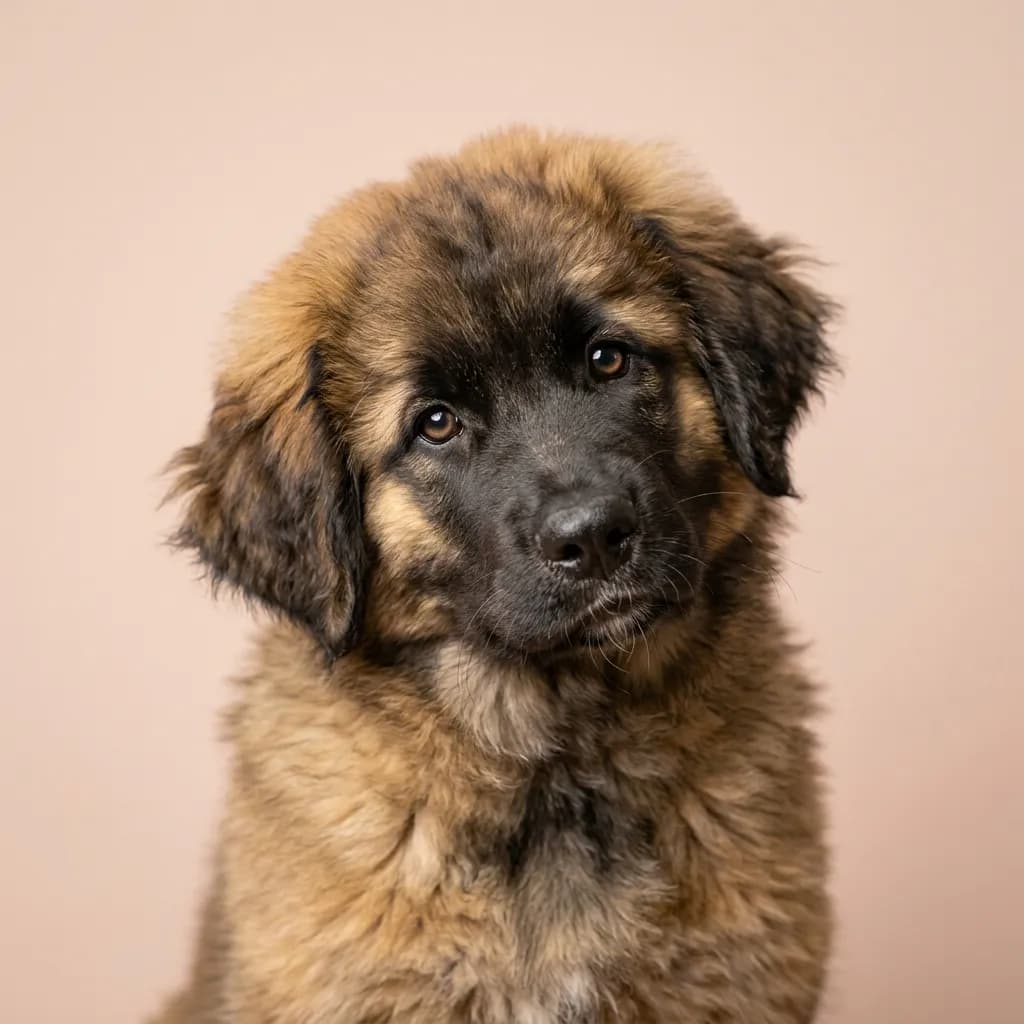
Leonberger
Working Group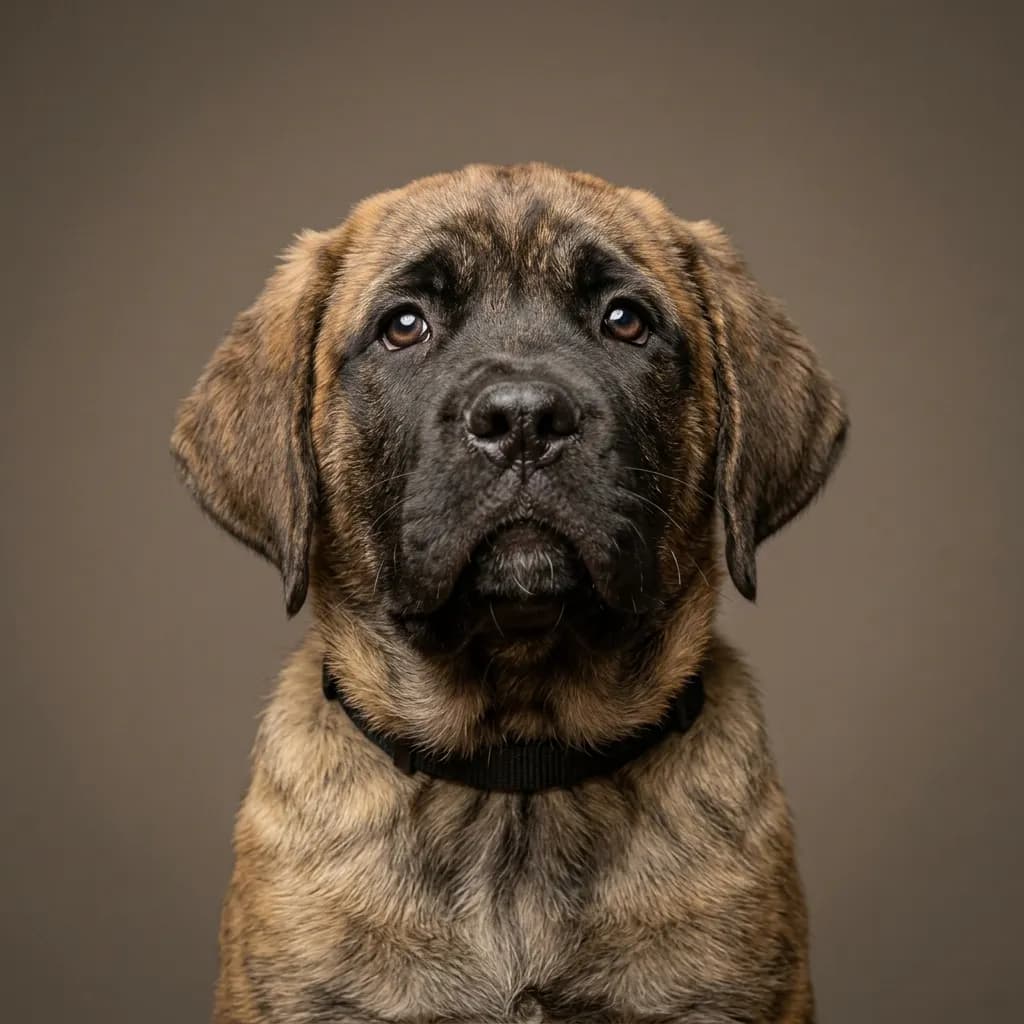
Mastiff
Working Group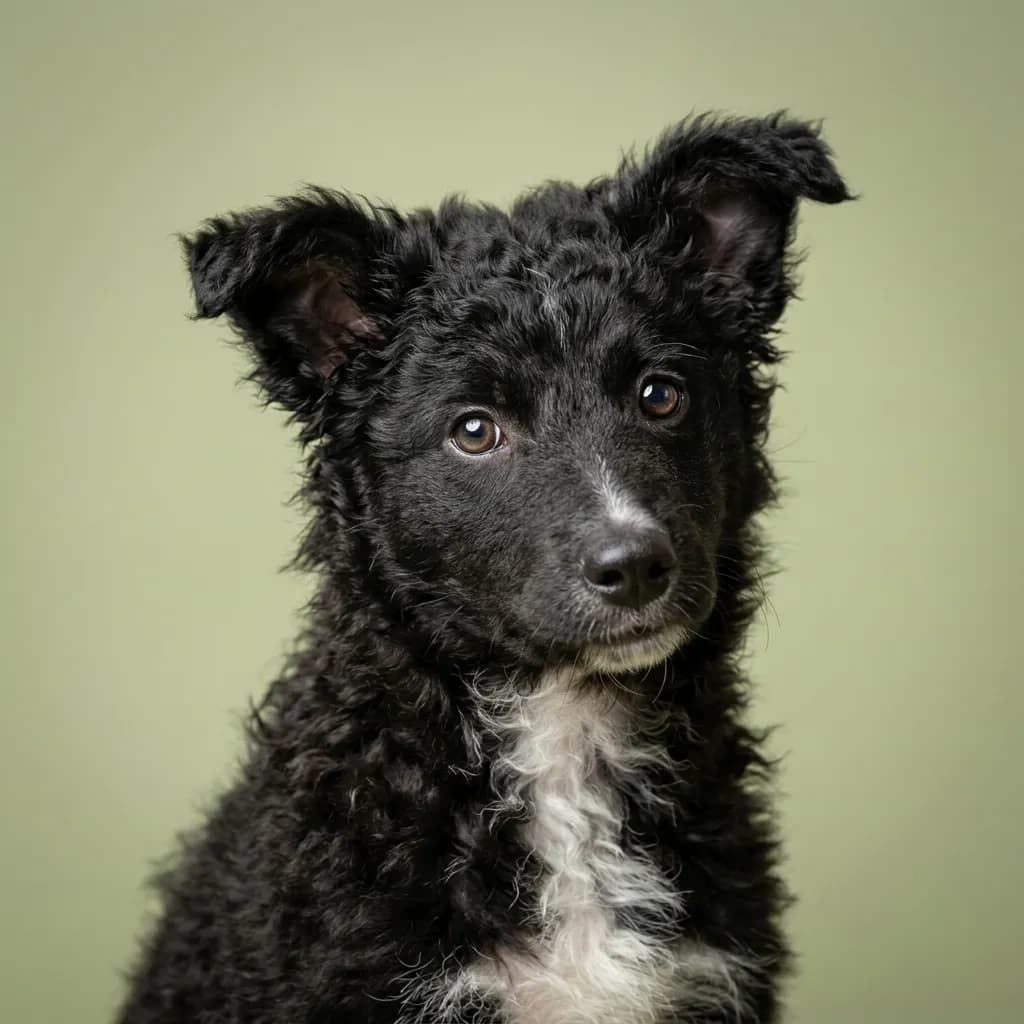
Mudi
Miscellaneous Class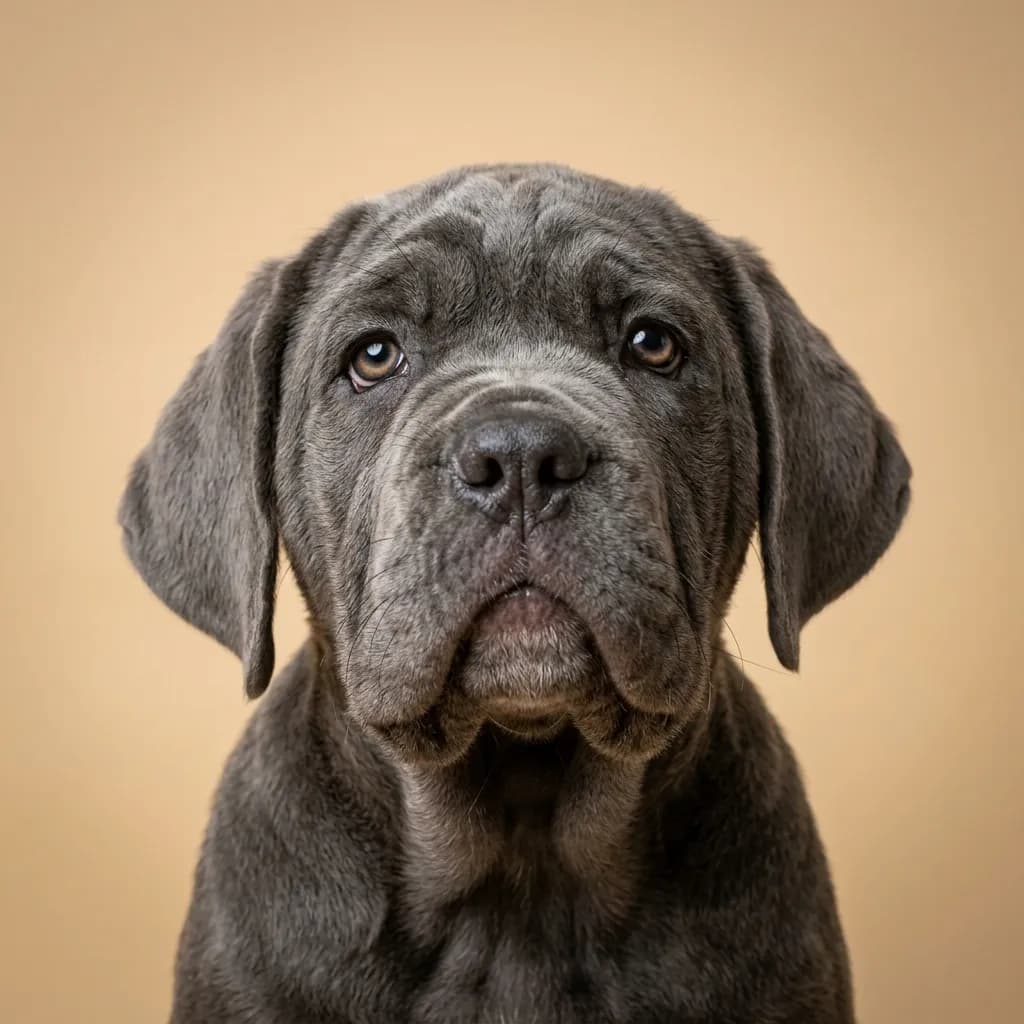
Neapolitan Mastiff
Working Group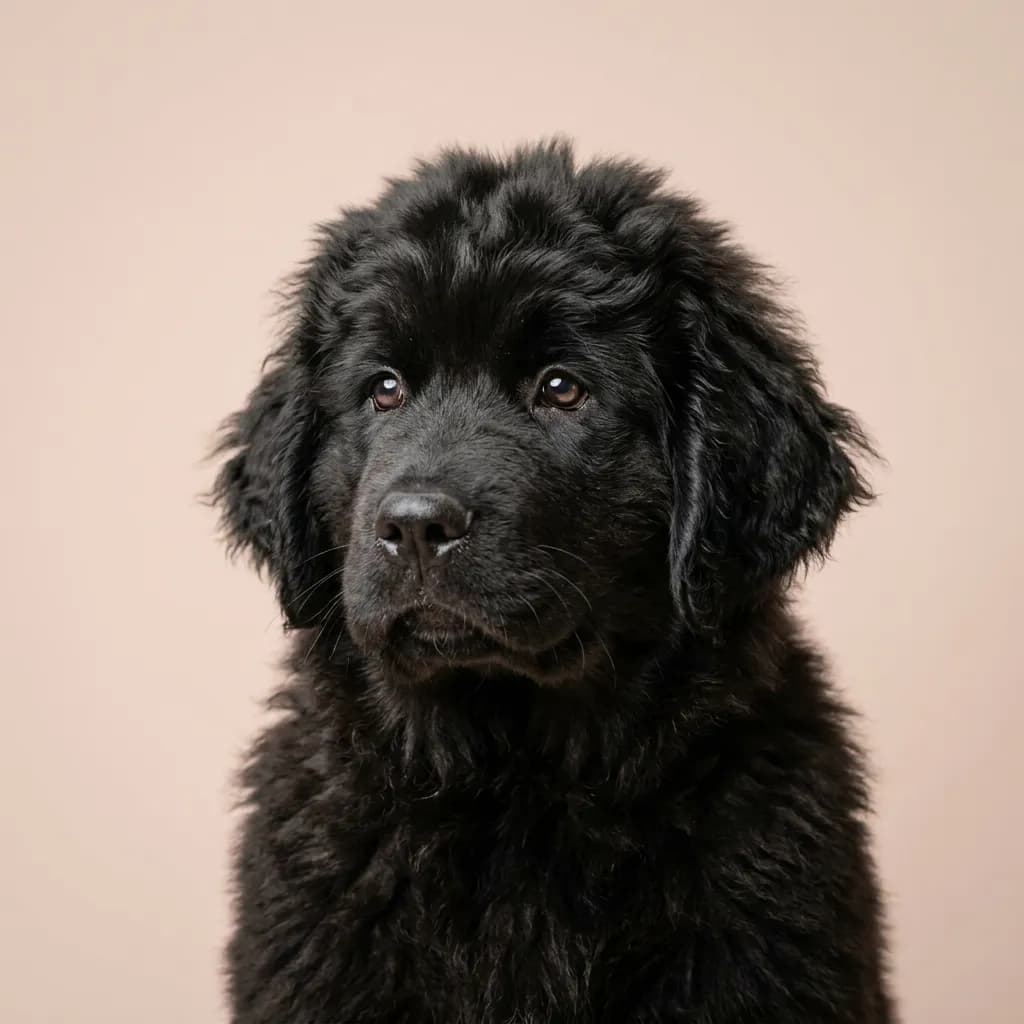
Newfoundland
Working Group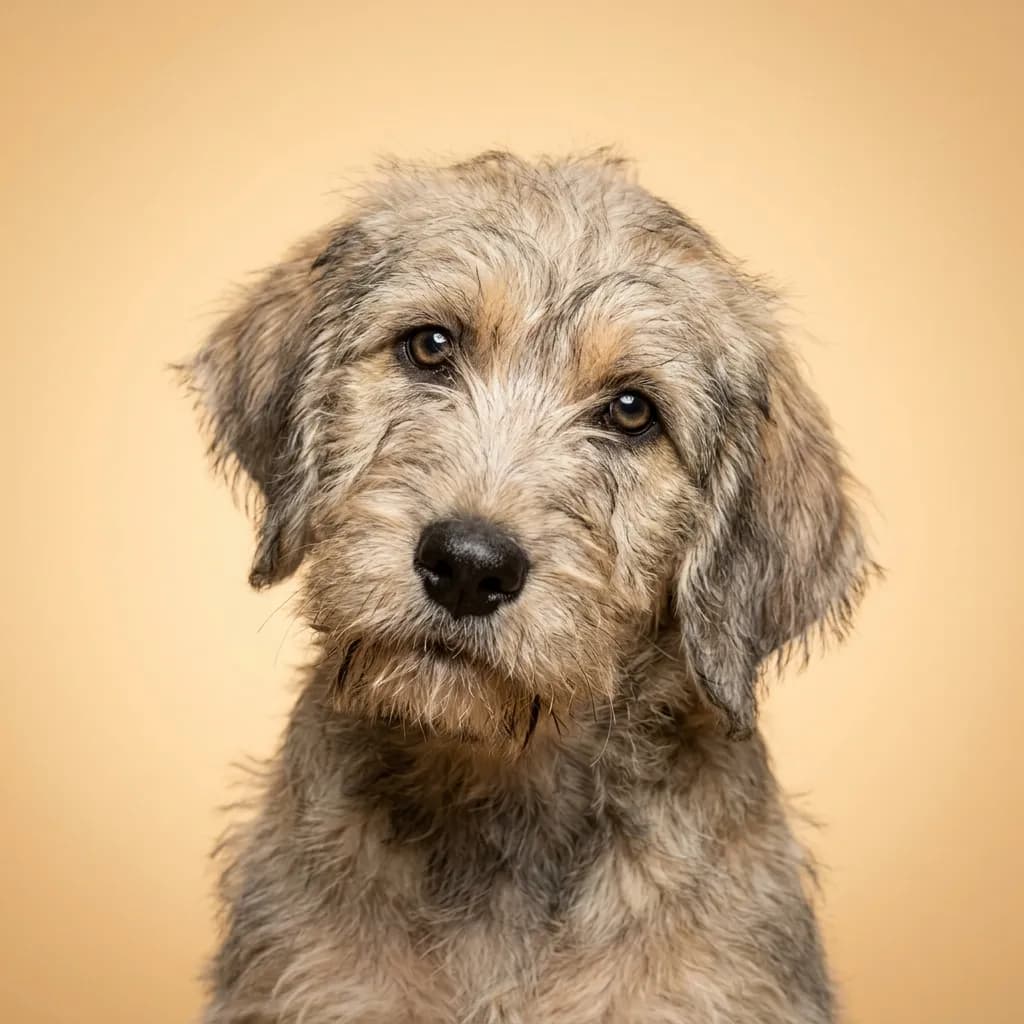
Otterhound
Hound Group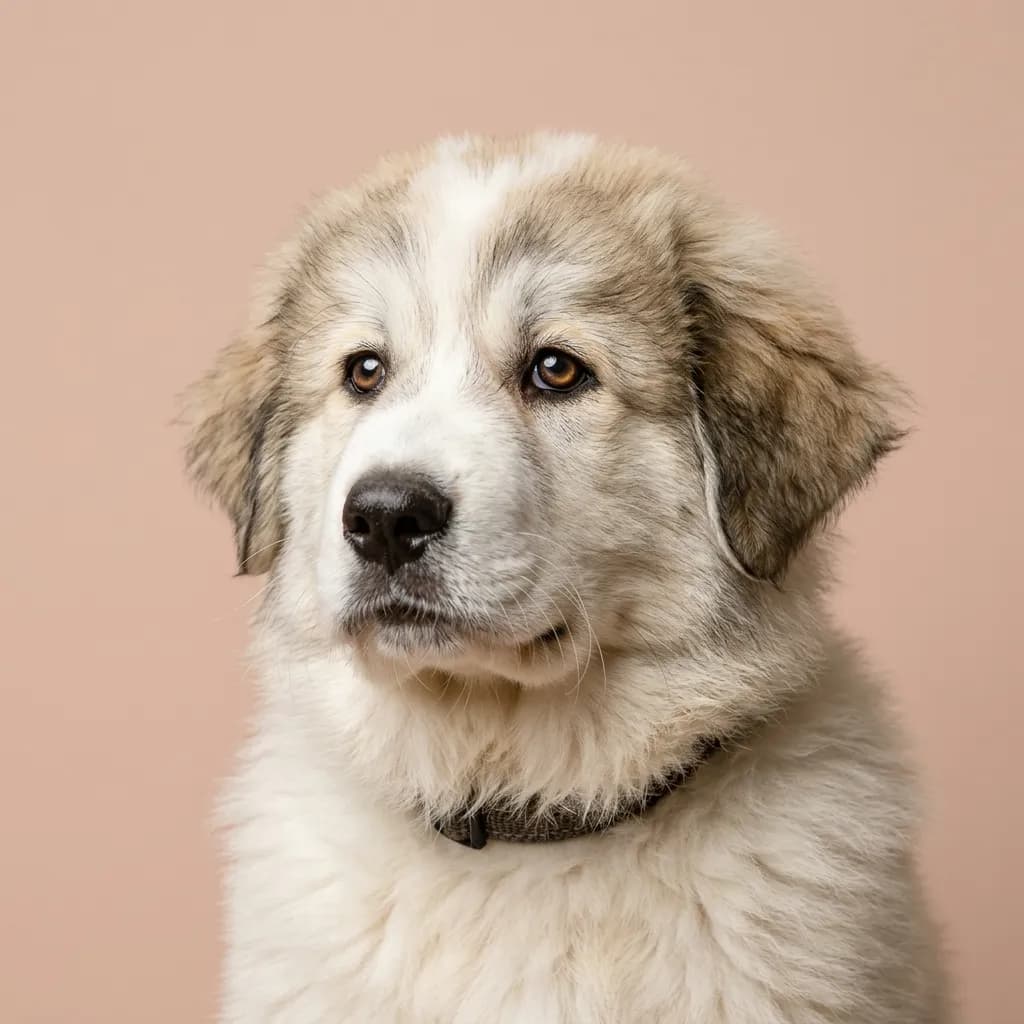
Pyrenean Mastiff
Foundation Stock Service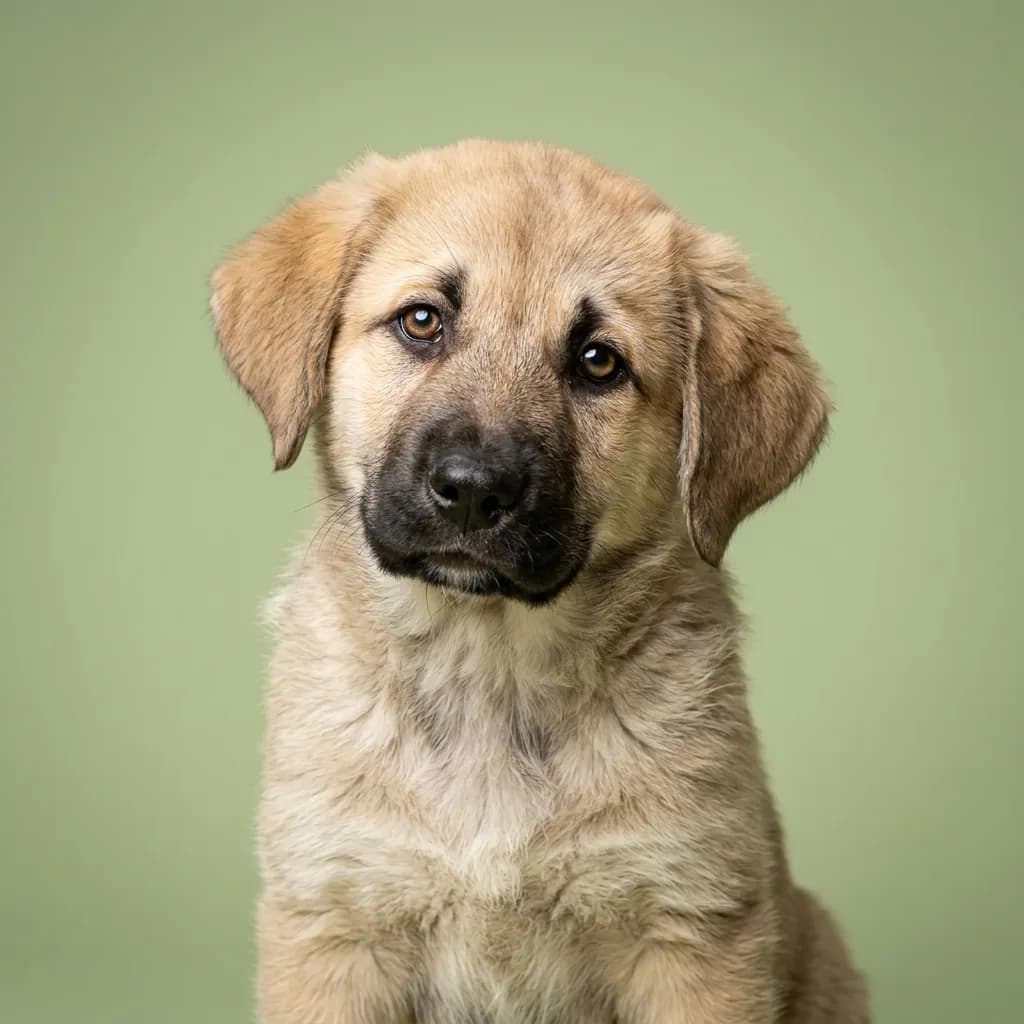
Rafeiro do Alentejo
Foundation Stock Service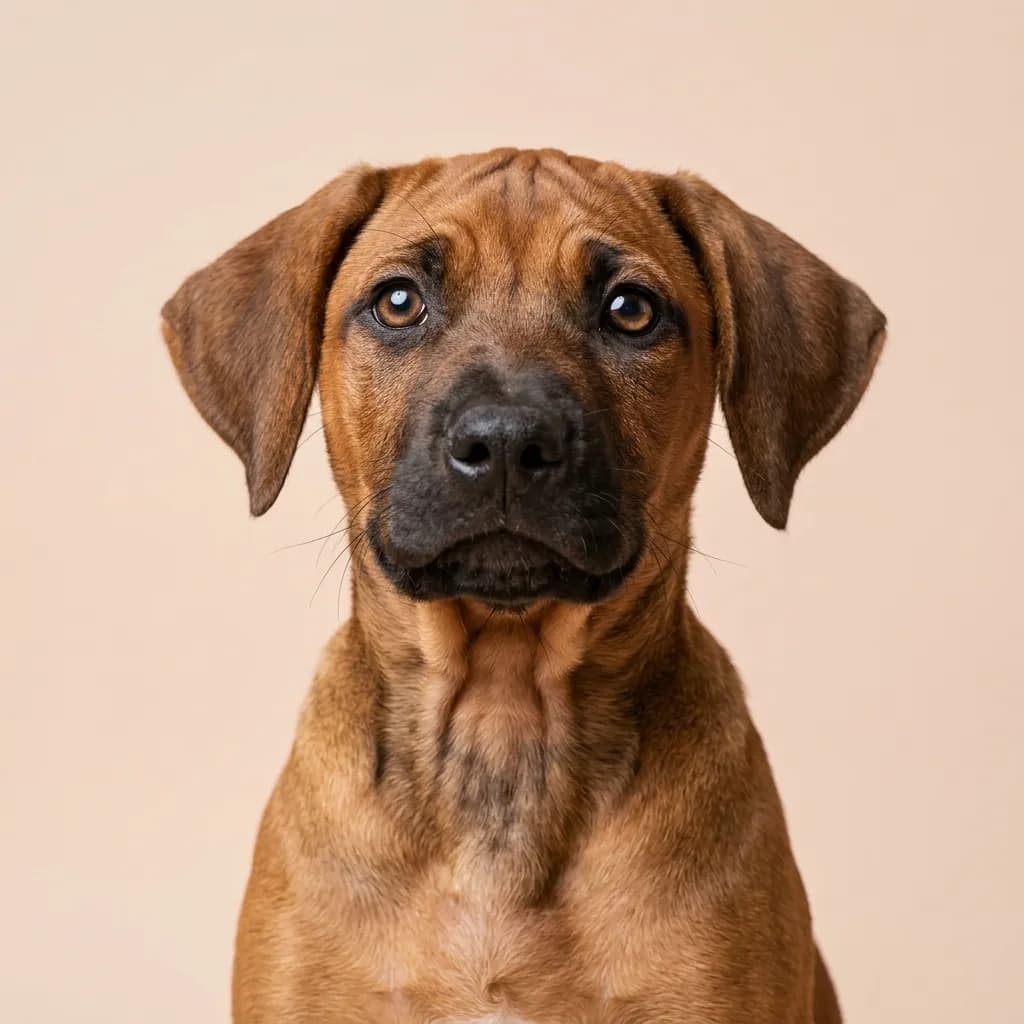
Rhodesian Ridgeback
Hound Group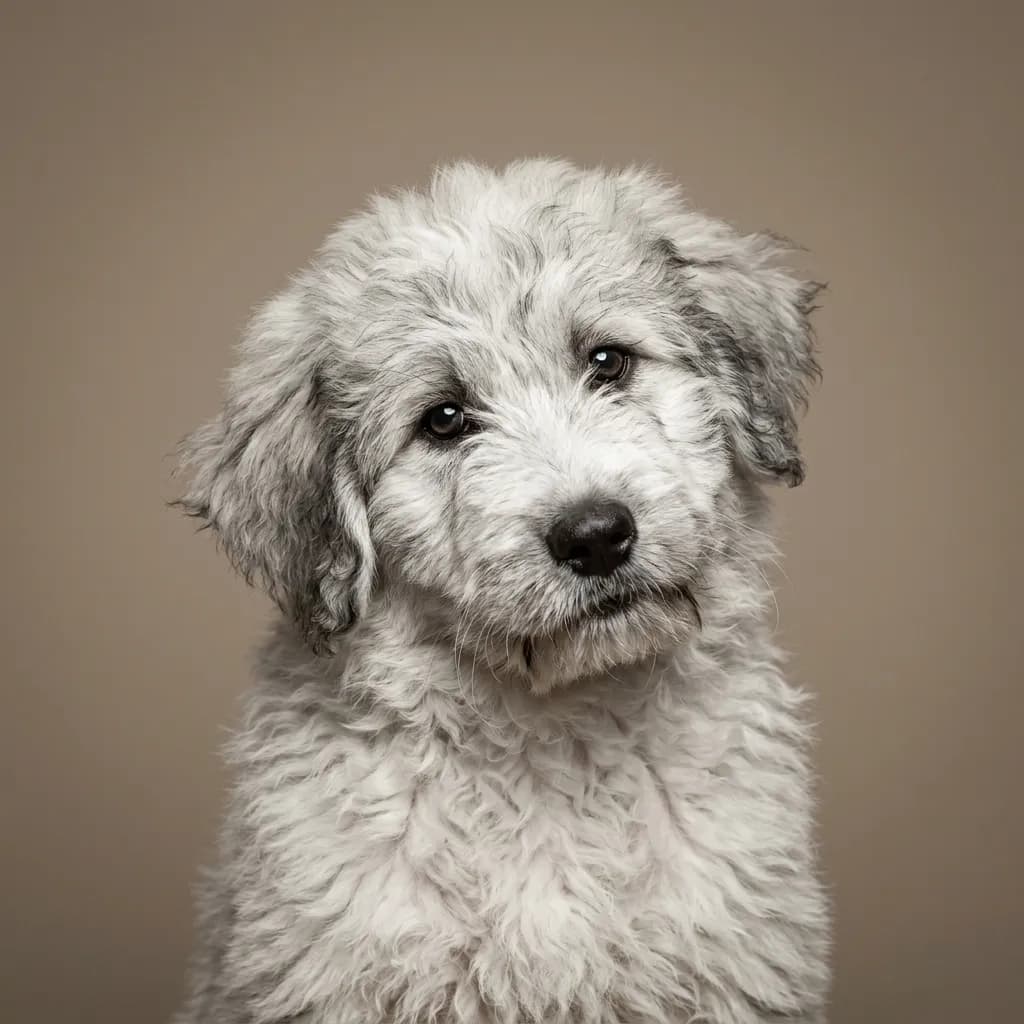
Romanian Mioritic Shepherd Dog
Foundation Stock Service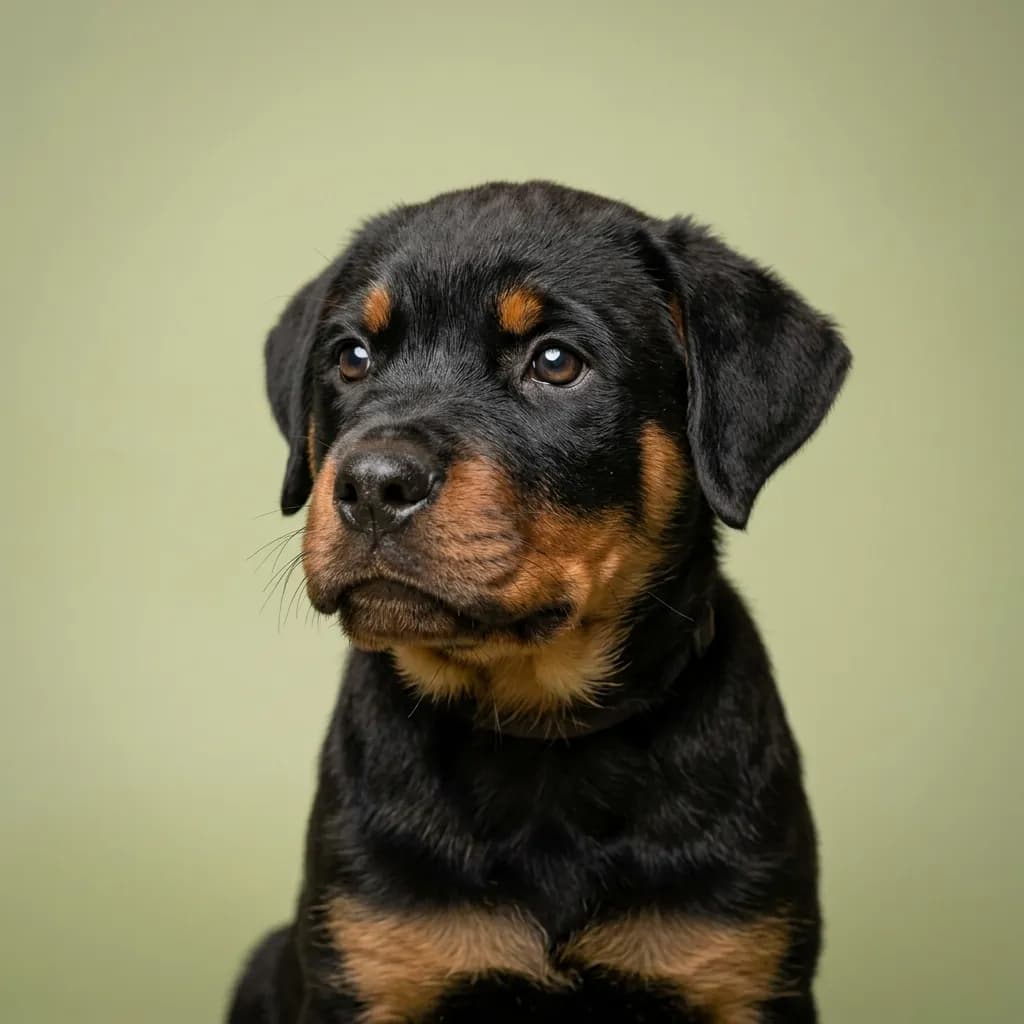
Rottweiler
Working Group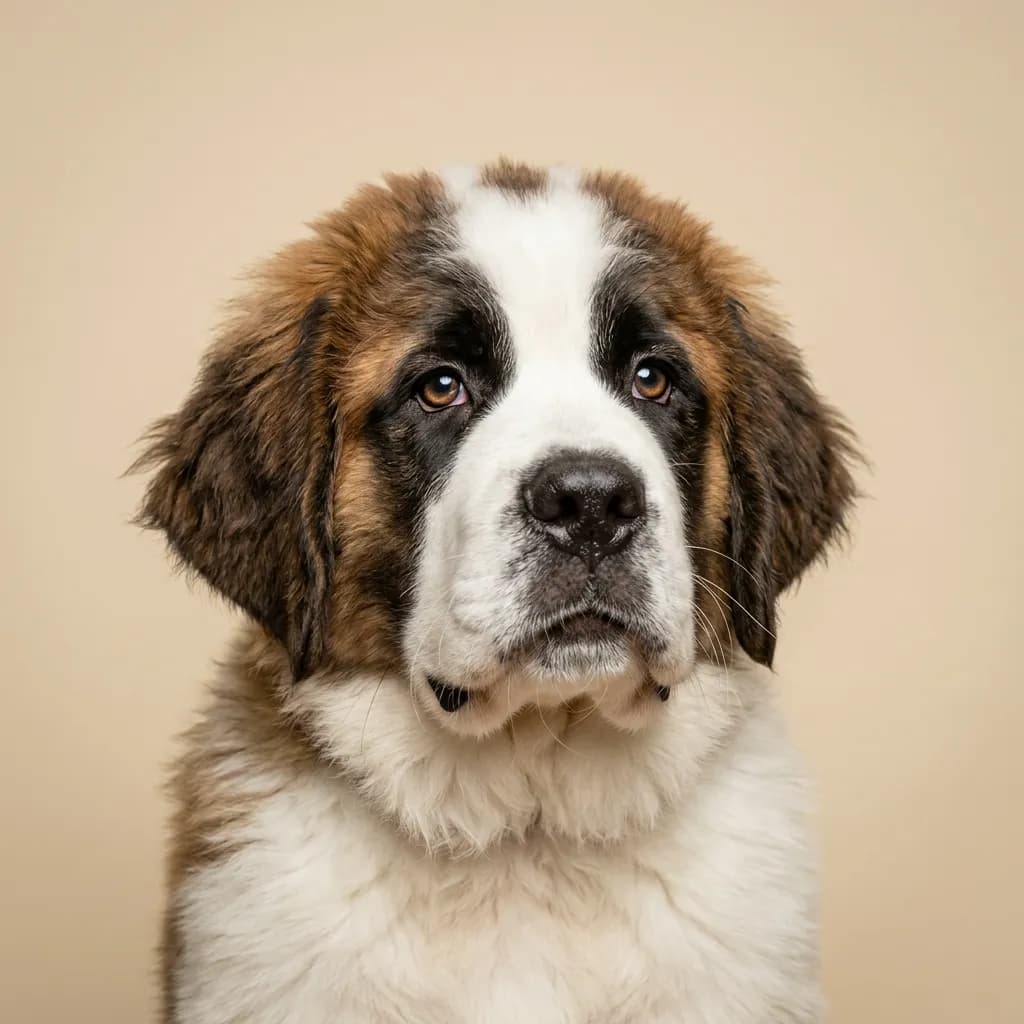
Saint Bernard
Working Group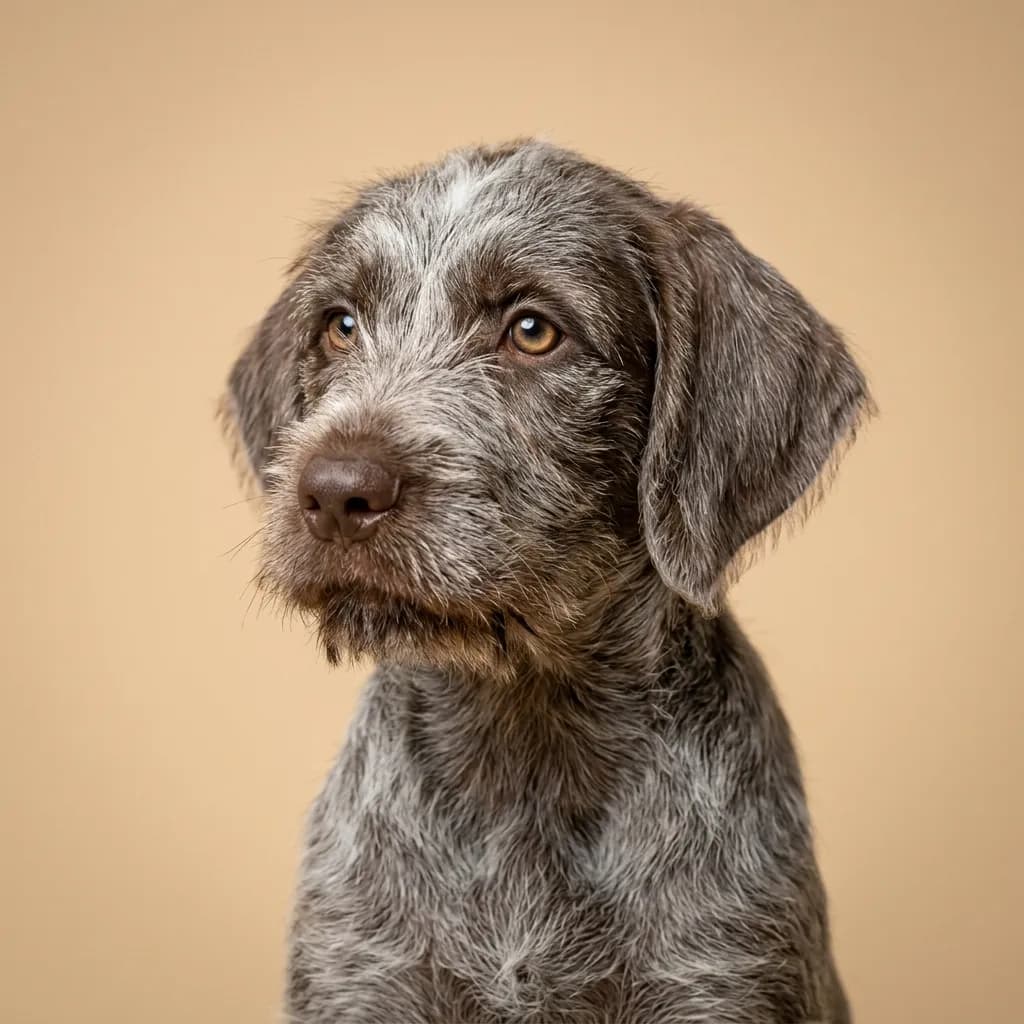
Slovakian Wirehaired Pointer
Foundation Stock Service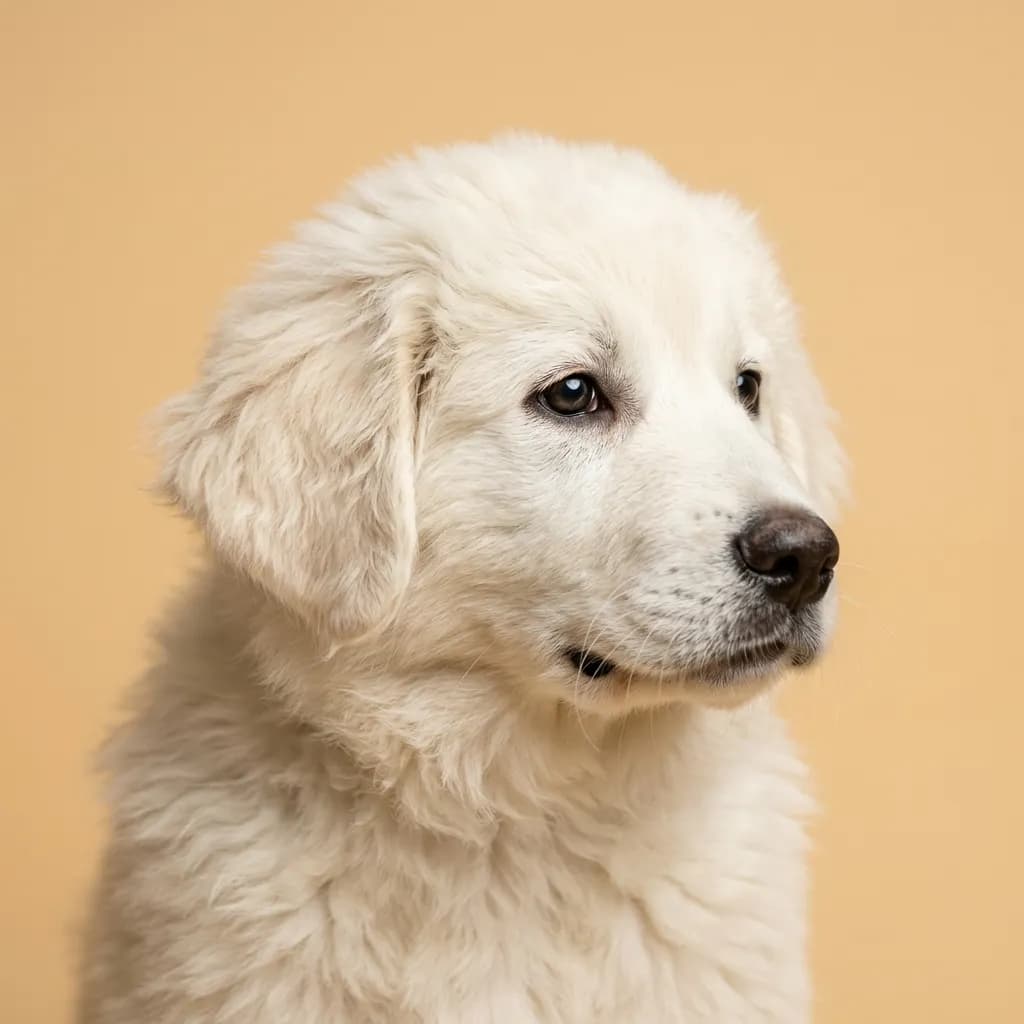
Slovensky Cuvac
Foundation Stock Service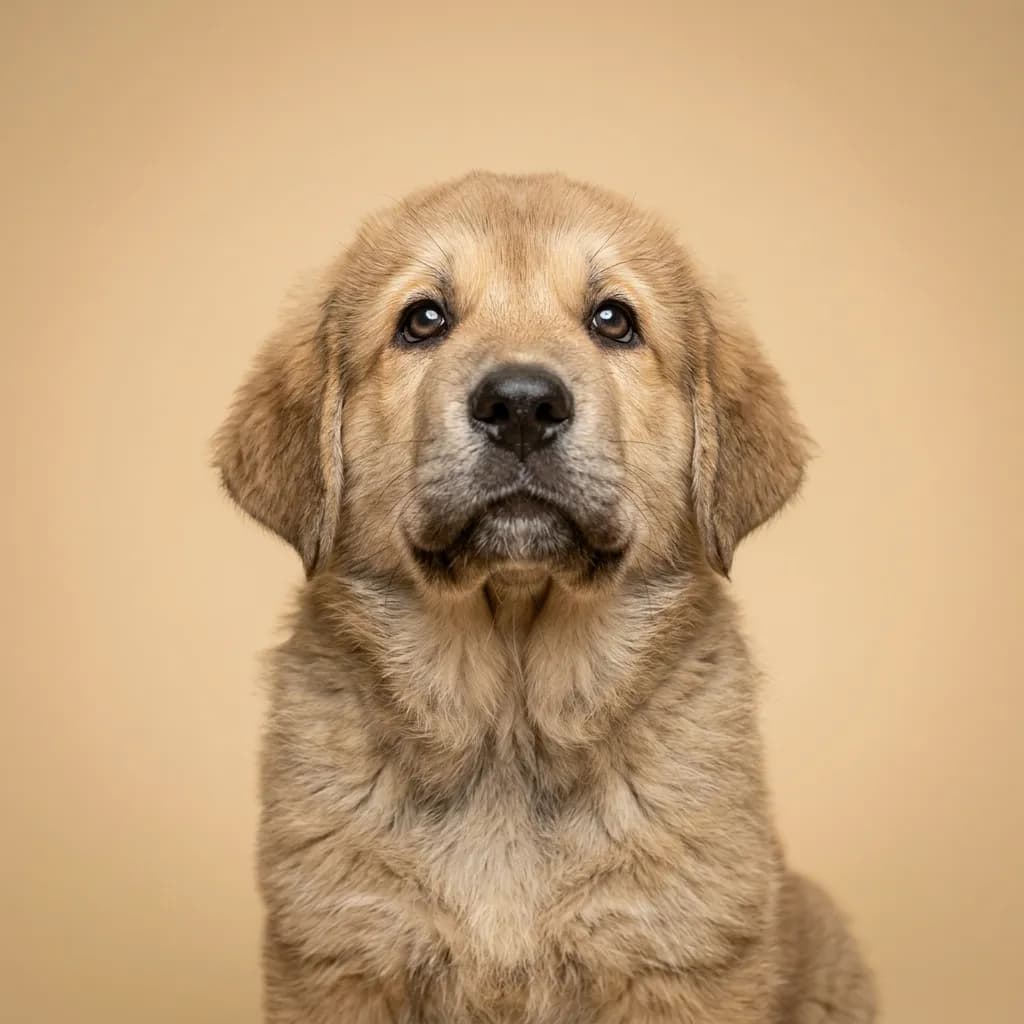
Spanish Mastiff
Foundation Stock Service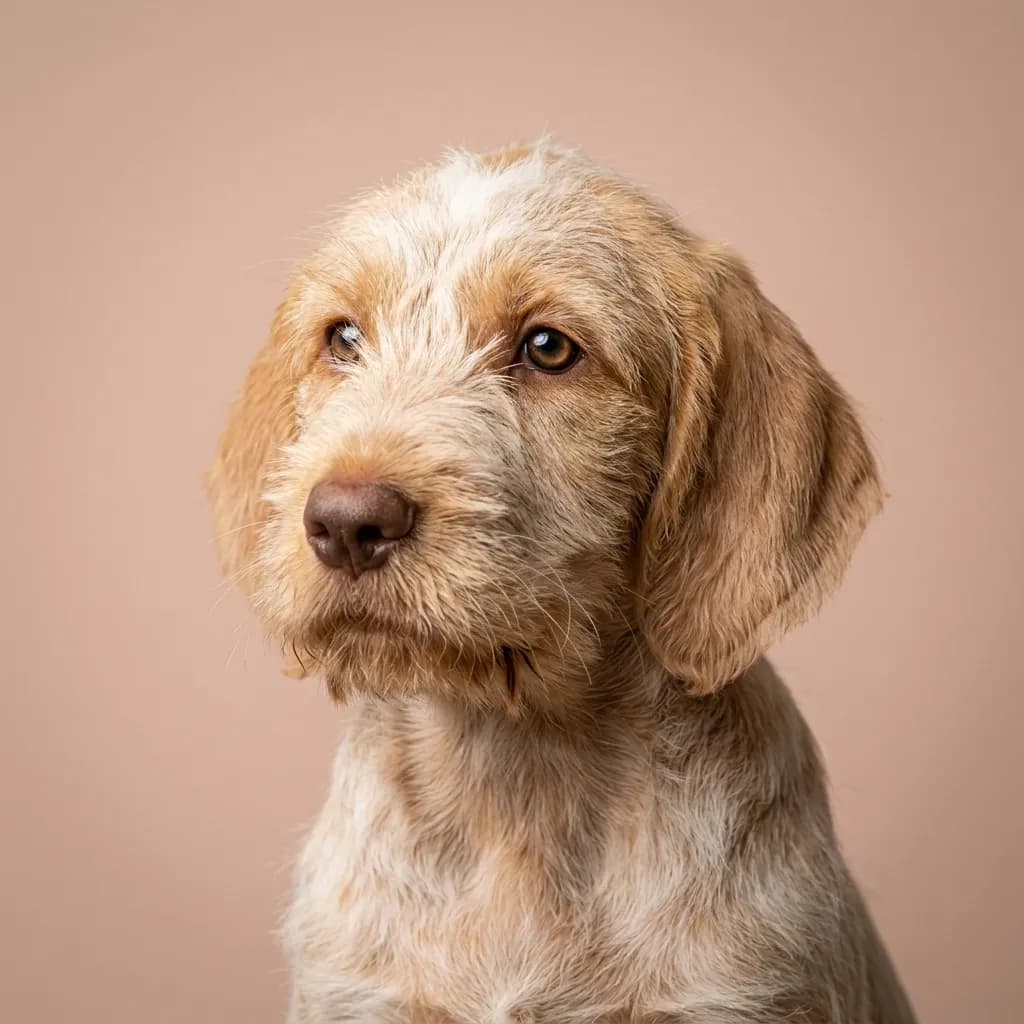
Spinone Italiano
Sporting Group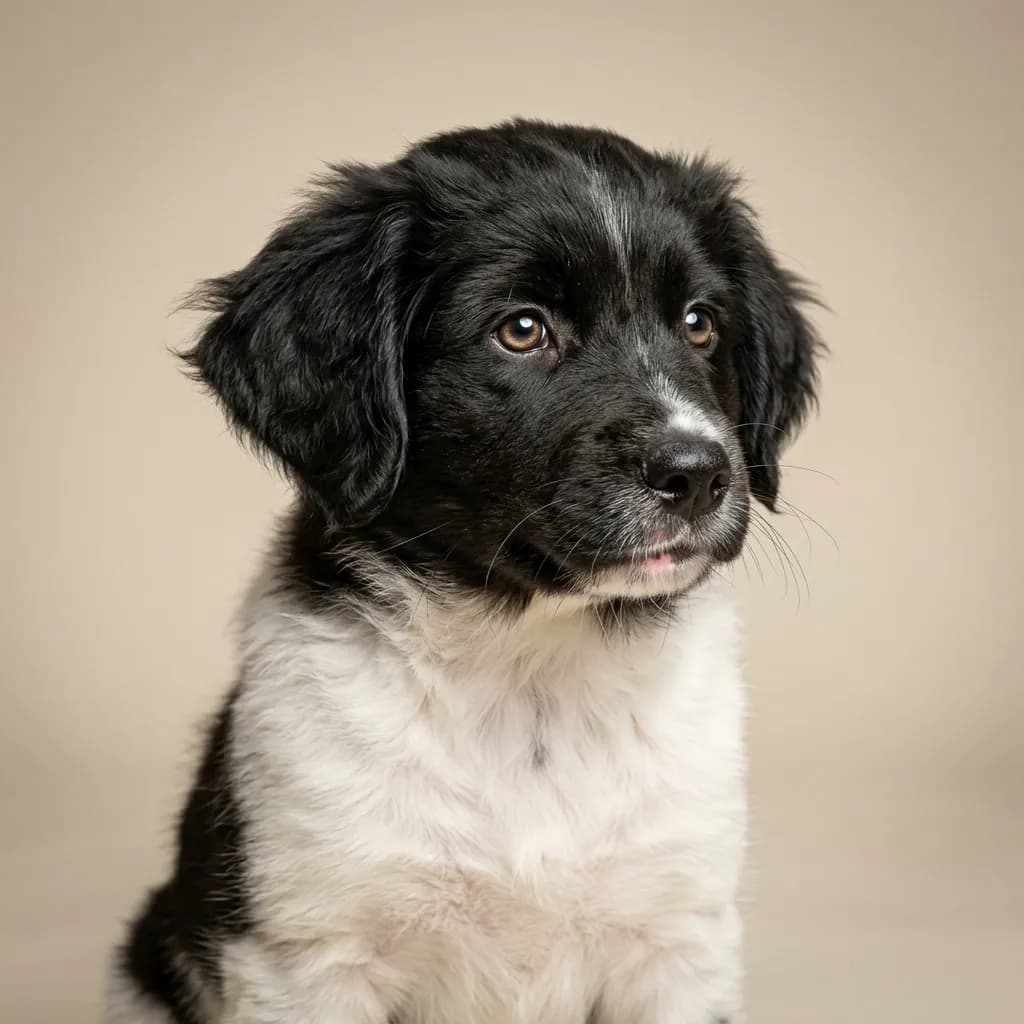
Stabyhoun
Foundation Stock Service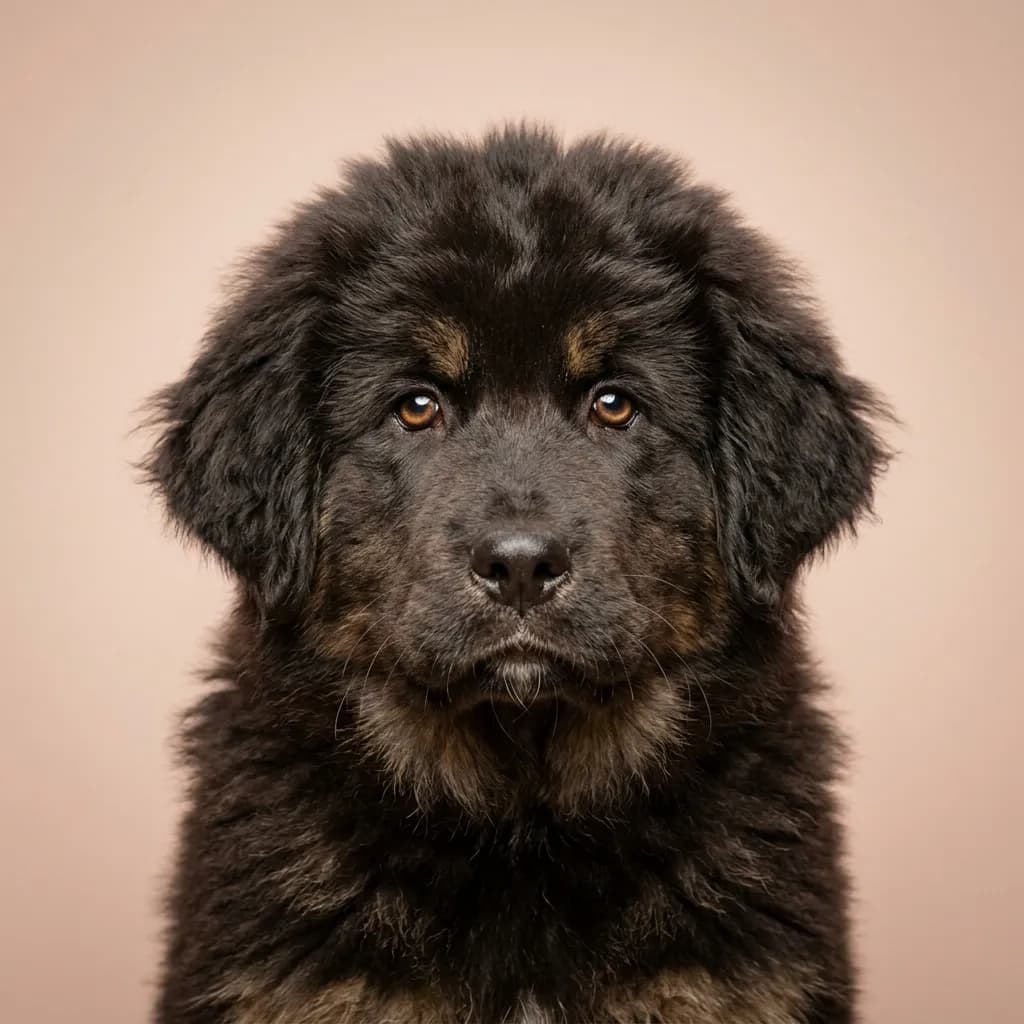
Tibetan Mastiff
Working Group
Tornjak
Foundation Stock Service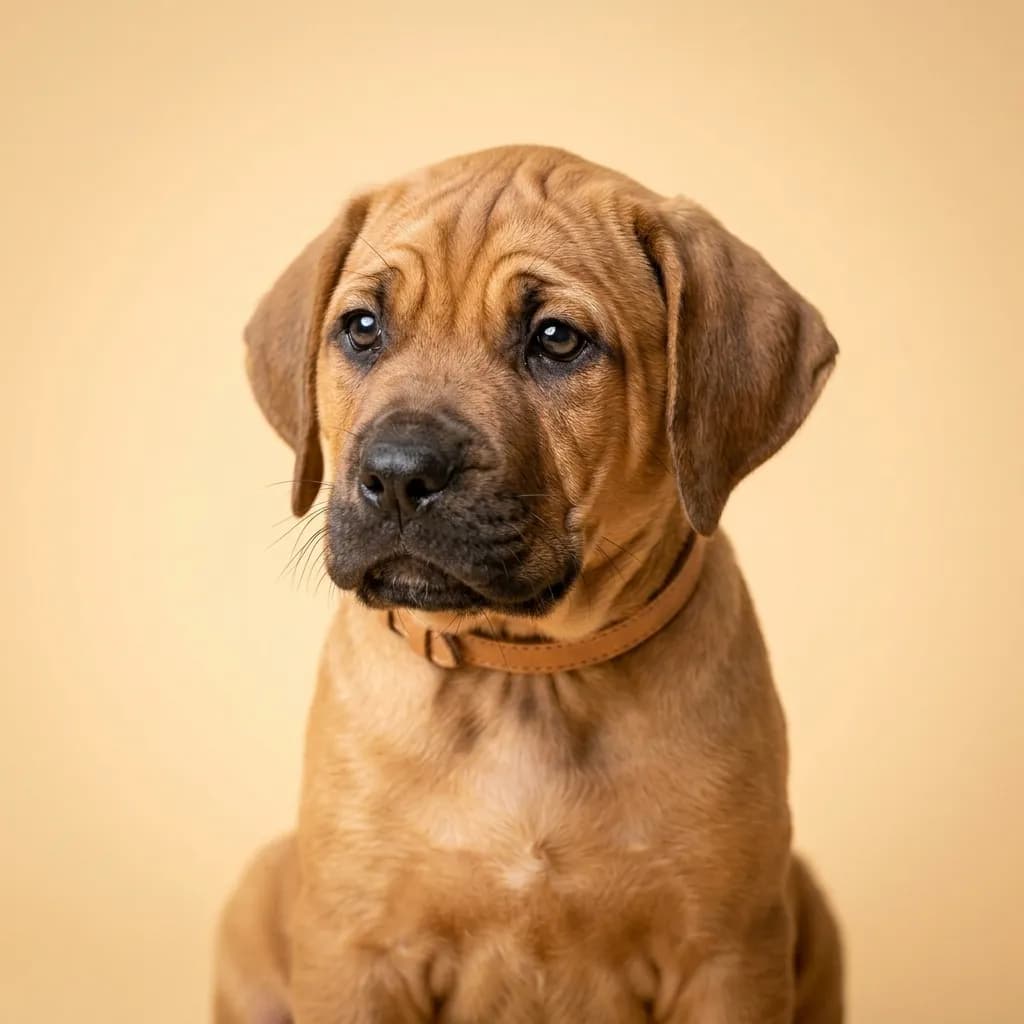
Tosa
Foundation Stock Service