Keeshond vs Samoyed
Side-by-side comparison across all 14 AKC trait ratings, with a clear verdict on which breed fits which kind of household.
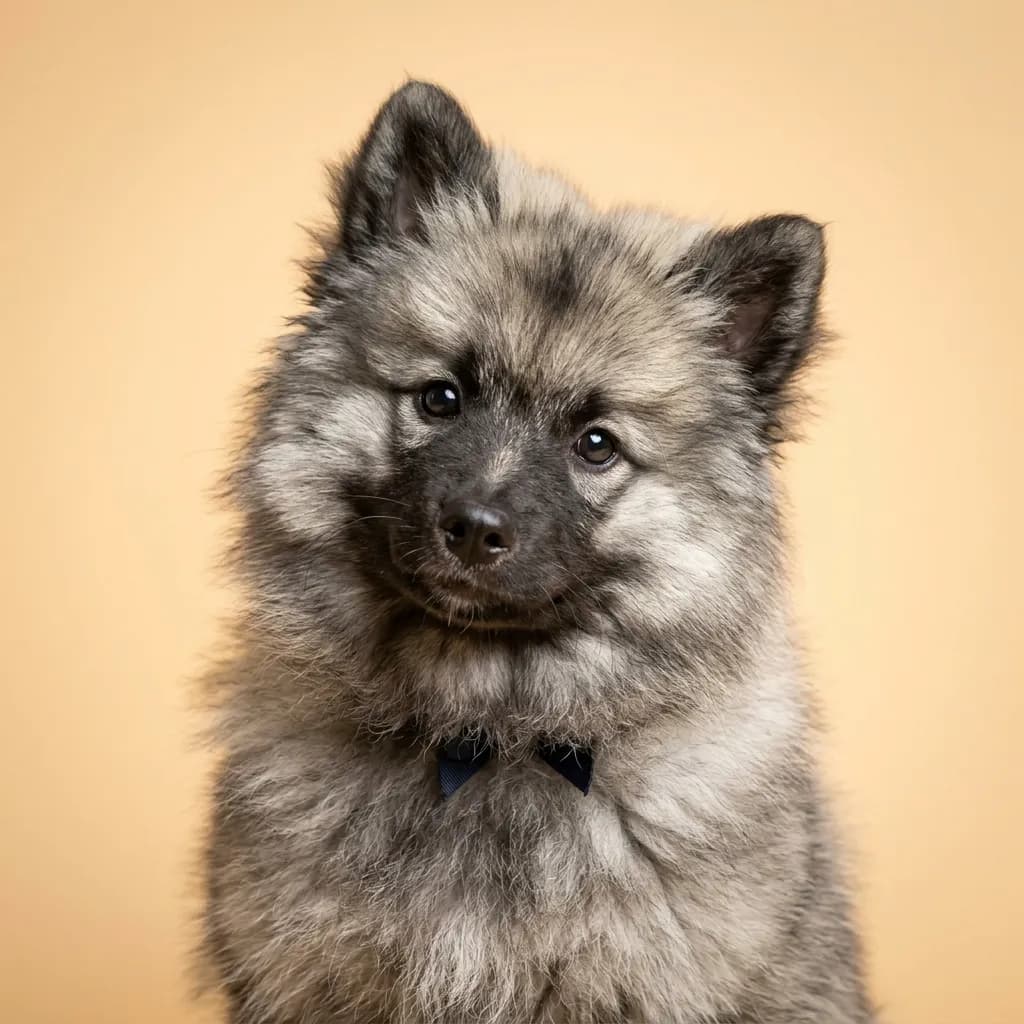
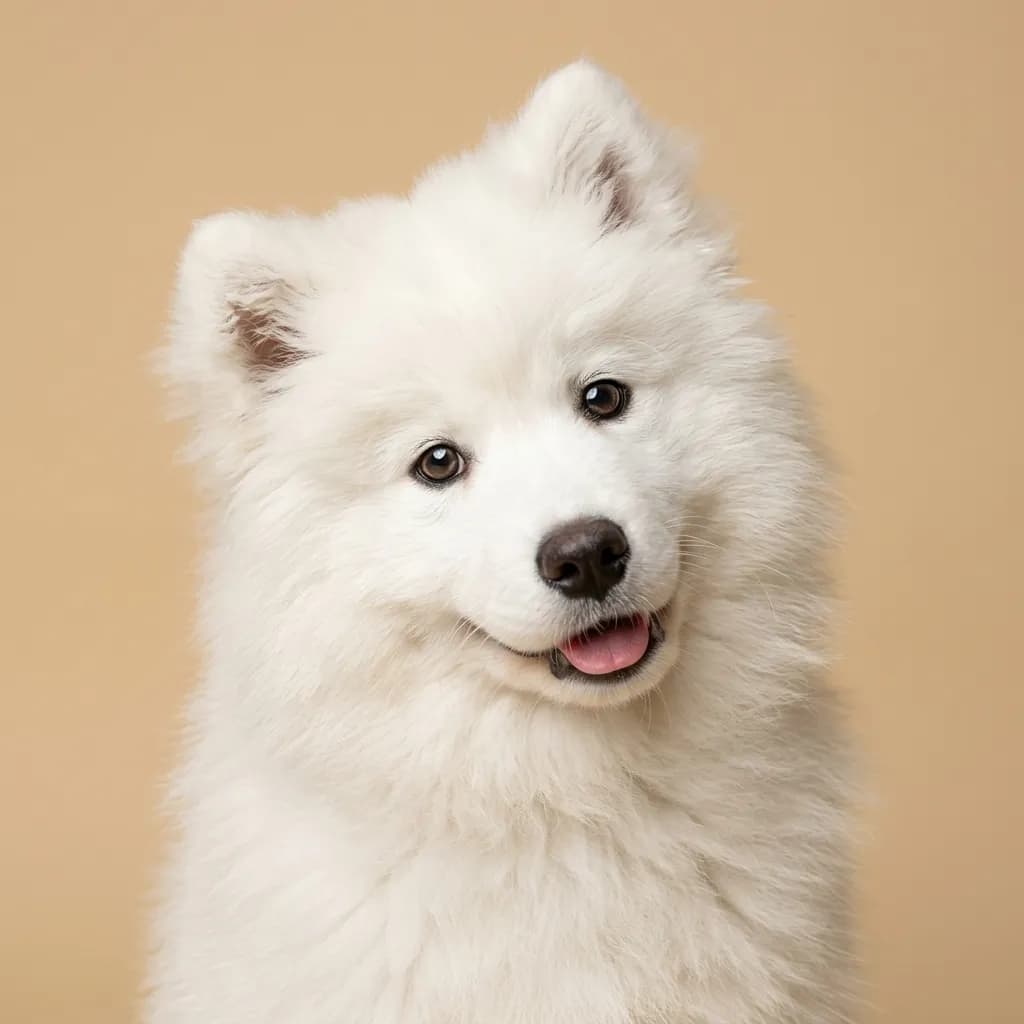
Not sure which breed fits your life?
Answer five questions about your home, your schedule, and your tolerance for shedding. We’ll match you to your top three breeds from over 200.
Keeshond vs Samoyed
You’re probably comparing a Keeshond and a Samoyed because they look like long-lost cousins. plush coats, smiling faces, and that signature “Spitz” fluffball charm. Both are friendly, family-oriented, and built for cold weather, so it’s easy to see why they end up side by side in search results. But living with one versus the other? That’s where the story splits. The Keeshond is your cheerful, chatty neighbor who knows everyone on the block. At 35 to 45 pounds, they’re compact, adaptable, and thrive in apartments or houses alike. They were bred to bark at anything unusual on Dutch barges, so expect a watchdog with opinions. They’re easier to train than most fluff-covered breeds, eager to please, and bond tightly with all family members, kids included. But if you hate barking, this isn’t your dog. The Samoyed is bigger. up to 65 pounds. and bred for endurance in Arctic winters. They’re equally affectionate, but their energy is more physical, their presence more demanding. They’ll pull you into adventures, literally. Their bark isn’t just frequent, it’s persuasive. And while both breeds shed seasonally, the Samoyed’s coat is legendary. grooming isn’t maintenance, it’s a weekly commitment. Price is another reality check. Samoyeds often cost twice as much, partly due to health testing needs and breeder demand. Here’s the insight no chart tells you: both breeds suffer from genetic kidney issues, but Samoyeds have a rare, fatal one (hereditary glomerulopathy) with no cure. It’s rare, but devastating. Responsible breeders test for it. ask for proof. Choose the Keeshond if you want a loyal, vocal companion who fits most lifestyles. Pick the Samoyed if you’ve got space, time, and cold weather. and you’re all in on the fluff.
Trait-by-trait
Higher bar = more of that trait. Shedding, barking, drooling, grooming flipped for readability.Where they diverge
Choose the Keeshond if…
- Families with children
- Active owners
- Cold climates
- You value good with other dogs — Keeshond scores noticeably higher.
Choose the Samoyed if…
- Active families
- Cold climate households
- Dog sports enthusiasts
- You value barking level — Samoyed scores higher here.