Otterhound vs Slovensky Cuvac
Side-by-side comparison across all 14 AKC trait ratings, with a clear verdict on which breed fits which kind of household.
Not sure which breed fits your life?
Answer five questions about your home, your schedule, and your tolerance for shedding. We’ll match you to your top three breeds from over 200.
Otterhound vs Slovensky Cuvac
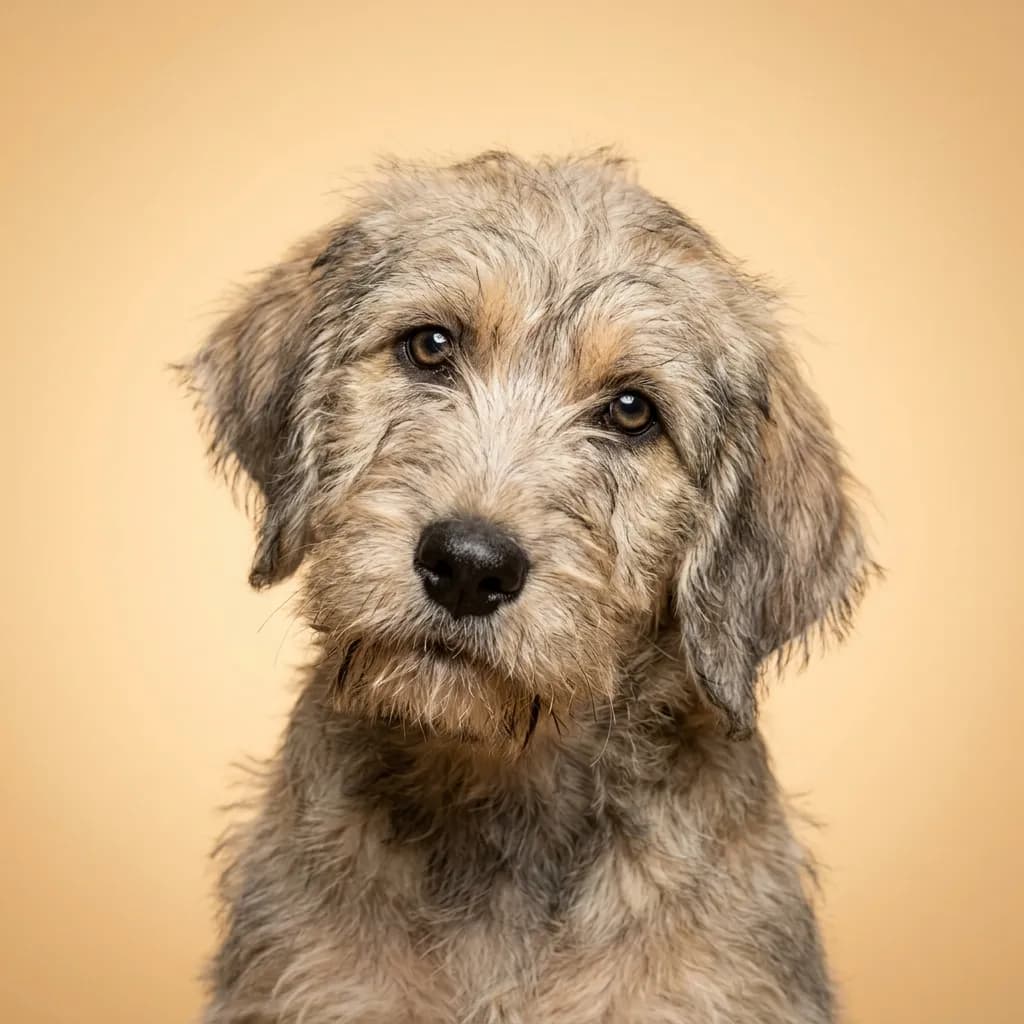
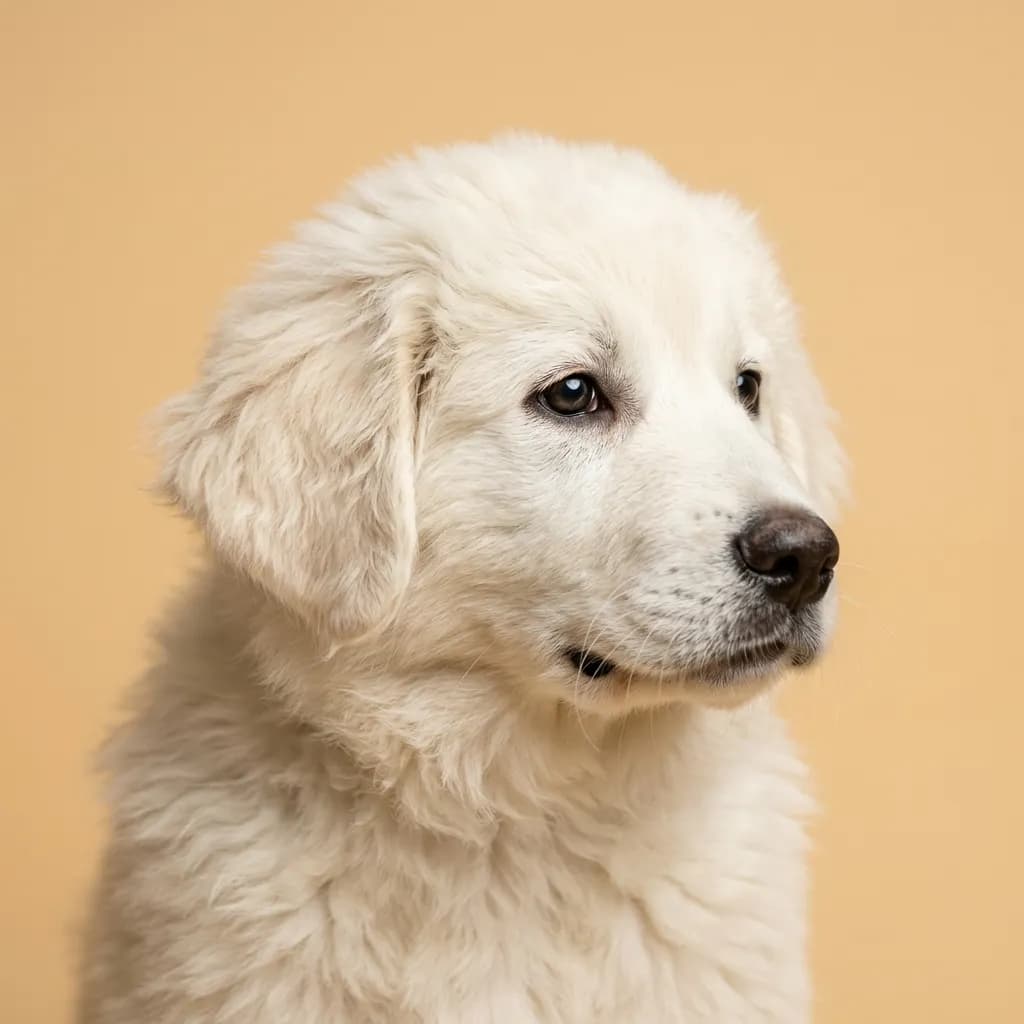
People compare Otterhounds and Slovensky Cuvacs because they’re both big, rare dogs with thick coats and strong working instincts. on paper, they look like outliers in a world of Labradoodles and Frenchies. But in real life, they couldn’t be more different. One’s a slobbery, baying, water-loving goofball from England; the other’s a dignified, quiet, all-white mountain guardian from Slovakia who’d sooner stand sentry in a blizzard than splash in your pool. If you’re drawn to the Otterhound, you probably love hounds and don’t mind chaos. This dog will drool on your guests, bark at passing squirrels like it’s his job, and drag you into rivers just for fun. He’s affectionate and goofy, great with older kids, and surprisingly trainable for a hound. but don’t expect recall off-leash. He’s hardwired to follow a scent, and once he’s on it, you’re irrelevant. Otterhounds thrive with active owners in rural areas who value character over cleanliness. The Slovensky Cuvac is the opposite. He’s bred to work alone, guarding flocks in harsh terrain, so he’s independent and reserved. He won’t bark much, but he’s deeply loyal and alert, making him a natural watchdog. His thick white coat sheds heavily and needs regular grooming, and he does poorly in hot climates. He’s not a cuddler in the same way. affectionate, yes, but on his terms. He needs space, cold weather, and an owner who understands guardian breeds. Here’s the real talk: the Otterhound will steal your heart with his loud, messy charm. The Cuvac will earn your respect through quiet vigilance. Pick the Otterhound if you want a companion. Pick the Cuvac if you need a protector.
Trait-by-trait
Higher bar = more of that trait. Shedding, barking, drooling, grooming flipped for readability.Where they diverge
Choose the Otterhound if…
- Active families
- Rural settings
- Outdoor and swimming enthusiasts
- You value barking level — Otterhound scores noticeably higher.
Choose the Slovensky Cuvac if…
- experienced large-breed owners
- farms and large properties
- cold climates
- You value shedding level — Slovensky Cuvac scores higher here.