Samoyed vs Slovensky Cuvac
Side-by-side comparison across all 14 AKC trait ratings, with a clear verdict on which breed fits which kind of household.
Not sure which breed fits your life?
Answer five questions about your home, your schedule, and your tolerance for shedding. We’ll match you to your top three breeds from over 200.
Samoyed vs Slovensky Cuvac
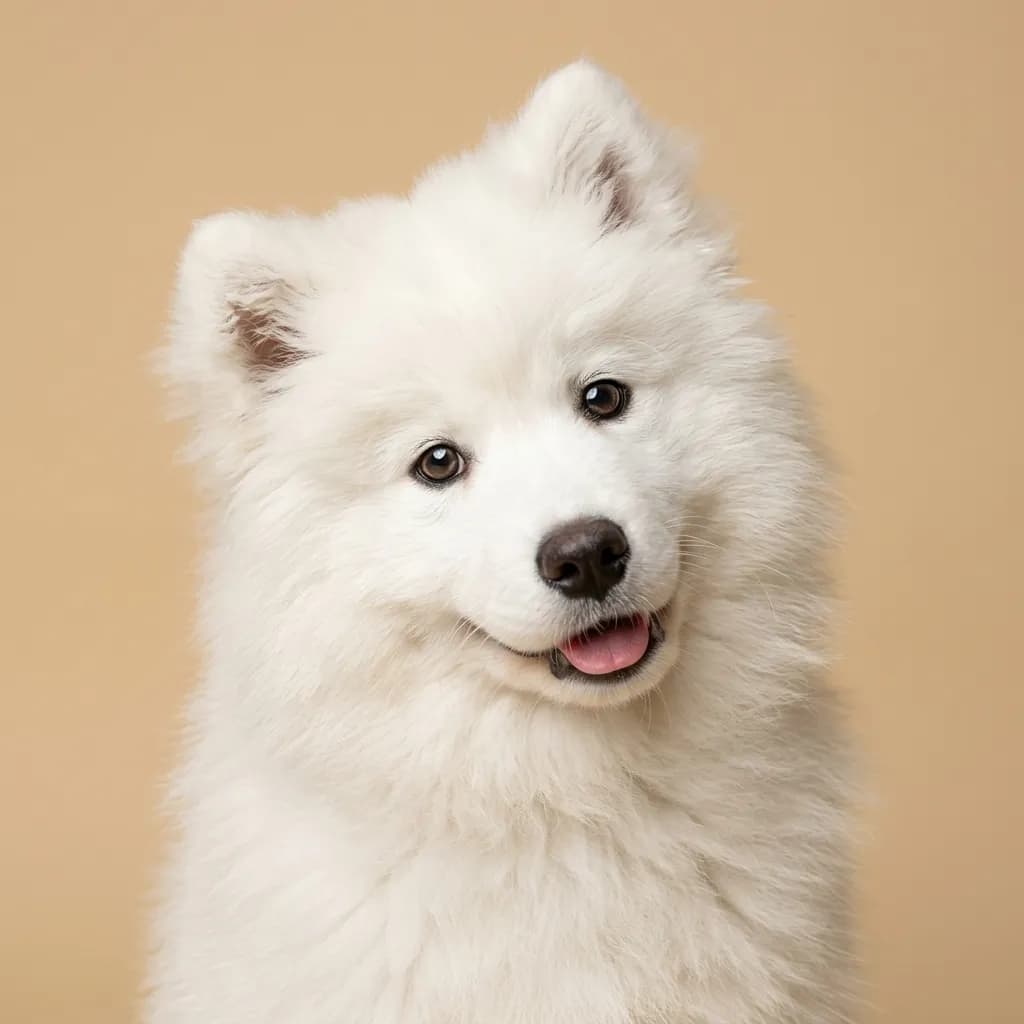
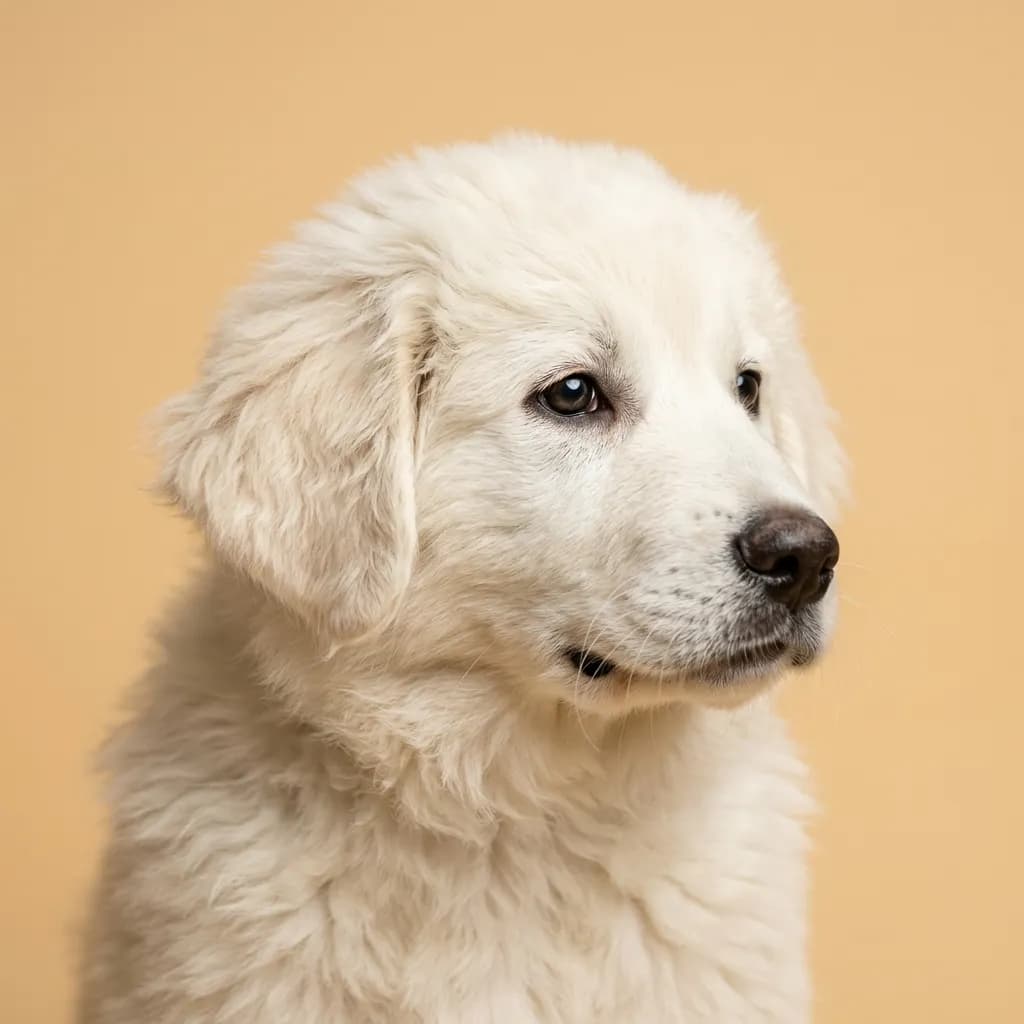
You don’t see a lot of people trying to choose between a Samoyed and a Slovensky Cuvac. But if you’re drawn to big, white, fluffy dogs that look like they belong in snow-covered landscapes, it makes sense on the surface. One is a smiling cloud of friendliness; the other is a silent fortress in fur. That contrast is exactly why the choice matters so much. The Samoyed is the social butterfly. Bred to work closely with people in Arctic conditions, this dog wants to be part of everything. It’ll greet your neighbors, bark at the mail truck, and cuddle with your kids for hours. It needs activity and mental stimulation—think sledding, hiking, or dog sports—but it thrives on connection. You’ll spend time brushing that beautiful coat, yes, but you’ll also spend time managing the noise. This dog barks. A lot. Then there’s the Slovensky Cuvac. This isn’t a family comedian. It’s a guardian, bred to patrol mountain flocks alone and make decisions without human input. Calm, reserved, and deeply loyal to its home, it’s not unfriendly—but it won’t hand out kisses freely. It’s less energetic, less vocal, but far less adaptable. You can’t just bring this dog into a suburban home and expect harmony. It needs space, purpose, and experienced handling. Here’s the real insight: the Samoyed wants to join your life. The Cuvac wants to protect it. One is a partner in adventure. The other is a silent sentinel. If you want a dog that feels like family in the emotional, goofy, inclusive sense, go Samoyed. If you’re on a farm or rural property and need a natural watchful presence, the Cuvac could be a rare gem. But don’t get one just because it’s white and bold. This dog isn’t a pet. It’s a responsibility.
Trait-by-trait
Higher bar = more of that trait. Shedding, barking, drooling, grooming flipped for readability.Where they diverge
Choose the Samoyed if…
- Active families
- Cold climate households
- Dog sports enthusiasts
- You value barking level — Samoyed scores noticeably higher.
Choose the Slovensky Cuvac if…
- experienced large-breed owners
- farms and large properties
- cold climates
- You value drooling level — Slovensky Cuvac scores higher here.