Clicker Training
How it works, which breeds respond best, and how to get started.
Clicker training isn’t magic, but it might as well be. It works on everything from a hyper Border Collie who can’t sit still to a stubborn Basset Hound who acts like he doesn’t care (he does). The clicker cuts through confusion. It tells your dog, in an instant, that’s exactly what you wanted. No guessing, no frustration. Just clarity. If your dog seems slow to learn or you’re tired of repeating commands, this is worth trying. And no, you don’t need a PhD in animal behavior to make it work.
What Clicker Training Is
Clicker training uses a small plastic device—about the size of a bottle cap with a metal strip inside—that makes a sharp, consistent “click” when pressed. That sound marks the precise moment your dog does something right. The click itself isn’t the reward. It’s a promise: I saw what you did, and a treat is coming. The treat, toy, or other reward follows within a second or two.
This method is based on operant conditioning, specifically positive reinforcement with a conditioned reinforcer. The click starts as a neutral sound. But through repetition, your dog learns to associate it with something good. It becomes a bridge between behavior and reward.
You might wonder why not just say “good dog” instead. Fair question. But the click is faster, more consistent, and stands out from everyday noise. Your dog hears “good dog” all the time—sometimes when they’re not even doing anything. The click is unique. It’s always followed by a reward. That precision matters, especially when teaching something subtle like “look at me” or shaping a complex trick like rolling over. A half-second delay in marking the behavior can confuse your dog. The click eliminates that lag.
How to Start: "Loading" the Clicker
Before you teach anything, you’ve got to teach your dog what the click means. This is called “loading” the clicker. It takes five minutes and is non-negotiable. Skip it and you’ll wonder why your dog isn’t responding.
Here’s how: Sit with your dog in a quiet place. Click the clicker—then instantly toss a treat. Not a second later. Click, treat. Wait a beat. Click, treat. Repeat 15 to 20 times. Use tiny, high-value treats—chicken, cheese, hot dog bits. Nothing bland.
You’re not asking for behavior. Just click and deliver. The dog learns: that sound means food is coming. You’ll know it’s working when your dog’s ears perk up at the click, or they turn to you expectantly right after. Some dogs get it in five minutes. Others take two short sessions.
Don’t move on until your dog reacts to the click with anticipation. That’s the foundation. Without it, the click is just noise.
The Three Core Skills
Once your dog knows the click means a treat, you can start shaping behavior. There are three main techniques: capturing, luring, and shaping. Use them alone or together.
Capturing means waiting for your dog to do something naturally—like sitting, lying down, or making eye contact—and clicking the moment it happens. It’s perfect for calm behaviors. For example, if your dog lies down on their own, click and treat. Do it enough times and they’ll start offering the behavior more often, hoping for that click. It’s subtle but powerful. No pressure, no pulling. Just rewarding what they already do.
Luring uses a treat to guide your dog into position. Hold a treat in front of their nose, then slowly move it upward. Their head follows, their butt drops—click the moment their bottom hits the floor. Then give the treat. This is how most people teach “sit” or “down.” It’s fast and reliable. Just be sure to fade the lure quickly. After a few reps, make the motion without a treat in your hand. Otherwise, your dog will wait for the food signal every time.
Shaping is where clicker training shines. You click for small steps toward a goal. Want to teach “spin”? Click when they turn their head toward their tail. Then only after a quarter turn. Then half. Each click marks progress. You’re not waiting for perfection. You’re building it piece by piece. Shaping takes patience, but it teaches dogs to think. They start offering new behaviors, trying to figure out what gets the click. That’s engagement. That’s learning.
Which Breeds Respond Best
All dogs can learn with a clicker. But some pick it up faster.
Top-tier learners—Border Collies, Poodles, German Shepherds, Golden Retrievers—usually get it in minutes. According to Stanley Coren’s intelligence rankings, these breeds learn a new command in under 15 repetitions. The clicker’s precision matches their speed. They’re not waiting for you to catch up.
Average learners—like Beagles, Bulldogs, or Cocker Spaniels—benefit even more. The clarity helps them cut through confusion. Instead of guessing what “sit” means when they’re already halfway up, they get instant feedback. That builds confidence.
Independent or stubborn breeds—Australian Cattle Dogs, Shiba Inus, Afghan Hounds—can thrive with clicker training because it rewards problem solving. These dogs don’t like being forced. But if they can figure it out and get rewarded, they’ll play the game. Just use high-value rewards. A piece of kibble won’t cut it.
The only real challenge is with dogs who aren’t food-motivated. Some sighthounds, like Greyhounds or Salukis, care more about chasing than eating. For them, swap treats for a ball toss, a tug session, or a chance to run. The click still works—you’re just changing the reward. The principle stays the same.
Common Mistakes
Even experienced trainers mess this up. The most common error? Clicking without treating. If you click, you must deliver a reward. Break that rule once, and your dog starts doubting the system. The click loses its value.
Clicking too late is just as bad. If your dog sits and you click after they’ve already started standing up, you’re marking the stand, not the sit. Precision is the whole point. Practice your timing. Use a metronome app if you have to. Click at the exact moment the behavior happens.
Another mistake: using the clicker like a command. You don’t click to get attention or call your dog. It’s not “click, come here.” It’s “you came here? Click. Treat.” The click follows the behavior, not leads it.
And never treat before clicking. The sequence is non-negotiable: behavior, click, then treat. If you hand over food first, the dog learns the treat causes the click, not the other way around. That breaks the association.
Do You Need a Clicker?
No. A verbal marker like “yes!” or “good!” works fine once your dog understands the system. But a clicker has advantages. It’s always the same sound. No tone shifts. No emotional leaks. It cuts through noise and distraction.
Clickers are most useful when teaching something new, especially if it’s complex or requires split-second timing. Once the behavior is solid, most trainers switch to a verbal marker. “Yes!” becomes the everyday cue. The clicker goes back in the drawer.
Some people use a pen clicker, a bike spoke, or even a tongue click. The tool doesn’t matter as much as the consistency. Pick something distinct and stick with it.
If you’re new to training, start with a clicker. It’s the clearest way to teach your dog what you want. And once they get it, you’ll both wonder how you ever trained without it.
Clicker Training by Learning Speed
Every dog can learn clicker training, but the pace and approach should match how your breed processes information.
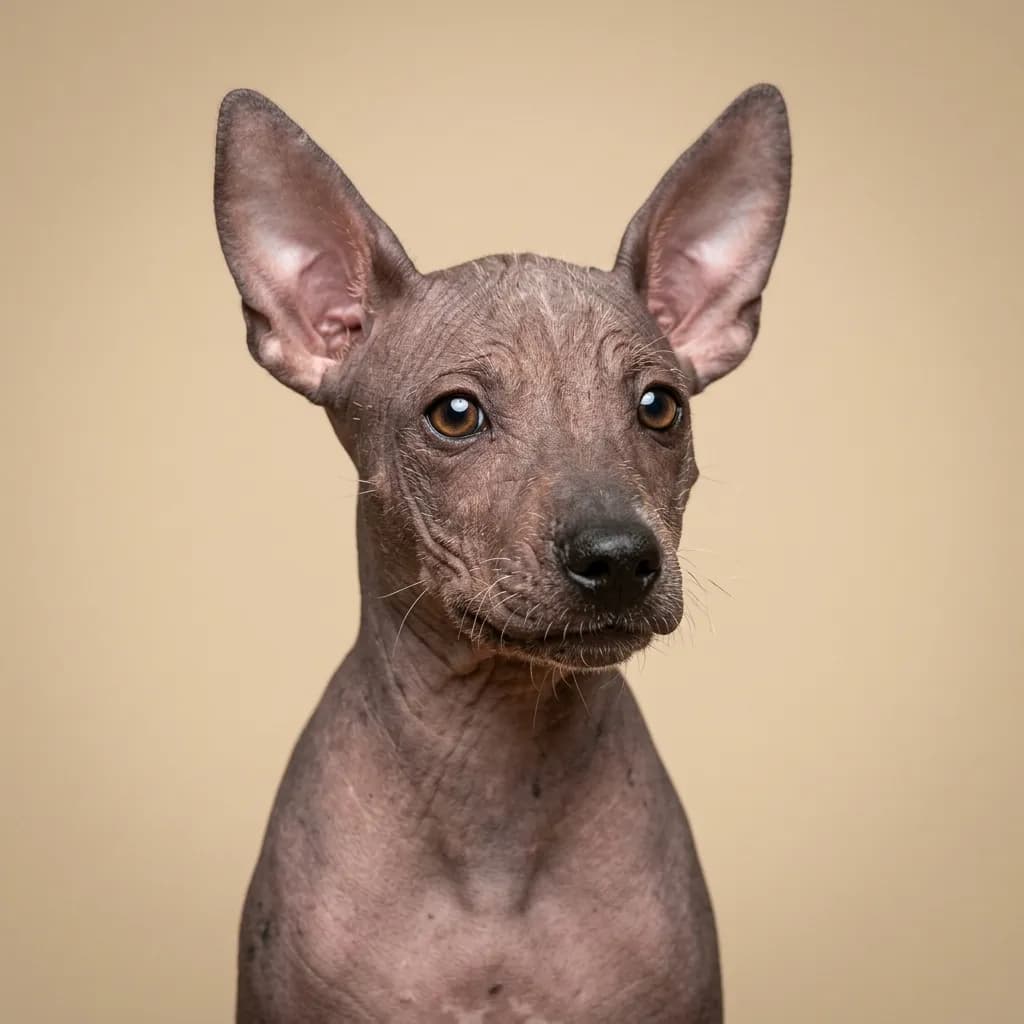
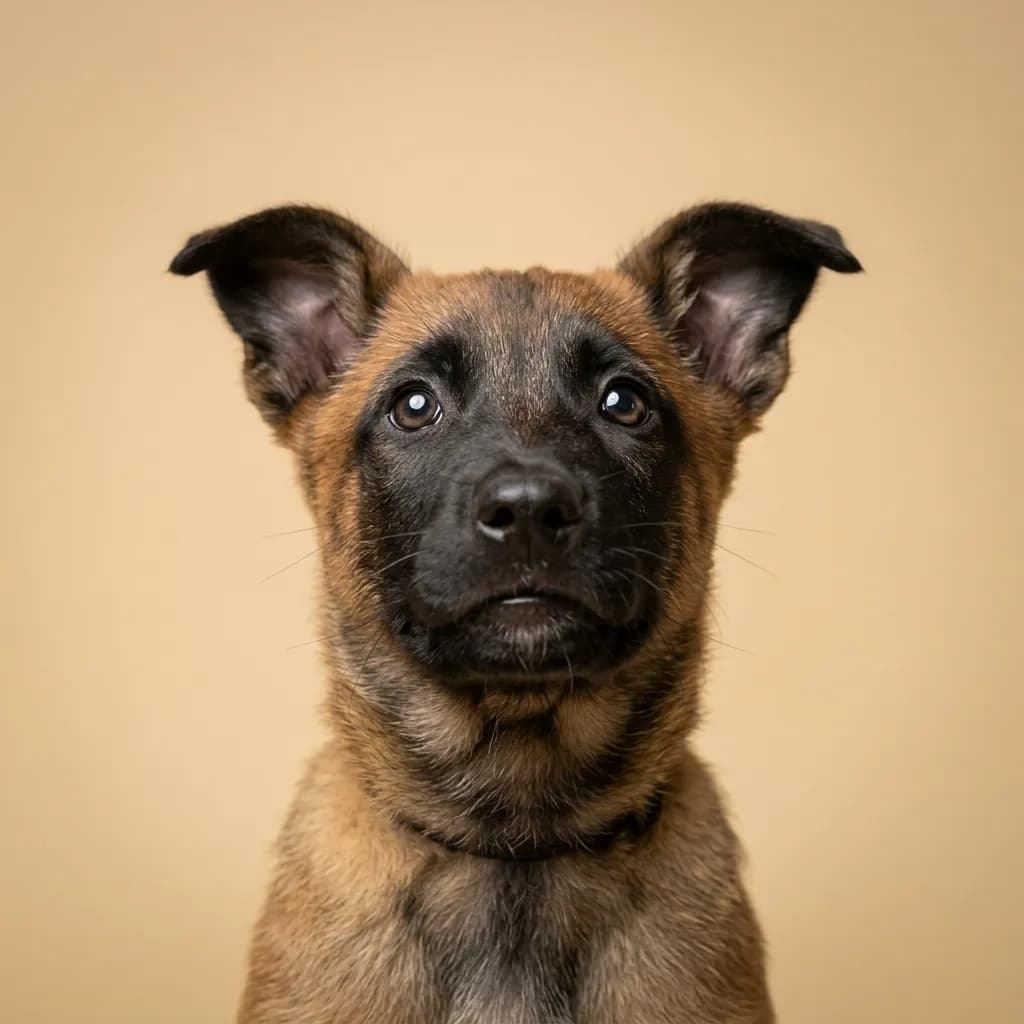
Pick up clicker training almost instantly
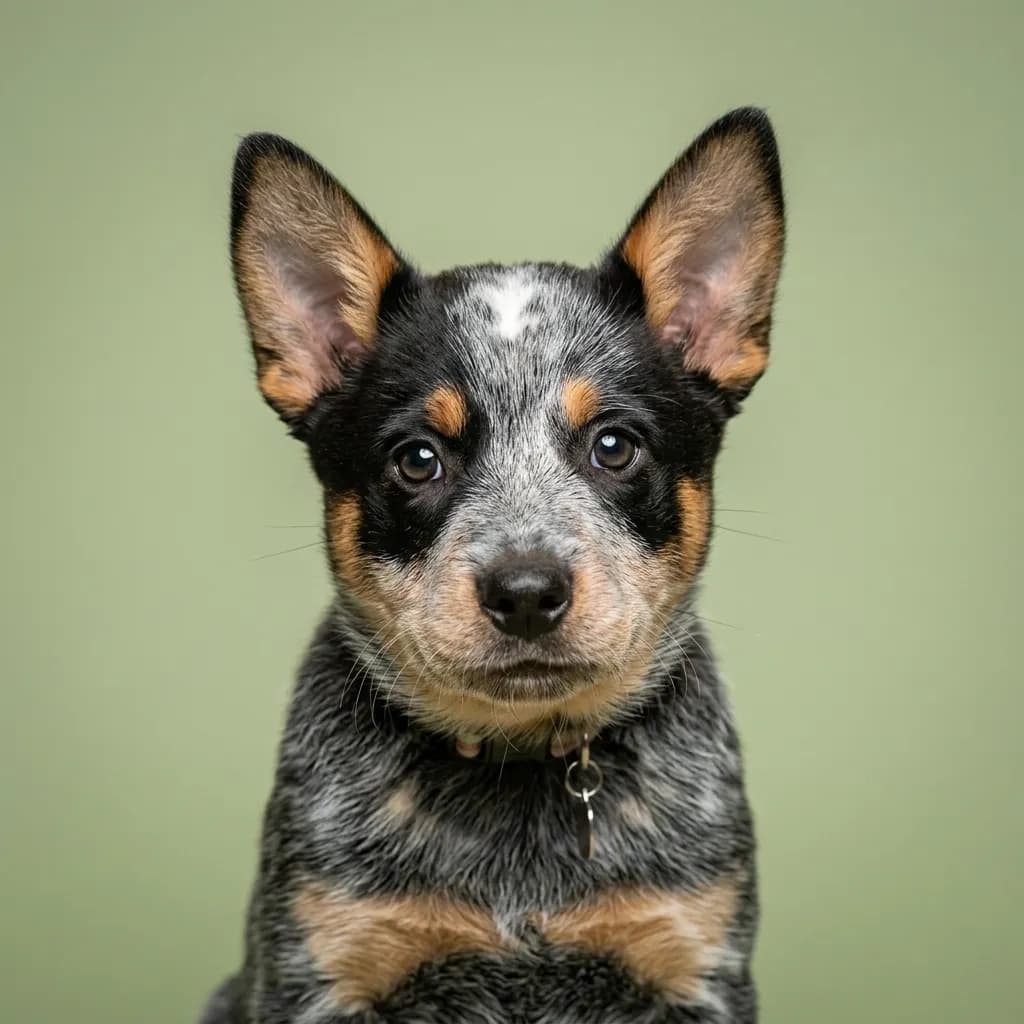

Benefit from the clarity of the click
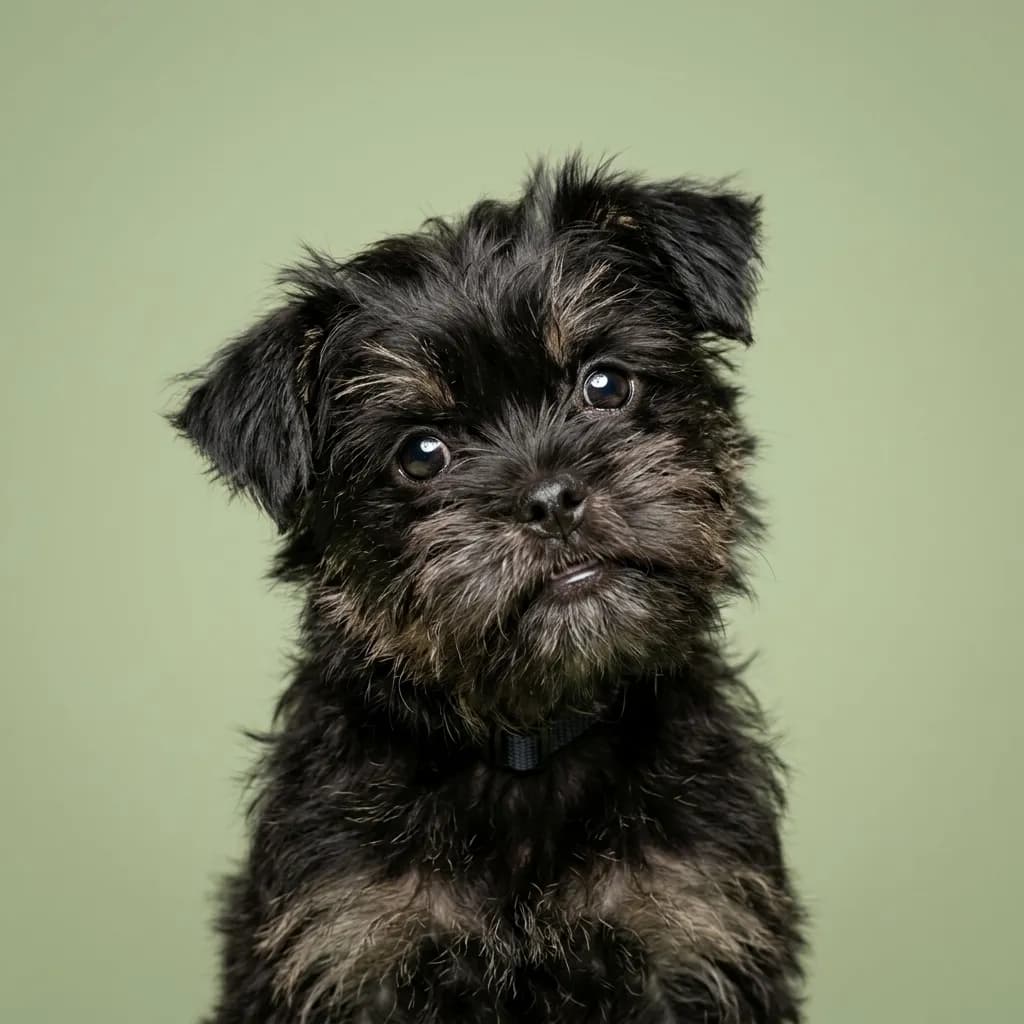

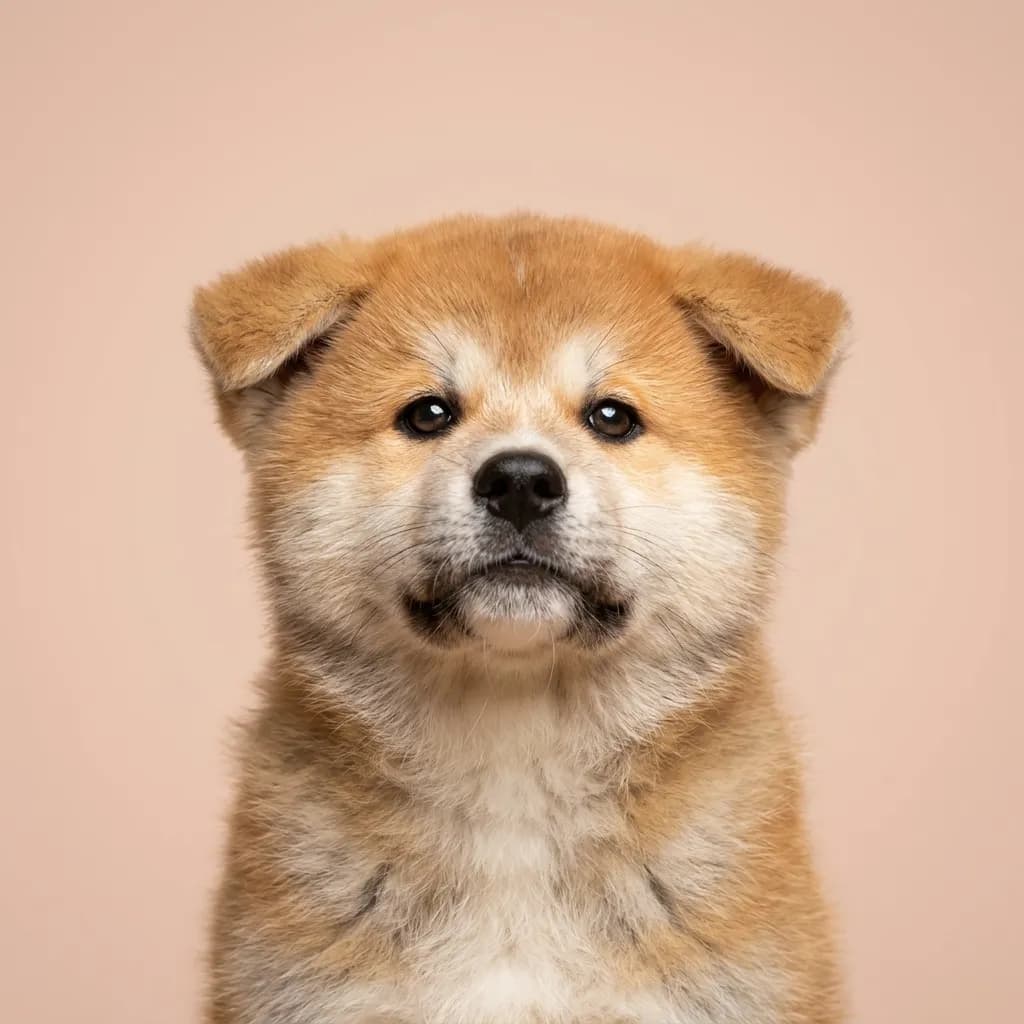
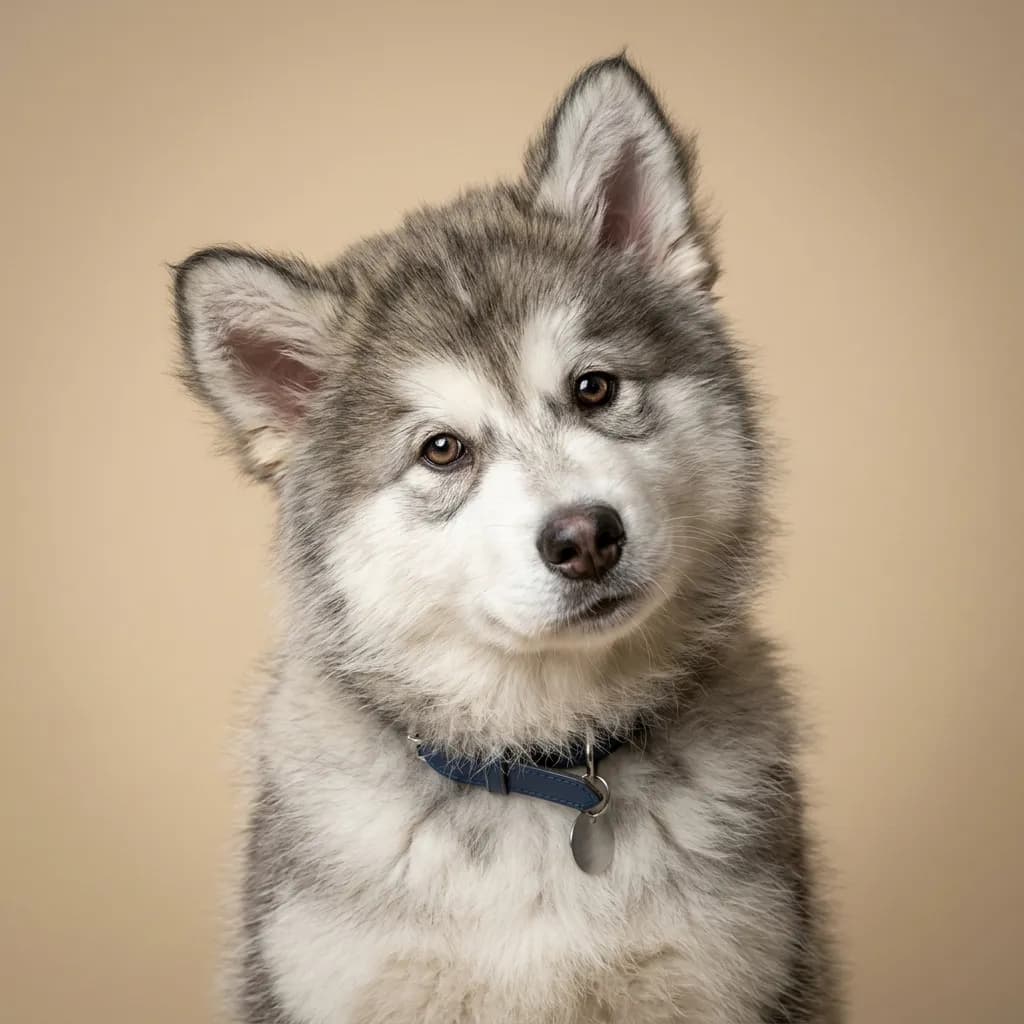
Use high-value treats, short sessions

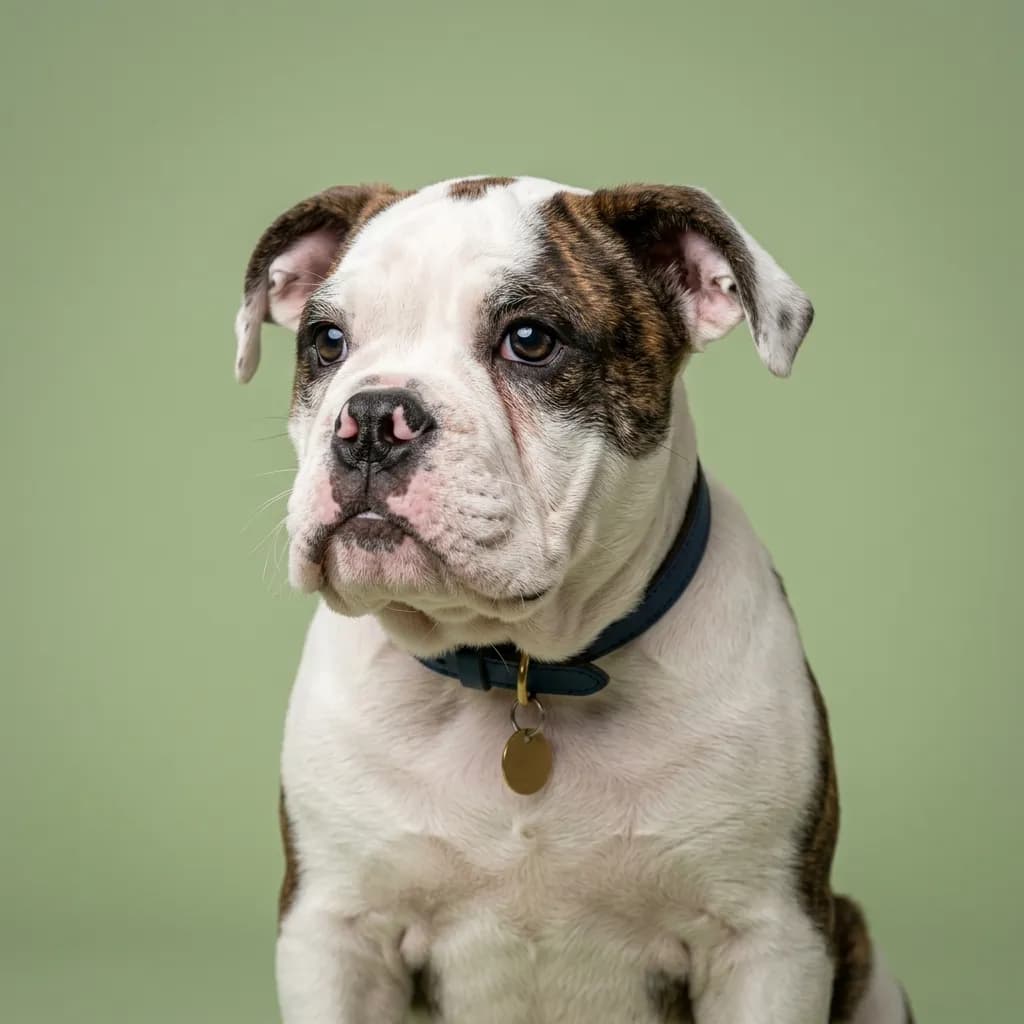


You don’t need more tabs open. You need one trustworthy source.
Tell us your breed and your puppy’s age. We’ll tell you exactly what to focus on this week. One email. One priority. That’s it.
Tell us your breed and your puppy’s age. We’ll send you exactly what to work on this week.